

Be the Referee: Soccer Changes
By
Paige Winne
MHSAA Director of Brand Management
September 22, 2026
Be The Referee is a series of short messages designed to help educate people on the rules of different sports, to help them better understand the art of officiating, and to recruit officials.
Below is this week's segment – Soccer Changes - Listen
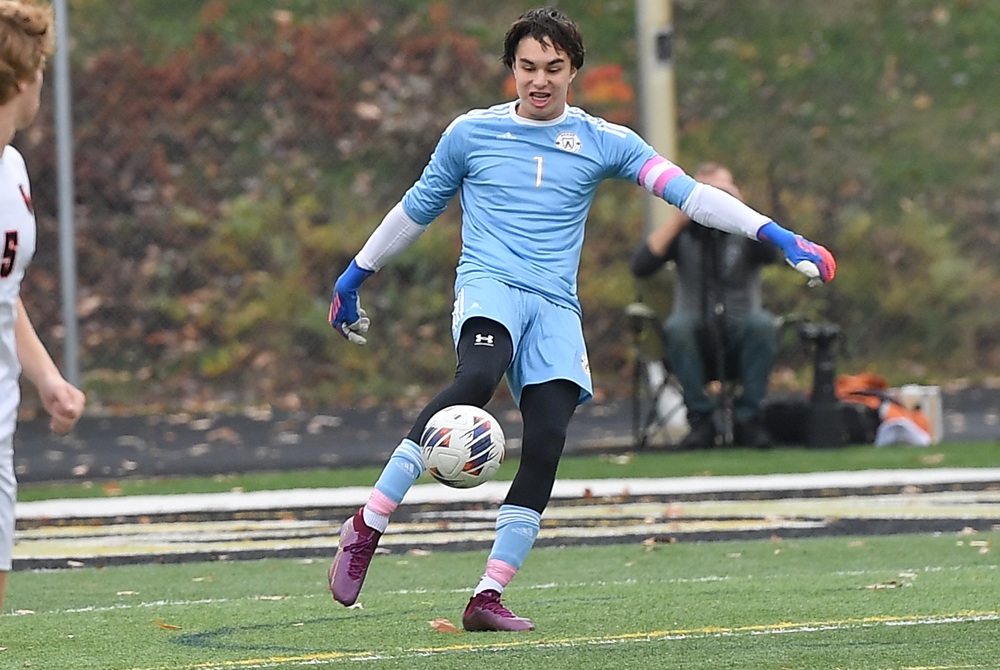
New this year in high school soccer, goalkeepers will have more time available to them before having to release the ball.
Now – once a keeper establishes possession of the ball – they will have eight seconds before having to play the ball. Previously, keepers had six seconds before having to release it.
The penalty for failing to release the ball in time is also changing.
A goalkeeper who is whistled for hanging on to the ball for longer than eight seconds will now see the opponent awarded a corner kick. The old rule awarded an indirect free kick.
So remember – starting this year – keepers get up to eight seconds before having to release the ball, and failure to do so will result in a corner kick for the opposing team.
Previous 2026-27 editions
Sept: 15: Dead Ball Penalty - Listen
Sept. 8: Libero Ejected - Listen
Sept. 1: Soccer Foul After Shot on Goal - Listen
Aug. 25: Fumble Out of Bounds - Listen

Be the Referee: Pass Interference
September 9, 2014
This week, MHSAA assistant director Mark Uyl explains one of the toughest calls to make on the football field.
"Be the Referee" is designed to help educate people on the rules of different sports, to help them better understand the art of officiating and to recruit officials. The segment can be heard on Mondays, Wednesdays and Fridays during the school year on The Drive With Jack Ebling on WVFN-AM, East Lansing.
Below is this week's segment - Pass Interference - Listen
Today we’re going to talk about one of the most difficult calls for any football official – pass interference. It’s important to know that whenever a forward pass is thrown beyond the line of scrimmage that both players – the offensive receiver as well as the defender – each have an equal right to make a play on the football.
Now, not all contact will automatically result in a pass interference foul. The official must judge if that early contact before the ball arrives has placed one of the two players at a distinct disadvantage. When that contact does create the disadvantage, you have a foul for pass interference. When the contact is minimal and is simply incidental, no foul has occurred.
Past editions
Aug. 25 - Targeting - Listen
Sept. 4 - Concussions - Listen