

Highlight Reel: East Lansing's Faymous Tyra
August 29, 2012
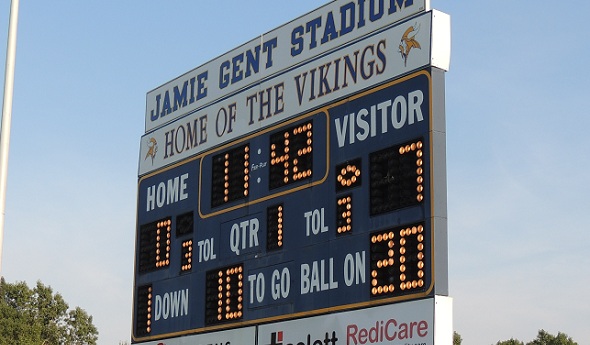
East Lansing's Faymous Tyra helped the Trojans light up the Haslett scoreboard quickly in Friday's season opener by taking the first kickoff of 2012 back to the Vikings' 2-yard line.
See that clip here -- and help us show everyone your favorite highlights from any sport.
Have a highlight or two we all should see? Email the mp4 file to Geoff Kimmerly at [email protected], along with a brief explanation of who is on the clip, when it took place, where and the final score of the contest. We'll produce them and post them on our Second Half "Videos" page. Or point us to a video clip already posted on YouTube, and we'll give a home here as well.
Here's Tyra's kickoff return, which is already making him a little "faymous" around the Greater Lansing area.

Many Schools, Many Sports on MHSAA.tv
October 3, 2012
A total of 39 schools participating in six sports are among offerings from last week available now at MHSAA.tv as part of the School Broadcast Program. Football, volleyball and boys soccer again dominate the listings, but check out as well 2012-13 debuts for girls swimming and diving, girls golf and boys tennis.
See those below, plus links to the MHSAA Football Friday Overtime on Fox Sports Detroit and the Comcast/Xfinity game shot last week -- Rockford vs. Holland West Ottawa.
MHSAA.tv: Click on the "Schools" tab on MHSAA.tv to find these games:
- Grand Rapids Northview vs. Greenville football
- Vicksburg vs. Plainwell football
- Ada Forest Hills Eastern vs. Cedar Springs football
- Marcellus vs. Watervliet football
- Rogers City vs. Hillman football
- Iron River West Iron County vs. Calumet football
- Oscoda vs. Lincoln Alcona football
- Ellsworth vs. Indian River Inland Lakes football
- Davison vs. Flint Northwestern volleyball
- Hale vs. Hillman volleyball
- Harbor Springs Harbor Light Christian vs. Ellsworth volleyball
- St. Ignace vs. Cheboygan volleyball
- Eaton Rapids vs. Mason volleyball
- Rogers City vs. Sault Ste. Marie volleyball
- Mason vs. Corunna swimming and diving
- Petoskey vs. East Lansing soccer
- Ada Forest Hills Eastern vs. Cedar Springs soccer
- East Kentwood vs. Rockford soccer
- Trenton vs. Taylor Truman soccer
- Grand Ledge vs. East Lansing soccer
- Belding vs. Comstock Park soccer
- Mason vs. Jackson Lumen Christi tennis
- Grandville vs. Rockford golf
- Also, click under "MHSAA" and "Recent" for the 1995 Class A Football Final between Lapeer West and South Lyon, a 24-21 Lapeer West double-overtime win.
FOX: At midnight after each Friday's games, Fox Sports Detroit airs its Football Friday Overtime.
XFINITY: Friday's 24-14 Rockford win over Holland West Ottawa is available to subscribers On Demand on Xfinity's High School Sports site.
Below: This week's School Broadcast Program highlights, drawn from Grand Rapids Northview/Greenville, Lincoln Alcona/Oscoda and Watervliet/Marcellus football games and Belding/Comstock Park and East Lansing/Grand Ledge soccer matches.