

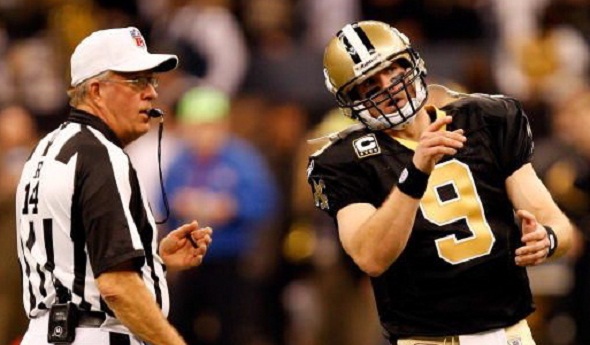
Kalamazoo's Winter a Pro in the Fall
July 19, 2012
Kalamazoo's Ron Winter has been part of just about every major event possible on a football field with more than four decades officiating high school, college and now National Football League games.
He can appreciate each level for what makes it special. And he's passed on those experiences and lessons galore to young officials and students at Western Michigan University.
Winter -- and MHSAA registered official the last 42 years -- was appointed earlier this month to serve a two-year term on the Governor's Council on Physical Fitness, Health and Sports.
Click to read more about what he enjoys about each level of the game, and for his advice for young officials looking to join him at the highest level.

Unforgettable 5ive: 2021 Football Playoff Week 3
By
Jon Ross
MHSAA Director of Broadcast Properties
November 17, 2021
Here's a look at our Playoff Week 3 "Unforgettable 5ive" from MHSAA.tv and MHSAA media partner broadcasts:
► Mason's Cason Carswell finds Dylan Badgley for the game-winning score with 10 seconds to play in a 20-17 win over Bloomfield Hills Brother Rice.
► Jason Skoczylas blocks a Detroit Country Day game-winning field goal attempt and then returns it 50 yards for a game-winning touchdown as Chelsea defeated the Yellowjackets 27-20.
► Sterling Heights Stevenson's Jordan Ramsey returns the fumble 90 yards for a touchdown in a 27-20 win over Macomb Dakota.
► Griffin Henke scores from one yard out for Rochester Adams as it edged reigning Division 1 champion West Bloomfield, 14-13.
► Suttons Bay's Shawn Bramer finishes the hook-and-ladder for a 69-yard game-tying score as his team went on to defeat Rudyard 42-36 in overtime.