


Did you see that? (10/15-10/21)
October 22, 2012
Three MHSAA fall sports came to an end over the weekend, and the tournament for a fourth has begun. Those finishes highlight the non-football best from the week that was Oct. 15-21.
Golf
Rankings play out: The Lower Peninsula girls season came to a close with all four top-ranked teams claiming championships. Plymouth won its first MHSAA title in any sport in Division 1, while Mona Shores became the first Lower Peninsula girls golf team to win four straight by doing so in Division 2. Ada Forest Hills Eastern made it two titles in three seasons by winning Division 3, and Lansing Catholic won its third straight in Division 4. Second Half covered them all. (Division 1) (Division 2) (Division 3) (Division 4)
Tennis
Dynasties continue: Three of four top-ranked teams also won MHSAA Lower Peninsula Boys Tennis Finals over the weekend, with the other champion hardly unfamiliar with first place. Ann Arbor Huron was ranked only No. 3 before winning Division 1 for the third time in five seasons. Midland Dow won its fourth straight Division 2 title and Ann Arbor Greenhills won its fifth straight in Division 4. But the biggest headline goes to Detroit Country Day, which tied Ann Arbor Pioneers’ dominance in 2002 with 39 points in claiming the Division 3 title. Second Half also covered all four of these Finals.(Division 1) (Division 2) (Division 3) (Division 4)
Cross country
One streak ends, another begins: The Upper Peninsula season came to an end with its Finals for three divisions. Calumet’s Tara Kiilunen led her team to the Division 1 girls title by winning the individual championship for the fourth consecutive season. On the boys side, Sault Ste. Marie won its first title in 11 years thanks to the individual Division 1 championship of freshman Parker Scott, who finished this season undefeated. Second Half covered all the races. (Girls Finals) (Boys Finals)
Soccer
Powers emerge in Division 1: Lower Peninsula Districts whittled the number of teams still alive down to 64 – 16 in each of four divisions. And the two toughest Districts to navigate were arguably in Division 1. Top-ranked East Kentwood beat Caledonia 6-0 to win that District, but only after the Falcons knocked out No. 2 Rockford in a semifinal and the Rams did the same to No. 7 Okemos in an opener. Rochester Stoney Creek, ranked No. 4, emerged from a district at Rochester that included No. 9 Utica Eisenhower and honorable mention Troy Athens by beating Rochester Adams 2-1 in the title game – after Adams upset Eisenhower in a semi. (Grand Rapids Press) (Oakland Press)
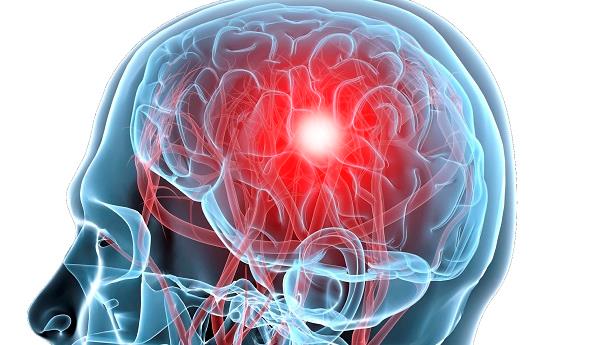
Is Baseline Concussion Testing Right For You?
November 2, 2021

Did you know there’s a test that can aid your recovery if you sustain a concussion?
Read on to get the facts about baseline testing from Michelle Gambino-Gorney, a certified athletic trainer for Henry Ford Health System.
What Is Baseline Concussion Testing?
“Baseline testing is an evaluation of your normal brain function that tests for neurocognitive abnormalities,” explains Gambino-Gorney. “We recommend baseline testing prior to the start of a sports season, before tryouts or practice.”
During baseline concussion testing, athletic trainers or physicians collect extensive information about an athlete’s brain health. They evaluate health, family history and neurocognitive function. Gambino-Gorney says that might include assessing everything from balance and reflexes to memory, vision and concentration. “If the athlete does sustain a concussion during the season, we can compare pre-injury test results to post-injury test results and find out how the injury is affecting an athlete’s brain. It helps us make the right recovery plan and determine when it’s safe for them to return to their sport.”
Myth: Concussion Baseline Testing Is Only for Football Players
While baseline testing is ideal for athletes (ages 9 and up) who play high-impact collision sports, any athlete at risk of a concussion should consider baseline testing. This includes football, lacrosse and hockey players, in addition to gymnasts, snowboarders, skateboarders and lots of other athletes.
In fact, even if you just take the occasional weekend bike ride, go jogging or lift weights, there’s no harm in having baseline test results on file. Pre-concussion screenings can also benefit people with physically demanding jobs, such as first responders, military personnel and tactical athletes.
Myth: You Only Need to Get Baseline Testing Once
Just as your joints and muscles change as you get older, your brain changes, too. It’s best to get annual baseline testing. Yearly tests help your healthcare team keep track of your brain health over time. They can spot problems or changes early, before they develop into serious issues. Ask your physician about baseline neurocognitive testing as part of your annual sports physical.
Myth: Baseline Testing Is Only Useful If You Get a Concussion
First and foremost, baseline testing tracks your physical and mental well-being. Even if you never sustain a concussion, the test is a way to stay proactive about your brain health. Gambino-Gorney explains that they can look at test results across seasons to detect changes in neurocognitive function that can indicate disorders such as:
► Anxiety
► Attention-deficit/hyperactivity disorder (ADHD)
► Depression
► Learning disabilities
Myth: Baseline Testing Diagnoses a Concussion
Baseline testing is not a diagnostic tool for concussions. It’s one piece of all the information a healthcare provider needs to determine if you sustained a mild traumatic brain injury. In addition to comprehensive neurocognitive testing, your provider assesses a broad range of concussion signs and symptoms to confirm a diagnosis after you’ve sustained an impact to your head.
To find a primary care or sports medicine specialist at Henry Ford, visit henryford.com or call 1-800-436-7936.
Michelle Gambino-Gorney is a certified athletic trainer in the Henry Ford Kutcher Clinic for Concussion and Sports Neurology.