


Did you see that? (10/15-10/21)
October 22, 2012
Three MHSAA fall sports came to an end over the weekend, and the tournament for a fourth has begun. Those finishes highlight the non-football best from the week that was Oct. 15-21.
Golf
Rankings play out: The Lower Peninsula girls season came to a close with all four top-ranked teams claiming championships. Plymouth won its first MHSAA title in any sport in Division 1, while Mona Shores became the first Lower Peninsula girls golf team to win four straight by doing so in Division 2. Ada Forest Hills Eastern made it two titles in three seasons by winning Division 3, and Lansing Catholic won its third straight in Division 4. Second Half covered them all. (Division 1) (Division 2) (Division 3) (Division 4)
Tennis
Dynasties continue: Three of four top-ranked teams also won MHSAA Lower Peninsula Boys Tennis Finals over the weekend, with the other champion hardly unfamiliar with first place. Ann Arbor Huron was ranked only No. 3 before winning Division 1 for the third time in five seasons. Midland Dow won its fourth straight Division 2 title and Ann Arbor Greenhills won its fifth straight in Division 4. But the biggest headline goes to Detroit Country Day, which tied Ann Arbor Pioneers’ dominance in 2002 with 39 points in claiming the Division 3 title. Second Half also covered all four of these Finals.(Division 1) (Division 2) (Division 3) (Division 4)
Cross country
One streak ends, another begins: The Upper Peninsula season came to an end with its Finals for three divisions. Calumet’s Tara Kiilunen led her team to the Division 1 girls title by winning the individual championship for the fourth consecutive season. On the boys side, Sault Ste. Marie won its first title in 11 years thanks to the individual Division 1 championship of freshman Parker Scott, who finished this season undefeated. Second Half covered all the races. (Girls Finals) (Boys Finals)
Soccer
Powers emerge in Division 1: Lower Peninsula Districts whittled the number of teams still alive down to 64 – 16 in each of four divisions. And the two toughest Districts to navigate were arguably in Division 1. Top-ranked East Kentwood beat Caledonia 6-0 to win that District, but only after the Falcons knocked out No. 2 Rockford in a semifinal and the Rams did the same to No. 7 Okemos in an opener. Rochester Stoney Creek, ranked No. 4, emerged from a district at Rochester that included No. 9 Utica Eisenhower and honorable mention Troy Athens by beating Rochester Adams 2-1 in the title game – after Adams upset Eisenhower in a semi. (Grand Rapids Press) (Oakland Press)
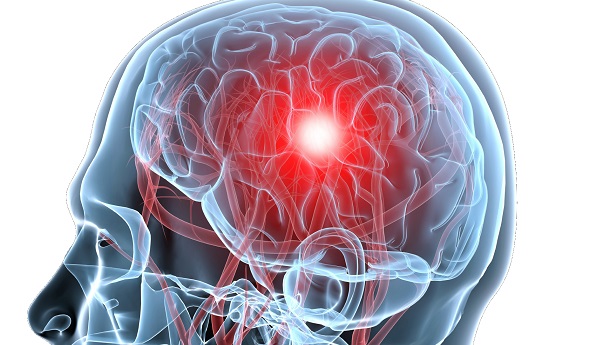
Be Proactive with Concussions
October 22, 2019

Most people have seen the headlines about concussions as a common sports injury, and it's natural that parents may be concerned for their young athlete.
A large misconception in sports is that previous concussions are to be blamed for ongoing headaches, blurred visions and memory loss, among other symptoms.
“It’s really important to think about concussions in concert with overall brain health,” says Jeffrey Kutcher, M.D., a sports neurologist who treats athletes at the Henry Ford Concussion and Sports Neurology Clinic. “Concussions can be concerning, but they shouldn’t be looked at in a vacuum. The best way to prevent brain injury begins before the injury occurs.”
One way to do that is to consult with your child’s doctor or a sports neurologist for an annual evaluation. A sports neurologist focuses on managing sports-related brain and nervous system injuries and conditions in athletes, such as concussions, post-concussion syndrome, peripheral nerve injuries, migraines, epilepsy, and more.
“Having an annual evaluation of your athlete’s brain function when they are healthy and uninjured can help diagnose and treat issues when they arise,” says Dr. Kutcher.
Results from the baseline test can be used as an important tool for comparison by a qualified healthcare professional later if an athlete has a suspected concussion.
Best Practices to Ensure Your Athlete Stays Safe
Dr. Kutcher shares these tips for parents to make sure you’re keeping your child’s brain health and safety – not just their athletic performance – at the forefront:
• Get a brain health baseline. A proper baseline test should include a personal and family neurological history, with a focus on any active issues. It is important to note any neurological conditions that may influence concussion recovery, such as ADHD, depression, anxiety, or migraine headaches.
• Teach your kid to listen to her or his body. With any sport, there is a calculated risk to play. Teaching kids to listen to and be honest about how their body is feeling is the best way to prevent and treat injuries.
• In the event of an injury, look for the signs. Within 24 hours after an injury, an athlete should be evaluated if they are experiencing:
· Headaches
· Fatigue
· Dizziness and nausea
· Changes in sleep habits
· Trouble with memory
· Confusion
· Irritability and anxiety
· Light sensitivity
• Brain injuries don’t just occur with a blow to the head. They can also occur from falls, car accidents, or even through whiplash. If your child is experiencing any symptoms, be sure to consult your physician.
• Brain health is more than just concussions. If your athlete is complaining of chronic headaches, migraines, dizziness, memory or mood issues, there may be an underlying issue.
“There is no magic number of concussions a brain can sustain. Each individual is different,” Dr. Kutcher explains. “The impact severity and recovery time can greatly affect an athlete’s brain. By getting a baseline before the injury, we can establish a goal to work towards in recovery.”
Want to learn more? Henry Ford Health System sports medicine experts are treating the whole athlete, in a whole new way. From nutrition to neurology, and from injury prevention to treatment of sports-related conditions, they can give your athlete a unique game plan.
Visit henryford.com/sports or call (313) 972-4216 for an appointment within 24 business hours.