


Did you see that? (10/22-10/28)
October 30, 2012
Qualifiers for the final week of the boys soccer and cross country seasons were determined over the weekend, while volleyball teams finished up league tournaments before serving up District play beginning today.
Soccer
Unity Christian downs 1 and 2: No. 3 Hudsonville Unity Christian became the highest-ranked team left in Division 2 by defeating No. 2 Ada Forest Hills Eastern in a Regional Semifinal and then top-ranked Spring Lake in the Regional Final. (Grand Rapids Press)
Hornets win first Regional: Williamston’s boys had never won a Regional game before last week, but ended it with their first Semifinal berth after a 2-0 win over No. 10 Frankenmuth in Division 3. (Saginaw News)
Cross country
Seaholm girls, Mott boys win: The top-ranked Birmingham Seaholm girls put seven among the top 11 at Saturday's Division 1 Regional at Waterford to finish ahead of No. 7 Northville and claim the championships. The Waterford Mott boys, ranked No. 6, put five among the top 13 to win their race. (Oakland Press)
Volleyball
No. 1 in league, No. 1 overall: Richland Gull Lake secured the top ranking in Class A heading into the MHSAA tournament by winning the Southwestern Michigan Athletic Conference tournament Saturday. The Blue Devils beat No. 7 Mattawan in the semifinal before taking down Niles in the championship match. (Battle Creek Enquirer)
Marysville ready for playoffs: The Class B No. 5 Vikings won their home invitational Saturday, beating No. 10 Croswell-Lexington in three games in the championship match. (Port Huron Times-Herald)
Swimming and Diving
Records fall: Division 2 No. 9 Midland Dow broke all three relay pool records as it hosted rival Midland on Thursday. The Chargers won 141-42 to move to 13-0 in dual meets this fall. (Midland Daily News)
Tennis
Jenshak, Erickson named Players of the Year: Escanaba’s Codi Jenshak and Iron River West Iron County’s Kylee Erickson played three times this season and won the MHSAA Division 1 and 2 Upper Peninsula No. 1 singles championships, respectively. They were named Co-Player of the Year in the Upper Peninsula last week. (Escanaba Daily Press) (Iron Mountain Daily News)
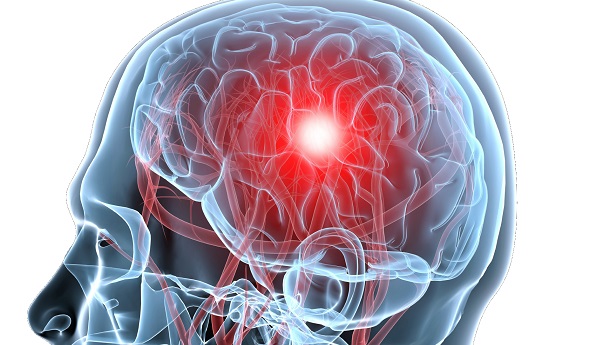
Be Proactive with Concussions
October 22, 2019

Most people have seen the headlines about concussions as a common sports injury, and it's natural that parents may be concerned for their young athlete.
A large misconception in sports is that previous concussions are to be blamed for ongoing headaches, blurred visions and memory loss, among other symptoms.
“It’s really important to think about concussions in concert with overall brain health,” says Jeffrey Kutcher, M.D., a sports neurologist who treats athletes at the Henry Ford Concussion and Sports Neurology Clinic. “Concussions can be concerning, but they shouldn’t be looked at in a vacuum. The best way to prevent brain injury begins before the injury occurs.”
One way to do that is to consult with your child’s doctor or a sports neurologist for an annual evaluation. A sports neurologist focuses on managing sports-related brain and nervous system injuries and conditions in athletes, such as concussions, post-concussion syndrome, peripheral nerve injuries, migraines, epilepsy, and more.
“Having an annual evaluation of your athlete’s brain function when they are healthy and uninjured can help diagnose and treat issues when they arise,” says Dr. Kutcher.
Results from the baseline test can be used as an important tool for comparison by a qualified healthcare professional later if an athlete has a suspected concussion.
Best Practices to Ensure Your Athlete Stays Safe
Dr. Kutcher shares these tips for parents to make sure you’re keeping your child’s brain health and safety – not just their athletic performance – at the forefront:
• Get a brain health baseline. A proper baseline test should include a personal and family neurological history, with a focus on any active issues. It is important to note any neurological conditions that may influence concussion recovery, such as ADHD, depression, anxiety, or migraine headaches.
• Teach your kid to listen to her or his body. With any sport, there is a calculated risk to play. Teaching kids to listen to and be honest about how their body is feeling is the best way to prevent and treat injuries.
• In the event of an injury, look for the signs. Within 24 hours after an injury, an athlete should be evaluated if they are experiencing:
· Headaches
· Fatigue
· Dizziness and nausea
· Changes in sleep habits
· Trouble with memory
· Confusion
· Irritability and anxiety
· Light sensitivity
• Brain injuries don’t just occur with a blow to the head. They can also occur from falls, car accidents, or even through whiplash. If your child is experiencing any symptoms, be sure to consult your physician.
• Brain health is more than just concussions. If your athlete is complaining of chronic headaches, migraines, dizziness, memory or mood issues, there may be an underlying issue.
“There is no magic number of concussions a brain can sustain. Each individual is different,” Dr. Kutcher explains. “The impact severity and recovery time can greatly affect an athlete’s brain. By getting a baseline before the injury, we can establish a goal to work towards in recovery.”
Want to learn more? Henry Ford Health System sports medicine experts are treating the whole athlete, in a whole new way. From nutrition to neurology, and from injury prevention to treatment of sports-related conditions, they can give your athlete a unique game plan.
Visit henryford.com/sports or call (313) 972-4216 for an appointment within 24 business hours.