


Did you see that?
March 20, 2012
Check out our must-know scores and news from March 12-17.
(Click on links for coverage.)
Girls Basketball
Raise the trophies: Grand Haven in Class A, Goodrich in Class B, Morley-Stanwood in Class C and Waterford Our Lady of the Lakes in Class D did so at Breslin Center in the most exciting Finals in some time -- three of the four games came down to the final minutes. Check Second Half later this week for a Girls Basketball Finals in Review.
Boys Basketball
Pershing moves on: The Detroit Pershing vs. Detroit Martin Luther King series has been one of the best in the state this winter. King defeated Pershing in the PSL Tournament Final. But only one could emerge from last week's Class A Regional -- and this time it was Pershing with a 75-70 win. (Mlive.com)
Long time coming: Lake Orion won its first Regional title since 1925 (really), defeating Waterford Mot 48-42 in Class A. Really. (Oakland Press)
Fantastic finish: Flint Beecher moved on with a 38-36 overtime win over Detroit Consortium in a Class C Regional Final that wasn't decided until Antuan Burks drained a jumper with a second to play in the extra period. (Detroit Free Press)
Time for two: New Haven won its second boys basketball Regional title ever, and first since 1990, with a 59-57 overtime win over frequent power Saginaw Nouvel. (Macomb Daily)
Editor's note: Did we miss something? Comment below and tell us about it. Is there an event coming up that we should make sure to note? Comment or e-mail [email protected].
The Inside Scoop On Ski Safety: 6 Tips
January 10, 2023
Injuries happen to skiers of all levels, even under pristine conditions and when using the best available equipment. “Beginners are more likely to get injured. But when experienced skiers go down, they tend to have more severe injuries,” says Michelle Gambino-Gorney, a certified athletic trainer at the Henry Ford Kutcher Clinic for Concussion and Sports Neurology.
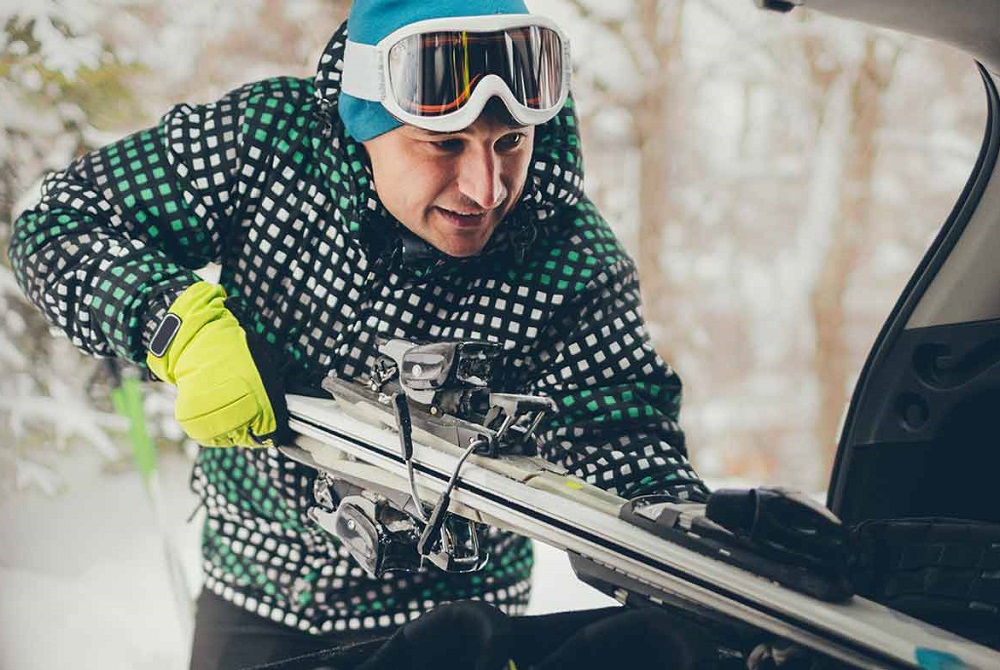
 But you don’t have to let the risk of injury hold you back from having fun on the slopes. A few basic safety tips? Stay within your ability level and ensure your skis are in good condition. That said, going beyond ski safety basics and learning how to avoid injuries can help you stay safe on the slopes. Here are six expert tips:
Use caution when getting on and off the ski lift. Ski lifts make a lot of people anxious. Being high off the ground on your journey up the mountain can invoke a fear of falling. “But it’s getting on and off the ski lift where the vast majority of lift-related injuries occur,” Gambino-Gorney says. To lower your risk of injury, remove pole straps and backpacks before loading, look over your shoulder to make sure you sit squarely on the seat at the correct time, and don't try to retrieve items you lose hold of (including poles, gloves and phones). It’s best to let them go and ski back for them.
Keep it simple at terrain parks. Terrain parks include human-made features like ramps and rails that enable skiers to do jumps, flips and other maneuvers. Any time your skis leave the ground, injuries are possible. You can safely enjoy terrain parks by starting with smaller obstacles and maneuvers and mastering them before moving on to other challenges. Do not rely on online tutorials to learn new skills. Ski instructors can help you learn the correct technique and provide personalized tips for achieving your goals.
Beware of trees. Trees present multiple dangers. Colliding with a tree, especially at high speed, leads to some of the most severe ski injuries. A small number of skiers die each year from tree collisions. To avoid collisions, ski with control. Other concerns include tree wells and snow immersion suffocation. This type of injury occurs when a person falls head first into a pocket of loose snow near a tree trunk and gets trapped. Skiing with a partner on ungroomed paths, which typically run past tree wells, is essential. If you become immersed in a tree well, a partner can step in to help you break free.
Pay extra attention during your final run of the day. Injuries are more common during skiers’ last runs. “Skiing later in the day can be dangerous because small changes can affect your ability to maneuver and react to conditions,” Gambino-Gorney says. Fresh powder may get matted down. Groomed areas become bumpy. And fatigue can make you less aware of hazards and other skiers. While it may be tempting to give it your all on your last run, it’s better to ease up and take your time.
Follow the Skier Code of Responsibility. People of all ages, abilities and ski levels can safely share the slopes when everyone follows the National Ski Area Association™ Responsibility Code. Key points include: Giving right of way to people ahead of (downhill from) you, staying off closed trails, and looking uphill for other skiers when merging.
Expedite access to help in an emergency. Being prepared can help you quickly reach ski patrol in an emergency. Most ski areas list their ski patrol phone number near the lifts. While you are waiting in the ski lift line, program it into your phone. If you or someone nearby experiences an injury, being able to call for help will save precious time. Instead of waiting for someone to ski down the mountain and ask for help, you can stay with the injured person and call for help. Calling also makes it easier to share important details so that ski patrol arrives with the appropriate people and equipment.
“Skiing is like any sport in that there’s a risk of injury. But many people hit the slopes without incident. Some skiers go decades without a single fall,” Gambino-Gorney says. Follow these insider tips and don't forget to wear a helmet so you can relish your next powder day and get the most out of the season.
To find a sports medicine provider at Henry Ford, visit henryford.com/sports or call 313-651-1969.
Michelle Gambino-Gorney is a certified athletic trainer at the Henry Ford Kutcher Clinic for Concussion and Sports Neurology.