


Did you see that?
April 30, 2012
By Geoff Kimmerly
Second Half editor
It's only the end of April. But a number of Michigan's contenders already are in championship form.
Check out our best of results, news and notes from the week that was April 23-28.
Boys Track
What a toss: Walled Lake Central junior Cullen Prena tossed the discus an incredible 187 feet, seven inches, to win the event at the Oxford Invitational by nearly 36 feet. In fact, the toss would've won every MHSAA Final dating back to 2003. Earlier in the week he broke the Oakland County record as well. He also won the shot put at Oxford. (Oakland Press)
Girls Track
South still on top: Reigning MHSAA Division 1 champion Grosse Pointe South earned a strong early win at the Michigan State Spartan Invitational ahead of a field that included annual powers Rockford and Williamston and a strong DeWitt team. Bay City Western won the boys meet. (Playmakers.com)
Baseball
Flint Final set: Goodrich’s Bob Foreback and Davison’s Timm Rye will bring more than 1,000 victories worth of experience into this season’s Greater Flint Area Baseball Tournament championship game when their teams face off on Memorial Day. The two will meet after emerging from the field this weekend. (Flint Journal)
How do you score that: Most telling lines from the Kalamazoo Gazette’s story about Comstock turning a triple play and three double plays in one game came from Comstock coach Rich Bailey: “We have not played particularly good defense. In fact, our defense has been a problem. The skill is there; the execution hasn’t been.” (Kalamazoo Gazette)
Girls Soccer
Poll position: Rochester Adams continued to affect the Division 1 rankings while moving up itself. Adams likely helped to knock rival Rochester out of this week’s honorable mentions with a 2-0 win Thursday. The Friday before, Adams downed then top-ranked Troy 4-1. The Highlanders have opened 7-0 and are ranked No. 3 in Division 1. (Oakland Press)
Boys Basketball
Flint Powers coach moves on: Tim Herman led the Flint Powers Catholic boys basketball program only seven seasons, but they were seven of the Chargers’ most memorable. Herman resigned his post last week after more than 100 wins and the team’s only MHSAA championship, in Class B in 2009. (Flint Journal)
Football
Michigan's finest take next step: At least nine former MHSAA athletes were drafted by NFL teams (by my count) over seven rounds Thursday through Saturday. They were:
- DE Nick Perry (Detroit Martin Luther King/University of Southern California) Green Bay, first round
- DT Mike Martin (Detroit Catholic Central/University of Michigan) Tennessee, third round
- QB Kirk Cousins (Holland Christian/Michigan State University) Washington, fourth round
- WR Keshawn Martin (Westland John Glenn/Michigan State University) Houston, fourth round
- CB Chris Greenwood (Detroit Martin Luther King/Albion College) Detroit, fifth round
- S Trenton Robinson (Bay City Central/Michigan State) San Francisco, sixth round
- LB Audie Cole (Monroe/North Carolina State University) Minnesota, seventh round
- RB Edwin Baker (Oak Park/Michigan State University) San Diego, seventh round
- K John Potter (Grand Haven/Western Michigan University) New York Jets, seventh round
Editor's note: Did we miss something? Comment below and tell us about it. Is there an event coming up that we should make sure to note? Comment or e-mail [email protected].
How To Be Proactive About Concussions In Student Athletes
December 5, 2023
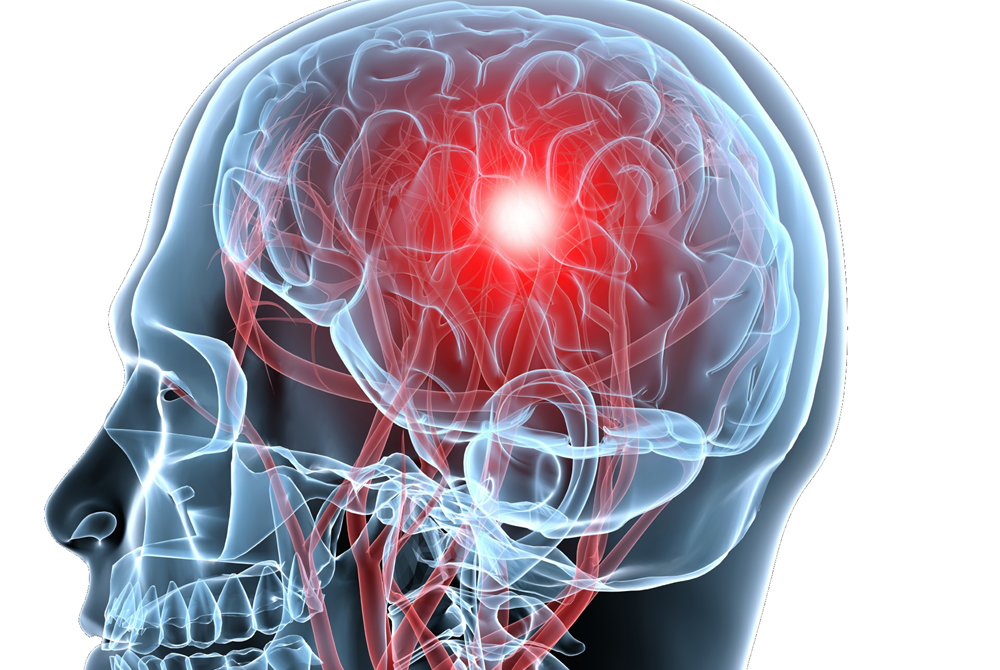
Most people have seen the headlines about concussions as a common sports injury—and it's natural that parents of athletes may have concerns. A large misconception in sports is that previous concussions are to be blamed for ongoing headaches, blurred vision and memory loss, among other symptoms.
 “It’s really important to think about concussions in tandem with overall brain health,” says Jake Carpenter-Thompson, M.D., Ph.D., a board-certified neurologist at the Henry Ford Kutcher Clinic for Concussion and Sports Neurology. “Concussions can be concerning, but they shouldn’t be looked at in a vacuum. It is important to understand an athlete’s overall brain health to help manage recovery after any impact.”
One way to do that is to consult with your child’s doctor or a sports neurologist for an annual evaluation. A sports neurologist focuses on managing sports-related brain and nervous system injuries and conditions in athletes, such as concussions, post-concussion syndrome, peripheral nerve injuries, migraines, epilepsy and more.
“Having an annual evaluation of your athlete’s brain health when they are at their baseline – and uninjured – can help diagnose and treat issues when they arise,” says Dr. Carpenter-Thompson.
A qualified healthcare professional can use the baseline evaluation results as an important comparison tool if an athlete develops a suspected concussion.
Best Practices For Keeping Athletes Safe
Dr. Carpenter-Thompson shares these tips to ensure you keep front of mind your child’s brain health and safety, not just their athletic performance:
- Get a brain health baseline test. This should include a personal and family neurological history, with a focus on current issues. It is important to note any neurological conditions that may influence concussion recovery, such as ADHD, depression, anxiety or migraine headaches.
- Encourage your children to listen to their body. There are risks to playing any sport. Encourage your child to listen to and be honest about how they’re feeling. It’s the best way to prevent and treat injuries.
- In the event of an injury, look for the signs. Within 24 hours after an injury, an athlete should be evaluated if they are experiencing: headaches, fatigue, dizziness and nausea, changes in sleep habits, trouble with memory, confusion, irritability and anxiety, or light sensitivity.
- Know that brain injuries don’t just occur with a blow to the head. They can also occur from falls, car accidents or even whiplash. If your child is experiencing any symptoms, consult your physician.
- Remember that brain health is more than just concussions. If your athlete is complaining of chronic headaches, migraines, dizziness, memory or mood issues, there may be an underlying issue.
“There is no magic number of concussions a brain can sustain. Each person is different,” says Dr. Carpenter-Thompson. “The severity of the impact and recovery time can vary greatly for numerous reasons. By getting a brain health assessment before the injury, we can provide more targeted care to improve an athlete's overall clinical course.”
To find a sports medicine doctor or athletic trainer at Henry Ford, visit henryford.com/athletes.