


Did you see that?
April 30, 2012
By Geoff Kimmerly
Second Half editor
It's only the end of April. But a number of Michigan's contenders already are in championship form.
Check out our best of results, news and notes from the week that was April 23-28.
Boys Track
What a toss: Walled Lake Central junior Cullen Prena tossed the discus an incredible 187 feet, seven inches, to win the event at the Oxford Invitational by nearly 36 feet. In fact, the toss would've won every MHSAA Final dating back to 2003. Earlier in the week he broke the Oakland County record as well. He also won the shot put at Oxford. (Oakland Press)
Girls Track
South still on top: Reigning MHSAA Division 1 champion Grosse Pointe South earned a strong early win at the Michigan State Spartan Invitational ahead of a field that included annual powers Rockford and Williamston and a strong DeWitt team. Bay City Western won the boys meet. (Playmakers.com)
Baseball
Flint Final set: Goodrich’s Bob Foreback and Davison’s Timm Rye will bring more than 1,000 victories worth of experience into this season’s Greater Flint Area Baseball Tournament championship game when their teams face off on Memorial Day. The two will meet after emerging from the field this weekend. (Flint Journal)
How do you score that: Most telling lines from the Kalamazoo Gazette’s story about Comstock turning a triple play and three double plays in one game came from Comstock coach Rich Bailey: “We have not played particularly good defense. In fact, our defense has been a problem. The skill is there; the execution hasn’t been.” (Kalamazoo Gazette)
Girls Soccer
Poll position: Rochester Adams continued to affect the Division 1 rankings while moving up itself. Adams likely helped to knock rival Rochester out of this week’s honorable mentions with a 2-0 win Thursday. The Friday before, Adams downed then top-ranked Troy 4-1. The Highlanders have opened 7-0 and are ranked No. 3 in Division 1. (Oakland Press)
Boys Basketball
Flint Powers coach moves on: Tim Herman led the Flint Powers Catholic boys basketball program only seven seasons, but they were seven of the Chargers’ most memorable. Herman resigned his post last week after more than 100 wins and the team’s only MHSAA championship, in Class B in 2009. (Flint Journal)
Football
Michigan's finest take next step: At least nine former MHSAA athletes were drafted by NFL teams (by my count) over seven rounds Thursday through Saturday. They were:
- DE Nick Perry (Detroit Martin Luther King/University of Southern California) Green Bay, first round
- DT Mike Martin (Detroit Catholic Central/University of Michigan) Tennessee, third round
- QB Kirk Cousins (Holland Christian/Michigan State University) Washington, fourth round
- WR Keshawn Martin (Westland John Glenn/Michigan State University) Houston, fourth round
- CB Chris Greenwood (Detroit Martin Luther King/Albion College) Detroit, fifth round
- S Trenton Robinson (Bay City Central/Michigan State) San Francisco, sixth round
- LB Audie Cole (Monroe/North Carolina State University) Minnesota, seventh round
- RB Edwin Baker (Oak Park/Michigan State University) San Diego, seventh round
- K John Potter (Grand Haven/Western Michigan University) New York Jets, seventh round
Editor's note: Did we miss something? Comment below and tell us about it. Is there an event coming up that we should make sure to note? Comment or e-mail [email protected].
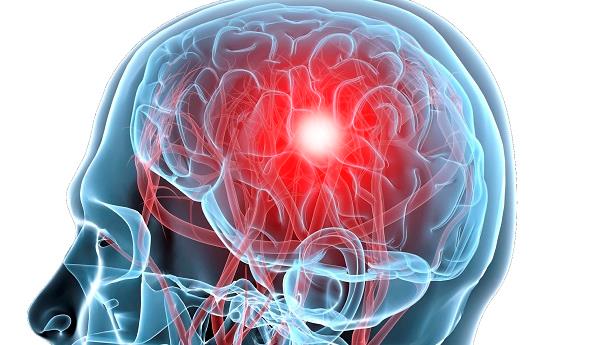
Is Baseline Concussion Testing Right For You?
November 2, 2021

Did you know there’s a test that can aid your recovery if you sustain a concussion?
Read on to get the facts about baseline testing from Michelle Gambino-Gorney, a certified athletic trainer for Henry Ford Health System.
What Is Baseline Concussion Testing?
“Baseline testing is an evaluation of your normal brain function that tests for neurocognitive abnormalities,” explains Gambino-Gorney. “We recommend baseline testing prior to the start of a sports season, before tryouts or practice.”
During baseline concussion testing, athletic trainers or physicians collect extensive information about an athlete’s brain health. They evaluate health, family history and neurocognitive function. Gambino-Gorney says that might include assessing everything from balance and reflexes to memory, vision and concentration. “If the athlete does sustain a concussion during the season, we can compare pre-injury test results to post-injury test results and find out how the injury is affecting an athlete’s brain. It helps us make the right recovery plan and determine when it’s safe for them to return to their sport.”
Myth: Concussion Baseline Testing Is Only for Football Players
While baseline testing is ideal for athletes (ages 9 and up) who play high-impact collision sports, any athlete at risk of a concussion should consider baseline testing. This includes football, lacrosse and hockey players, in addition to gymnasts, snowboarders, skateboarders and lots of other athletes.
In fact, even if you just take the occasional weekend bike ride, go jogging or lift weights, there’s no harm in having baseline test results on file. Pre-concussion screenings can also benefit people with physically demanding jobs, such as first responders, military personnel and tactical athletes.
Myth: You Only Need to Get Baseline Testing Once
Just as your joints and muscles change as you get older, your brain changes, too. It’s best to get annual baseline testing. Yearly tests help your healthcare team keep track of your brain health over time. They can spot problems or changes early, before they develop into serious issues. Ask your physician about baseline neurocognitive testing as part of your annual sports physical.
Myth: Baseline Testing Is Only Useful If You Get a Concussion
First and foremost, baseline testing tracks your physical and mental well-being. Even if you never sustain a concussion, the test is a way to stay proactive about your brain health. Gambino-Gorney explains that they can look at test results across seasons to detect changes in neurocognitive function that can indicate disorders such as:
► Anxiety
► Attention-deficit/hyperactivity disorder (ADHD)
► Depression
► Learning disabilities
Myth: Baseline Testing Diagnoses a Concussion
Baseline testing is not a diagnostic tool for concussions. It’s one piece of all the information a healthcare provider needs to determine if you sustained a mild traumatic brain injury. In addition to comprehensive neurocognitive testing, your provider assesses a broad range of concussion signs and symptoms to confirm a diagnosis after you’ve sustained an impact to your head.
To find a primary care or sports medicine specialist at Henry Ford, visit henryford.com or call 1-800-436-7936.
Michelle Gambino-Gorney is a certified athletic trainer in the Henry Ford Kutcher Clinic for Concussion and Sports Neurology.