


Did you see that?
April 30, 2012
By Geoff Kimmerly
Second Half editor
It's only the end of April. But a number of Michigan's contenders already are in championship form.
Check out our best of results, news and notes from the week that was April 23-28.
Boys Track
What a toss: Walled Lake Central junior Cullen Prena tossed the discus an incredible 187 feet, seven inches, to win the event at the Oxford Invitational by nearly 36 feet. In fact, the toss would've won every MHSAA Final dating back to 2003. Earlier in the week he broke the Oakland County record as well. He also won the shot put at Oxford. (Oakland Press)
Girls Track
South still on top: Reigning MHSAA Division 1 champion Grosse Pointe South earned a strong early win at the Michigan State Spartan Invitational ahead of a field that included annual powers Rockford and Williamston and a strong DeWitt team. Bay City Western won the boys meet. (Playmakers.com)
Baseball
Flint Final set: Goodrich’s Bob Foreback and Davison’s Timm Rye will bring more than 1,000 victories worth of experience into this season’s Greater Flint Area Baseball Tournament championship game when their teams face off on Memorial Day. The two will meet after emerging from the field this weekend. (Flint Journal)
How do you score that: Most telling lines from the Kalamazoo Gazette’s story about Comstock turning a triple play and three double plays in one game came from Comstock coach Rich Bailey: “We have not played particularly good defense. In fact, our defense has been a problem. The skill is there; the execution hasn’t been.” (Kalamazoo Gazette)
Girls Soccer
Poll position: Rochester Adams continued to affect the Division 1 rankings while moving up itself. Adams likely helped to knock rival Rochester out of this week’s honorable mentions with a 2-0 win Thursday. The Friday before, Adams downed then top-ranked Troy 4-1. The Highlanders have opened 7-0 and are ranked No. 3 in Division 1. (Oakland Press)
Boys Basketball
Flint Powers coach moves on: Tim Herman led the Flint Powers Catholic boys basketball program only seven seasons, but they were seven of the Chargers’ most memorable. Herman resigned his post last week after more than 100 wins and the team’s only MHSAA championship, in Class B in 2009. (Flint Journal)
Football
Michigan's finest take next step: At least nine former MHSAA athletes were drafted by NFL teams (by my count) over seven rounds Thursday through Saturday. They were:
- DE Nick Perry (Detroit Martin Luther King/University of Southern California) Green Bay, first round
- DT Mike Martin (Detroit Catholic Central/University of Michigan) Tennessee, third round
- QB Kirk Cousins (Holland Christian/Michigan State University) Washington, fourth round
- WR Keshawn Martin (Westland John Glenn/Michigan State University) Houston, fourth round
- CB Chris Greenwood (Detroit Martin Luther King/Albion College) Detroit, fifth round
- S Trenton Robinson (Bay City Central/Michigan State) San Francisco, sixth round
- LB Audie Cole (Monroe/North Carolina State University) Minnesota, seventh round
- RB Edwin Baker (Oak Park/Michigan State University) San Diego, seventh round
- K John Potter (Grand Haven/Western Michigan University) New York Jets, seventh round
Editor's note: Did we miss something? Comment below and tell us about it. Is there an event coming up that we should make sure to note? Comment or e-mail [email protected].
Women & ACL Injuries: Know Risks, Steps for Prevention
August 10, 2021

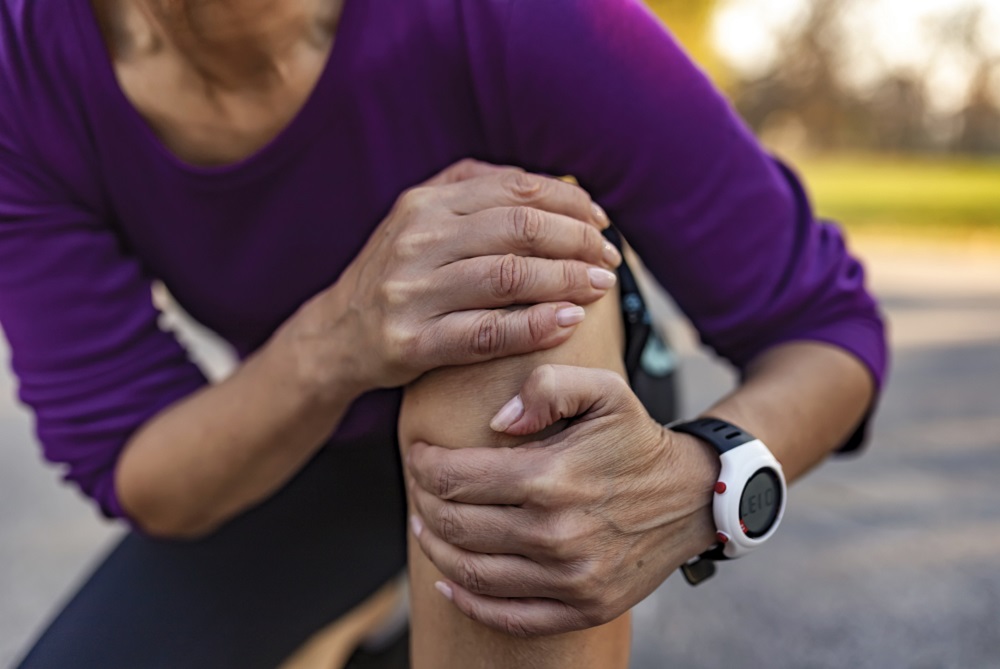
Whether you’re a casual jogger or elite athlete, you’re at risk for an injury to your anterior cruciate ligament (ACL). If you’re a woman, you are at even greater risk for these injuries.
But there are steps you can take to prevent them.
“Among athletes, women are more than twice as likely to have an ACL injury than men,” says Nithin Natwa, M.D., a sports medicine specialist and primary care physician at Henry Ford Health System. “Once you have an ACL injury, you are at greater risk for having further soft tissue injuries in the future. That’s why it is important to prevent these injuries and follow your treatment plan if injured.”
What Is An ACL Injury?
An ACL injury is a strain or tear in the ACL, one of the four major ligaments that support the knee so it can flex and bend. The ACL is a strong band of tissue that helps connect your thigh bone (femur) to your shin bone (tibia). “An ACL injury usually occurs without contact when you turn suddenly while running or land off-balance on one leg. These actions overload the knee joint and cause the ACL to be torn,” says Dr. Natwa.
In the United States, 100,000 people have ACL injuries each year. Anyone can experience an ACL injury, though athletes participating in sports like football, basketball, soccer and gymnastics are at highest risk. And summer is a peak time for outdoor sports injuries.
Seek immediate care if you have any of these signs of an ACL injury:
• An audible “pop” in the knee
• Intense knee pain and rapid-onset swelling (within hours)
• Loss of range of motion
• An unstable feeling or locking of your knee
The most common treatment for ACL injuries is surgery followed by physical therapy. After treatment, you can expect to return to normal activities in 6 to 9 months. However, peak athletic performance can take up to two years.
Why Are Women At Higher Risk For ACL Injuries?
According to Dr. Natwa, the differences in athletic training techniques for males versus females have left women at greater risk for ACL injuries. “There has been more emphasis on overall conditioning and mechanics for boys participating in sports compared to girls,” he says.
As a result, women are at greater risk for ACL tears and sprains due to:
• Differences in neuromuscular control: Without conditioning from an early age, women may not have the same ability to land and perform athletic motions that men do. For example, women are at higher risk for an ACL injury after landing from a jump.
• Strength imbalance for muscles that support the knee: Female athletes tend to have more defined quadriceps muscles but weaker hamstrings than men, putting them at greater risk for injury.
According to Dr. Natwa, there are many theories about women’s risk for ACL injury that lack scientific evidence, including:
• Width of the pelvis: Some people have suggested that the wider width of a woman’s pelvis puts more pressure on the knee joint and increases the risk for injury. However, this difference has not been shown to impact a women’s risk for ACL tears or sprains.
• Knee anatomy: The ACL runs through a section of the femur called the intercondylar notch. Women tend to have a narrower notch than men. Regardless of gender, individuals who possess smaller notch dimensions appear to be at greater risk for injury than individuals with larger notches.
• Hormones: Men and women have different hormone levels. But there is currently no concrete evidence that female hormones place women at higher risk for ACL injures.
Steps To Prevent ACL Injuries – Conditioning Early, Often
“The best way to prevent ACL injuries is to begin and maintain regular conditioning exercises at an early age,” Dr. Natwa says. “The more frequently you engage in proper exercises, the lower your risk for injury.”
Consult with a sports medicine specialist, physical therapist or athletic trainer to develop a training routine to prevent ACL and other injuries. Your training program should include exercises that:
• Strengthen the muscles that support your knee: Add strength training to build up your calves, hamstrings and quadriceps muscles. These muscles help stabilize your knee as you move. By strengthening these muscle groups evenly, you can lower your risk for injury.
• Improve overall neuromuscular control: Focus on adding neuromuscular exercises that train your nerves and muscles to react and communicate. For example, you may work on your balance by standing on one leg or sit upright on an exercise ball for short periods of time. And core exercises can strengthen the muscles that support your abdomen and back and help improve your posture as you move. These moves can strengthen your joints and help you learn appropriate balance and technique.
“Exercise really is the best medicine. It can improve your balance and agility as you participate in a sport or prevent injury as you move through your daily activities,” says Dr. Natwa. “Consider adding these exercises to your wellness program.”
Dr. Nithin Natwa is a sports medicine doctor who sees patients at Henry Ford Macomb Health Center in Chesterfield and Henry Ford Macomb Orthopedics and Wound Care in Clinton Township.
Want to learn more? Henry Ford Health System sports medicine experts are treating the whole athlete, in a whole new way. From nutrition to neurology, and from injury prevention to treatment of sports-related conditions, they can give your athlete a unique game plan. To find a sports medicine physician at Henry Ford, visit henryford.com or call 1-800-436-7936.