


Did you see that?
April 30, 2012
By Geoff Kimmerly
Second Half editor
It's only the end of April. But a number of Michigan's contenders already are in championship form.
Check out our best of results, news and notes from the week that was April 23-28.
Boys Track
What a toss: Walled Lake Central junior Cullen Prena tossed the discus an incredible 187 feet, seven inches, to win the event at the Oxford Invitational by nearly 36 feet. In fact, the toss would've won every MHSAA Final dating back to 2003. Earlier in the week he broke the Oakland County record as well. He also won the shot put at Oxford. (Oakland Press)
Girls Track
South still on top: Reigning MHSAA Division 1 champion Grosse Pointe South earned a strong early win at the Michigan State Spartan Invitational ahead of a field that included annual powers Rockford and Williamston and a strong DeWitt team. Bay City Western won the boys meet. (Playmakers.com)
Baseball
Flint Final set: Goodrich’s Bob Foreback and Davison’s Timm Rye will bring more than 1,000 victories worth of experience into this season’s Greater Flint Area Baseball Tournament championship game when their teams face off on Memorial Day. The two will meet after emerging from the field this weekend. (Flint Journal)
How do you score that: Most telling lines from the Kalamazoo Gazette’s story about Comstock turning a triple play and three double plays in one game came from Comstock coach Rich Bailey: “We have not played particularly good defense. In fact, our defense has been a problem. The skill is there; the execution hasn’t been.” (Kalamazoo Gazette)
Girls Soccer
Poll position: Rochester Adams continued to affect the Division 1 rankings while moving up itself. Adams likely helped to knock rival Rochester out of this week’s honorable mentions with a 2-0 win Thursday. The Friday before, Adams downed then top-ranked Troy 4-1. The Highlanders have opened 7-0 and are ranked No. 3 in Division 1. (Oakland Press)
Boys Basketball
Flint Powers coach moves on: Tim Herman led the Flint Powers Catholic boys basketball program only seven seasons, but they were seven of the Chargers’ most memorable. Herman resigned his post last week after more than 100 wins and the team’s only MHSAA championship, in Class B in 2009. (Flint Journal)
Football
Michigan's finest take next step: At least nine former MHSAA athletes were drafted by NFL teams (by my count) over seven rounds Thursday through Saturday. They were:
- DE Nick Perry (Detroit Martin Luther King/University of Southern California) Green Bay, first round
- DT Mike Martin (Detroit Catholic Central/University of Michigan) Tennessee, third round
- QB Kirk Cousins (Holland Christian/Michigan State University) Washington, fourth round
- WR Keshawn Martin (Westland John Glenn/Michigan State University) Houston, fourth round
- CB Chris Greenwood (Detroit Martin Luther King/Albion College) Detroit, fifth round
- S Trenton Robinson (Bay City Central/Michigan State) San Francisco, sixth round
- LB Audie Cole (Monroe/North Carolina State University) Minnesota, seventh round
- RB Edwin Baker (Oak Park/Michigan State University) San Diego, seventh round
- K John Potter (Grand Haven/Western Michigan University) New York Jets, seventh round
Editor's note: Did we miss something? Comment below and tell us about it. Is there an event coming up that we should make sure to note? Comment or e-mail [email protected].
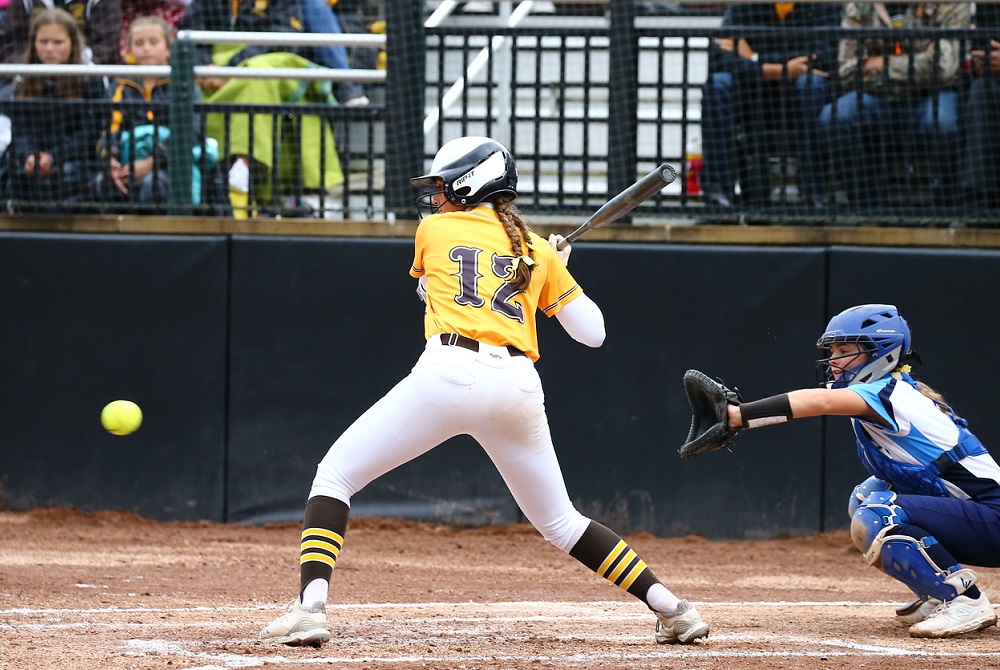
Play it Safe: Basics of Proper Helmet Use
June 8, 2021

If you or your child plays sports or participates in physically risky activities, wearing a helmet could be lifesaving. While no helmet is concussion-proof, wearing one can help reduce the risk of serious head injuries.
"Helmets are made with materials that help reduce impact to the head, protecting the skull from damage," says Jeffrey Kutcher, M.D., a sports neurologist who treats athletes at the Henry Ford Kutcher Clinic for Concussion and Sports Neurology. "You should be wearing a helmet whether you're playing a contact sport or riding something on a hard surface, such as a bike, scooter, skateboard or rollerblades."
Head Injury Prevention 101: Helmet Buying Basics
All helmets are certified at the same level for multi-use recreational activities. So there's no need to search for a specific seal or rating. Instead, when you're purchasing a helmet — or getting one second-hand — focus on these four factors:
How you’ll use it:
Pay attention to the risks involved with the activity you're doing. If you're biking, skiing or snowboarding, for example, you're wearing a helmet in case you get hit, not because you'll get hit.
There are two types of helmets: single-impact and multiple-impact. Single-impact helmets are made with foam materials that break down when hit as part of their force mitigating strategy. These helmets work well for bicycling, skateboarding, skiing or snowboarding. Multiple-impact helmets, such as those designed for sports like football, hockey and lacrosse, can withstand many hits over an entire season. The materials in these helmets don't break down, but rather compress and regain their original form.
"A helmet may perform better in the lab — for example, the dummy brain will experience 98Gs of force instead of 100Gs — but 2Gs of force probably won't make enough of a difference with a one-time injury," Dr. Kutcher says. "But 2Gs less force per hit for a linebacker who suffers multiple blows on a daily basis for many years? That could make a big difference.”
If football is your sport, the National Football League provides a helmet rating system that assesses helmets based on their ability to mitigate force over time.
How it fits:
Helmets fit differently depending on the make, style and type of sport they’re made for. "The key is making sure the helmet covers the entire skull and doesn't move around when in use," Dr. Kutcher says. The helmet should sit on the head without falling forward or backward. If you're relying only on a chinstrap to keep it in place, you don't have the right fit.
How comfortable it is:
Not all helmet brands fit every head. Helmet designs vary just like running shoes do. When you're shopping for a helmet, make sure it's snug, but not tight or uncomfortable. Comfort is critical, especially for kids. "You don't want a child to develop a negative association with wearing a protective helmet," Dr. Kutcher says.
What condition it’s in:
To get the most protection, your helmet should be in top condition. Do not wear a cracked or broken helmet, or one that has been involved in a crash or similar event (unless it's a multiple-impact design). An impact can crush foam materials. And don't allow the helmet to get too hot or cold — that can cause the materials to break down over time.
Get the Best Helmet Fit for Your Head
Properly wearing a helmet provides the greatest defense against injury — more than any style or brand. To make sure your helmet is secure, follow these rules:
· Measure head circumference: Every helmet brand provides a size chart, along with instructions about how to select the best fit. To get the best measurement, use a cloth tape to measure your head circumference. Place the tape about an inch above the eyebrows, keeping it level from front to back. If the measurement falls between sizes, select the smaller size.
· Pay attention to hairstyles: Make sure to try the helmet on with the hairstyle you'll have during the activity. A long-haired bike rider who gets a short haircut may require a helmet adjustment.
· Watch your vision: The helmet should not block your vision. You should be able to see straight ahead and side to side.
To Wear a Helmet or Not To Wear a Helmet: When to Play It Safe
There are several sports that don't require wearing a helmet. But if you or your child is involved in rugby or soccer, or another sport where helmets are optional, that doesn’t mean you're in the clear.
"It's important to base any decision about whether or not to wear a helmet in conjunction with your sports neurologist," notes Dr. Kutcher. "Your past medical history and current health status may still warrant the use of a helmet."
Unsure whether you're at risk of sustaining a head injury? Get a brain health baseline evaluation. Proper consideration of your brain health includes a physical examination, along with a personal and family medical and neurological history. It also offers you an opportunity to learn how to best protect your head.
Dr. Jeffrey Kutcher is a sports neurologist at the Henry Ford Concussion and Sports Neurology Clinic and the global director of the Kutcher Clinic.
Want to learn more? Henry Ford Health System sports medicine experts are treating the whole athlete, in a whole new way. From nutrition to neurology, and from injury prevention to treatment of sports-related conditions, they can give your athlete a unique game plan.
Visit henryford.com/sports or call (313) 972-4216 for an appointment within 24 business hours.