


Did you see that? (9/10-9/16)
September 18, 2012
One of the state's premier regular-season cross country events plus some big-time volleyball in the Upper Peninsula highlight the non-football highlights from the week that was Sept. 10-16.
(Click for the Drive for Detroit football report.)
Cross country
Elite meet at MSU: The Spartan Invitational, run at Michigan State's Forest Akers East Golf Course, is arguably the most competitive regular season event in this sport and draws a number of top teams from all over the state for a series of races. Champions on Friday were the Waterford Mott boys and Grosse Pointe South girls in the Elite races, the Ithaca boys and North Muskegon girls in the White division, the Haslett boys and the Spring Lake girls in the Bronze division, and Bloomfield Hills Lahser boys and Jenison girls in the Green division. Click the "Playmakers" link for results and the others for coverage. (Playmakers.com) (Grand Haven Tribune) (Lansing State Journal)
Volleyball
Capital of UP volleyball: Calumet, ranked fourth in Class C this week. defended its title at the Articatz Invitational Autumn Classic in Marquette by winning all 12 of its games. The field also included Marquette, Houghton and Escanaba among others. (Marquette Mining Journal)
Trojans at home above the net: More of the Upper Peninsula's top teams met nearer the Wisconsin border. Crystal Falls Forest Park, ranked No. 6 in Class D, defended its home tournament title with a 2-1 win over No. 10 Lake Linden-Hubbell in the final. (Iron Mountain Daily News)
Golf
Lakeview owns Battle Creek: Lakeview continues to rank among the state's best teams in Division 2, at No. 3 this week. And there's no question it's the best in Battle Creek, as evidenced by a sixth-straight All-City championship won with a score of 176 -- 45 strokes better than runner-up Harper Creek. (Battle Creek Enquirer)
Recognition
Clawson names Judy Hacker Field: Hacker, who died in 2011, was a pioneer of girls sports in the southeastern corner of the state during her time at the school from 1963-95. She coached basketball, volleyball, softball, track and field and field hockey at the school. The school dedicated its softball diamond in her name Saturday. (Oakland Press)
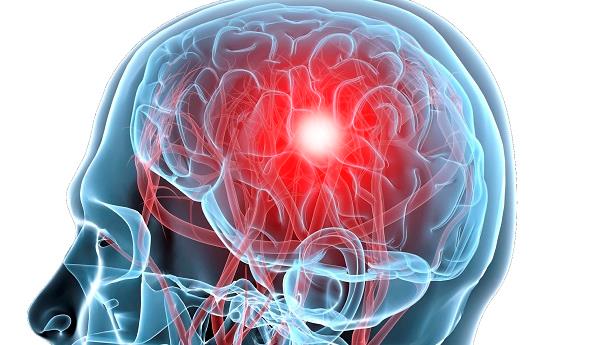
Is Baseline Concussion Testing Right For You?
November 2, 2021

Did you know there’s a test that can aid your recovery if you sustain a concussion?
Read on to get the facts about baseline testing from Michelle Gambino-Gorney, a certified athletic trainer for Henry Ford Health System.
What Is Baseline Concussion Testing?
“Baseline testing is an evaluation of your normal brain function that tests for neurocognitive abnormalities,” explains Gambino-Gorney. “We recommend baseline testing prior to the start of a sports season, before tryouts or practice.”
During baseline concussion testing, athletic trainers or physicians collect extensive information about an athlete’s brain health. They evaluate health, family history and neurocognitive function. Gambino-Gorney says that might include assessing everything from balance and reflexes to memory, vision and concentration. “If the athlete does sustain a concussion during the season, we can compare pre-injury test results to post-injury test results and find out how the injury is affecting an athlete’s brain. It helps us make the right recovery plan and determine when it’s safe for them to return to their sport.”
Myth: Concussion Baseline Testing Is Only for Football Players
While baseline testing is ideal for athletes (ages 9 and up) who play high-impact collision sports, any athlete at risk of a concussion should consider baseline testing. This includes football, lacrosse and hockey players, in addition to gymnasts, snowboarders, skateboarders and lots of other athletes.
In fact, even if you just take the occasional weekend bike ride, go jogging or lift weights, there’s no harm in having baseline test results on file. Pre-concussion screenings can also benefit people with physically demanding jobs, such as first responders, military personnel and tactical athletes.
Myth: You Only Need to Get Baseline Testing Once
Just as your joints and muscles change as you get older, your brain changes, too. It’s best to get annual baseline testing. Yearly tests help your healthcare team keep track of your brain health over time. They can spot problems or changes early, before they develop into serious issues. Ask your physician about baseline neurocognitive testing as part of your annual sports physical.
Myth: Baseline Testing Is Only Useful If You Get a Concussion
First and foremost, baseline testing tracks your physical and mental well-being. Even if you never sustain a concussion, the test is a way to stay proactive about your brain health. Gambino-Gorney explains that they can look at test results across seasons to detect changes in neurocognitive function that can indicate disorders such as:
► Anxiety
► Attention-deficit/hyperactivity disorder (ADHD)
► Depression
► Learning disabilities
Myth: Baseline Testing Diagnoses a Concussion
Baseline testing is not a diagnostic tool for concussions. It’s one piece of all the information a healthcare provider needs to determine if you sustained a mild traumatic brain injury. In addition to comprehensive neurocognitive testing, your provider assesses a broad range of concussion signs and symptoms to confirm a diagnosis after you’ve sustained an impact to your head.
To find a primary care or sports medicine specialist at Henry Ford, visit henryford.com or call 1-800-436-7936.
Michelle Gambino-Gorney is a certified athletic trainer in the Henry Ford Kutcher Clinic for Concussion and Sports Neurology.