


Did you see that? (9/17-9/23)
September 25, 2012
The crowning of a new MHSAA soccer scoring champion and some statewide showdowns in golf and volleyball headline the best of the week that was Sept. 17-23.
Soccer
Chatfield fills it up: Senior Aaron Chatfield, a forward for Burt Lake Northern Michigan Christian, scored both of his team's goals in a 7-2 loss Friday to Elk Lake, but in doing so set the MHSAA career scoring record. He now has 174 goals, two more than former record holder Soony Saad of Dearborn. (Petoskey News)
Golf
Cougars edge Bulldogs: Two-time reigning MHSAA Division 4 champion Lansing Catholic edged Brighton 327-336 at the East Lansing Invitational on Sept. 17 at Walnut Hills Country Club. There were nine ranked teams in the 17-team field. Brighton is ranked No. 2 in Division 1. Lansing Catholic's Jacqueline Setas shot a 70 to take the individual medalist honor, and two of her teammates tied for second.
Volleyball
Blue streak: Richland Gull Lake downed Portage Central in three sets to win the Portage Central Invitational's gold division and a tournament the featured four teams ranked in Class A plus reigning champion Rockford and reigning Class B champion Fruitport (in A this season). Gull Lake moved up to No. 2 in Class A from No. 4 after the weekend, and Portage Central is No. 6. (Kalamazoo Gazette)
Tennis
Ludington on the move: The Orioles have moved up from No. 8 to No. 6 in the Division 4 rankings after downing formerly-No. 2 Grosse Pointe Woods University Liggett and No. 10 Almont at Saturday's Almont Invitational. (Mlive.com)
Cross Country
Flivver flies on: Kingsford's Dan Kulas claimed the individual championship at the Stephenson Invitational on Saturday in 16:58. He's won four straight races. (Iron Mountain Daily News)
Basketball
Pershing coach steps down: Detroit Pershing boys basketball coach A.W. Canada has resigned, but will remain with the program as an assistant. The Doughboys are regularly in contention in Class A, last winning the MHSAA title in 2009 after also making the Final in 2008. (Detroit News)
Story of the Week
Spring Lake setter lifts Lakers: It's been a little more than a year since Emily Blahnik's mother Brenda suffered a horrific fall that left her with a skull fracture, brain trauma and spinal cord injuries. But with her teammates and community in continuous support, Blahnik has remained a big part of Spring Lake's volleyball program. The Grand Haven Tribune has been covering this story throughout, and Nate Thompson provides us with this update. (Grand Haven Tribune)
How To Be Proactive About Concussions In Student Athletes
December 5, 2023
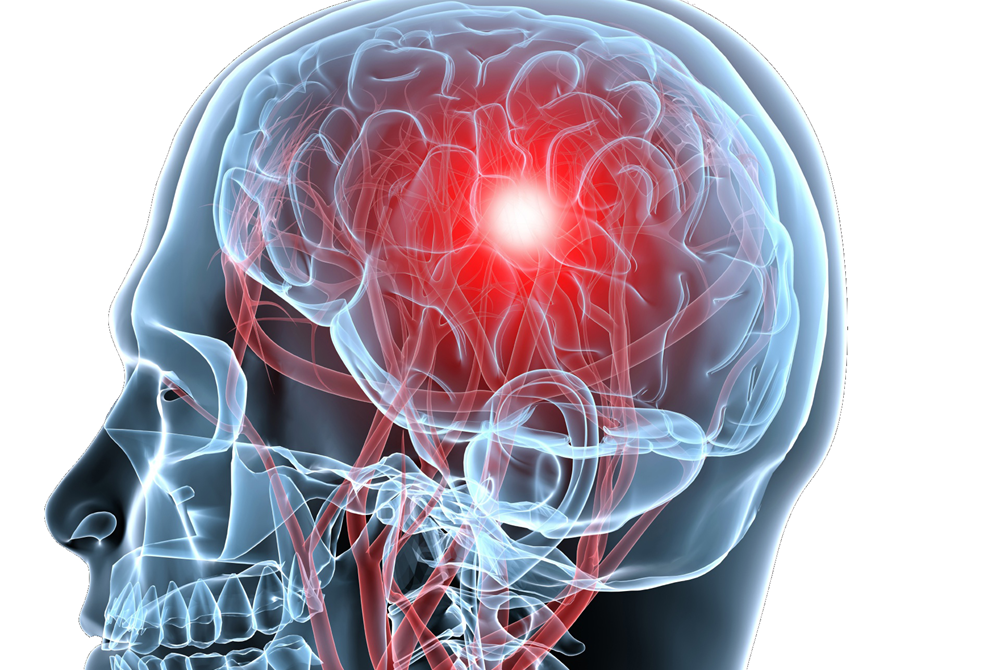
Most people have seen the headlines about concussions as a common sports injury—and it's natural that parents of athletes may have concerns. A large misconception in sports is that previous concussions are to be blamed for ongoing headaches, blurred vision and memory loss, among other symptoms.
 “It’s really important to think about concussions in tandem with overall brain health,” says Jake Carpenter-Thompson, M.D., Ph.D., a board-certified neurologist at the Henry Ford Kutcher Clinic for Concussion and Sports Neurology. “Concussions can be concerning, but they shouldn’t be looked at in a vacuum. It is important to understand an athlete’s overall brain health to help manage recovery after any impact.”
One way to do that is to consult with your child’s doctor or a sports neurologist for an annual evaluation. A sports neurologist focuses on managing sports-related brain and nervous system injuries and conditions in athletes, such as concussions, post-concussion syndrome, peripheral nerve injuries, migraines, epilepsy and more.
“Having an annual evaluation of your athlete’s brain health when they are at their baseline – and uninjured – can help diagnose and treat issues when they arise,” says Dr. Carpenter-Thompson.
A qualified healthcare professional can use the baseline evaluation results as an important comparison tool if an athlete develops a suspected concussion.
Best Practices For Keeping Athletes Safe
Dr. Carpenter-Thompson shares these tips to ensure you keep front of mind your child’s brain health and safety, not just their athletic performance:
- Get a brain health baseline test. This should include a personal and family neurological history, with a focus on current issues. It is important to note any neurological conditions that may influence concussion recovery, such as ADHD, depression, anxiety or migraine headaches.
- Encourage your children to listen to their body. There are risks to playing any sport. Encourage your child to listen to and be honest about how they’re feeling. It’s the best way to prevent and treat injuries.
- In the event of an injury, look for the signs. Within 24 hours after an injury, an athlete should be evaluated if they are experiencing: headaches, fatigue, dizziness and nausea, changes in sleep habits, trouble with memory, confusion, irritability and anxiety, or light sensitivity.
- Know that brain injuries don’t just occur with a blow to the head. They can also occur from falls, car accidents or even whiplash. If your child is experiencing any symptoms, consult your physician.
- Remember that brain health is more than just concussions. If your athlete is complaining of chronic headaches, migraines, dizziness, memory or mood issues, there may be an underlying issue.
“There is no magic number of concussions a brain can sustain. Each person is different,” says Dr. Carpenter-Thompson. “The severity of the impact and recovery time can vary greatly for numerous reasons. By getting a brain health assessment before the injury, we can provide more targeted care to improve an athlete's overall clinical course.”
To find a sports medicine doctor or athletic trainer at Henry Ford, visit henryford.com/athletes.