


Did you see that? (9/17-9/23)
September 25, 2012
The crowning of a new MHSAA soccer scoring champion and some statewide showdowns in golf and volleyball headline the best of the week that was Sept. 17-23.
Soccer
Chatfield fills it up: Senior Aaron Chatfield, a forward for Burt Lake Northern Michigan Christian, scored both of his team's goals in a 7-2 loss Friday to Elk Lake, but in doing so set the MHSAA career scoring record. He now has 174 goals, two more than former record holder Soony Saad of Dearborn. (Petoskey News)
Golf
Cougars edge Bulldogs: Two-time reigning MHSAA Division 4 champion Lansing Catholic edged Brighton 327-336 at the East Lansing Invitational on Sept. 17 at Walnut Hills Country Club. There were nine ranked teams in the 17-team field. Brighton is ranked No. 2 in Division 1. Lansing Catholic's Jacqueline Setas shot a 70 to take the individual medalist honor, and two of her teammates tied for second.
Volleyball
Blue streak: Richland Gull Lake downed Portage Central in three sets to win the Portage Central Invitational's gold division and a tournament the featured four teams ranked in Class A plus reigning champion Rockford and reigning Class B champion Fruitport (in A this season). Gull Lake moved up to No. 2 in Class A from No. 4 after the weekend, and Portage Central is No. 6. (Kalamazoo Gazette)
Tennis
Ludington on the move: The Orioles have moved up from No. 8 to No. 6 in the Division 4 rankings after downing formerly-No. 2 Grosse Pointe Woods University Liggett and No. 10 Almont at Saturday's Almont Invitational. (Mlive.com)
Cross Country
Flivver flies on: Kingsford's Dan Kulas claimed the individual championship at the Stephenson Invitational on Saturday in 16:58. He's won four straight races. (Iron Mountain Daily News)
Basketball
Pershing coach steps down: Detroit Pershing boys basketball coach A.W. Canada has resigned, but will remain with the program as an assistant. The Doughboys are regularly in contention in Class A, last winning the MHSAA title in 2009 after also making the Final in 2008. (Detroit News)
Story of the Week
Spring Lake setter lifts Lakers: It's been a little more than a year since Emily Blahnik's mother Brenda suffered a horrific fall that left her with a skull fracture, brain trauma and spinal cord injuries. But with her teammates and community in continuous support, Blahnik has remained a big part of Spring Lake's volleyball program. The Grand Haven Tribune has been covering this story throughout, and Nate Thompson provides us with this update. (Grand Haven Tribune)
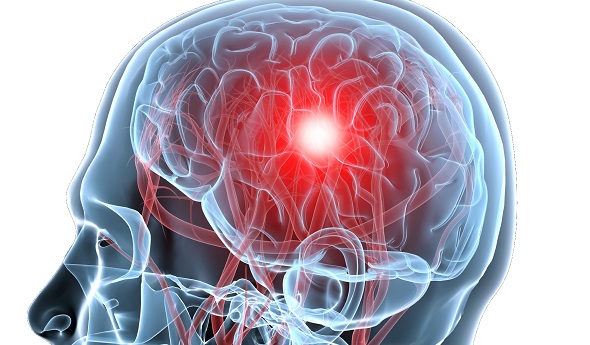
5 Concussion Myths Debunked
November 8, 2022
Awareness about the dangers of concussions is at an all-time high. In response, athletic organizations — from Pop Warner football (a nonprofit program for kids 5 to 16) to USA Hockey — have safe-play protocols in place. But misconceptions about injury — prevention, management and return to play — are still all too common.
 "It's great that parents, coaches and athletes are focused on the potential for concussions, but they also need to be aware of the complexities involved in evaluating, diagnosing and managing concussion," says Jeffrey Kutcher, M.D., a sports neurologist who treats athletes at the Henry Ford Kutcher Clinic for Concussion and Sports Neurology.
The best way to get the knowledge you need? Learn how to separate fact from fiction.
Separating Concussion Fact From Fiction
Here’s the truth behind five common concussion myths:
Myth #1: Concussions are only caused by blows to the head.
Concussions happen in response to force. While they often result from a blow to the head, they can also occur after a hit to the neck, shoulders or anywhere else on the body. To cause brain injury, the force of the impact only needs to cause the head to move rapidly back and forth (think whiplash from a car crash or a spill down the stairs).
Myth #2: Concussions always involve a loss of consciousness.
A very small percentage of all concussions, 10 percent or less, result in a loss of consciousness. For the remaining injuries, parents, coaches and medical providers should watch for additional symptoms such as:
· Confusion
· Balance problems
· Slurred speech
· Physical complaints including headache, nausea and vomiting.
Myth #3: You should keep a person awake overnight after a concussion has occurred.
It's important to observe and interact with a recently concussed person for the first few hours to recognize the potential signs of a more serious injury. However, if they are interacting normally after four hours, it’s okay to let them sleep. If you have any doubts or questions, always err on the side of caution and seek medical attention.
Myth #4: After a concussion, kids should avoid digital media until they feel better.
Unless digital activities or screen time significantly worsen symptoms, there's no reason to avoid them. "You shouldn't force people who have suffered a concussion to rest too much — or deprive them of sensory input — if they are comfortable engaging in activity," Dr. Kutcher says. What’s more, taking away activities that bring a person joy or keep them socially connected could end up prolonging their recovery by creating additional symptoms.
Myth #5: All physical activity should be avoided after a concussion.
It’s important to rest for the first two to three days after a concussion. However, you need to be careful not to rest too much or avoid all activity for too long.
Engaging in physical, mental and social activities can be beneficial. But knowing how much to do and when to take it easy can be difficult. If you have any questions, consult a sports neurologist for specific recommendations.
Ground Rules for Concussion Prevention and Management
When it comes to preventing concussion, common sense offers the greatest impact, Dr. Kutcher notes. He recommends starting with these four tenets:
- Whenever possible, limit the amount of contact in practices and games.
- Wear proper fitting and certified helmets or other head protection whenever appropriate.
- Spread contact drills out over time as much as possible.
- Practice good technique and play by the rules.
Athletes — especially those who play contact sports — should undergo an annual neurological evaluation that includes a comprehensive, focused neurological history and examination. This information provides a critical point of reference for medical professionals.
Knowing the truth about concussions — including what to watch for and what to do if one occurs — is really the best game plan.
Dr. Jeffrey Kutcher is a sports neurologist at the Henry Ford Concussion and Sports Neurology Clinic and the global director of the Kutcher Clinic.
Want to learn more? Henry Ford Health System sports medicine experts are treating the whole athlete, in a whole new way. From nutrition to neurology, and from injury prevention to treatment of sports-related conditions, they can give your athlete a unique game plan.
Visit henryford.com/sports or call (313) 972-4216 for an appointment within 24 business hours.