


Did you see that? (9/17-9/23)
September 25, 2012
The crowning of a new MHSAA soccer scoring champion and some statewide showdowns in golf and volleyball headline the best of the week that was Sept. 17-23.
Soccer
Chatfield fills it up: Senior Aaron Chatfield, a forward for Burt Lake Northern Michigan Christian, scored both of his team's goals in a 7-2 loss Friday to Elk Lake, but in doing so set the MHSAA career scoring record. He now has 174 goals, two more than former record holder Soony Saad of Dearborn. (Petoskey News)
Golf
Cougars edge Bulldogs: Two-time reigning MHSAA Division 4 champion Lansing Catholic edged Brighton 327-336 at the East Lansing Invitational on Sept. 17 at Walnut Hills Country Club. There were nine ranked teams in the 17-team field. Brighton is ranked No. 2 in Division 1. Lansing Catholic's Jacqueline Setas shot a 70 to take the individual medalist honor, and two of her teammates tied for second.
Volleyball
Blue streak: Richland Gull Lake downed Portage Central in three sets to win the Portage Central Invitational's gold division and a tournament the featured four teams ranked in Class A plus reigning champion Rockford and reigning Class B champion Fruitport (in A this season). Gull Lake moved up to No. 2 in Class A from No. 4 after the weekend, and Portage Central is No. 6. (Kalamazoo Gazette)
Tennis
Ludington on the move: The Orioles have moved up from No. 8 to No. 6 in the Division 4 rankings after downing formerly-No. 2 Grosse Pointe Woods University Liggett and No. 10 Almont at Saturday's Almont Invitational. (Mlive.com)
Cross Country
Flivver flies on: Kingsford's Dan Kulas claimed the individual championship at the Stephenson Invitational on Saturday in 16:58. He's won four straight races. (Iron Mountain Daily News)
Basketball
Pershing coach steps down: Detroit Pershing boys basketball coach A.W. Canada has resigned, but will remain with the program as an assistant. The Doughboys are regularly in contention in Class A, last winning the MHSAA title in 2009 after also making the Final in 2008. (Detroit News)
Story of the Week
Spring Lake setter lifts Lakers: It's been a little more than a year since Emily Blahnik's mother Brenda suffered a horrific fall that left her with a skull fracture, brain trauma and spinal cord injuries. But with her teammates and community in continuous support, Blahnik has remained a big part of Spring Lake's volleyball program. The Grand Haven Tribune has been covering this story throughout, and Nate Thompson provides us with this update. (Grand Haven Tribune)
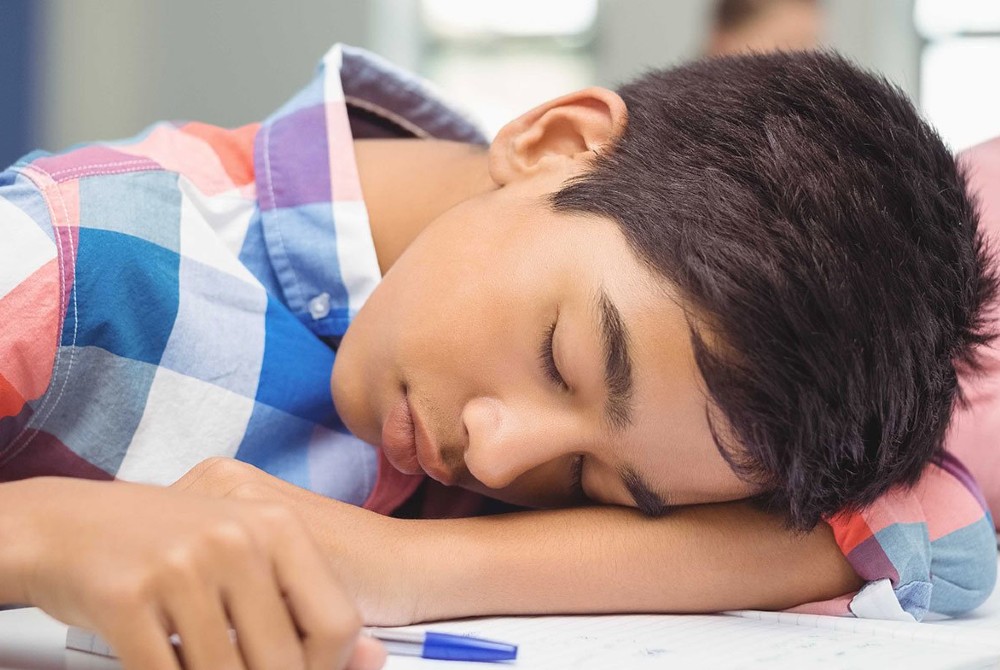
Is Your Teen Sleep-Deprived?
March 2, 2021

Many teens tend to stay up late. They’re on social media, watching television or YouTube, studying, or just tossing and turning for hours unable to fall asleep. Sleep can also be disrupted during stressful times during adolescence like exams or relationship problems.
More than two-thirds of high school students in the U.S. are failing to get sufficient sleep on school nights, according to a recent study from the Centers for Disease Control and Prevention (CDC).
“The American Academy of Sleep Medicine (AASM) recommends that teens should sleep eight to 10 hours per night on a regular basis to promote optimal health,” explains Virginia Skiba, M.D., a sleep specialist with the Henry Ford Health System. Insufficient sleep can have a negative impact on their grades, athletic performance and mental and physical well-being, including depression and anxiety issues and drug and alcohol use.
It’s a safety issue, as well. Motor vehicle crashes are a leading cause of teen deaths in the U.S. In a recent survey, more than half of teens admitted to having driven when feeling too tired and nearly one in 10 teens reported having fallen asleep at the wheel.
A typical high school student is biologically wired to fall asleep around 11 p.m. Many high schools in Michigan start school as early as 7 a.m. – long before a teen’s natural wake time. The AASM advocates a later middle school and high school start time of 8:30 a.m. or later.
Tips for a Good Night’s Sleep
Teenagers’ sleep-wake cycles are biologically determined – they are programmed to stay up late at night and sleep later in the morning. Most teens are instinctively night owls. Falling asleep is often a challenge, but there are things teens can do that may help them get a good night’s sleep.
Here are some tips from Dr. Skiba, which apply not only to teens but are great advice for anyone who is struggling with feeling sleep deprived:
► First and foremost, make sleep a priority. In our busy society, too often making time for sleep is last on the list.
► Maintain a consistent bedtime and wake time that allows at least eight hours of nightly sleep, including on weekends and vacation.
► Keep the bedroom quiet and dark. Keep the TV, computer, phone and video game system out of the bedroom.
► Set a technology curfew; turn off all devices one hour before bedtime.
► Engage in quiet activities before bed, like reading, journaling or yoga, and establish a relaxing bedtime ritual.
Dr. Virginia Skiba is a sleep medicine expert who sees patients at Henry Ford Medical Centers in Grosse Pointe and Sterling Heights.
If your teen is struggling with sleep issues, talk to your pediatrician or family doctor to find out if he or she could benefit from a sleep evaluation. Call 1-800-HENRYFORD (436-7936) or visit henryford.com to learn more.
Visit henryford.com/sports or call (313) 972-4216.