


Did you see that?
May 14, 2012
By Geoff Kimmerly
Second Half editor
It's league championship time for many MHSAA teams, especially with tennis and track and field Regionals coming up later this week. And the week that was May 7-12 provided for a good share the first of many championship-level opportunities to shine.
Tennis
Streak stopper: The Fenton tennis team ended Holly's 29-season league title run by edging the Bronchos by a point in Tuesday’s Metro League championship tournament. The Flint Journal reported that Madison Ballard became the first Fenton No. 1 singles player to win a league championship in 24 seasons. (Tri-County Times)
Softball
On the rise: Division 1 No. 5 Portage Central swept top-ranked Mattawan -- putting Portage Central ahead by two games at the top of the Southwestern Michigan Athletic Conference West standings. (Kalamazoo Gazette)
Strike 75: Fennville’s Selena Beltran-Pena had strikeouts for 25 of 30 outs in two five-inning wins over Martin. Beltran-Pena threw a no-hitter in the opener and a one-hitter in the second game. (Holland Sentinel)
Tuned up: Saginaw Swan Valley beat three ranked Division 3 teams – No. 2 Saginaw Valley Lutheran, No. 4 Tawas and No. 7 Unionville-Sebewaing – as part of a round-robin brought on by a delay at the Hemlock Invitational that forced the tournament to break up into smaller groups of games. Swan Valley is ranked No. 3 in Division 2. (Saginaw News)
Track and Field
Down to the wire: Two of the state’s best boys and girls teams compete in the O-K Red, and Friday’s conference championship meet no doubt provided at least a partial preview of next month’s MHSAA Division 1 Finals. The top-ranked Rockford girls edged No. 2-ranked East Kentwood, while the top-ranked East Kentwood boys ran away from the No. 3 Rockford boys and the rest of the field to win that league title. (Grand Rapids Press)
Record Breaker: Jackson High’s Cierra Pryor won the 100 meters and also the long jump at Friday’s Siena Heights Invitational, with her jump of 19 feet, 1.5 inches breaking a 31-year-old school record. (Jackson Citizen-Patriot)
Just getting started: Richland Gull Lake freshman Kirsten Taylor also broke her school's long jump record, which had stood since 1978, with a leap of 18-5. (Kalamazoo Gazette)
Still undefeated: Norway’s Dani Gagne had won all 24 events in which she’d competed through Friday, including winning the 100, 200, 400 and long jump at the Norway Miners Co-Ed Meet. Her long jump of 17-0.5 broke her school record in that event set a year ago, and her 58.61 in the 400 broke another school record set during the early 1980s. (Iron Mountain Daily News)
Baseball
Best of the Best: Richland Gull Lake, ranked No. 3 in Division 2, beat top-ranked Grand Rapids Christian 10-4 in the championship game of its Best of the Best Invitational. Gull Lake also beat No. 5 St. Clair during the event. (Kalamazoo Gazette)
Editor's note: Did we miss something? Comment below and tell us about it. Is there an event coming up that we should make sure to note? Comment or e-mail [email protected].
5 Concussion Myths Debunked
November 8, 2022
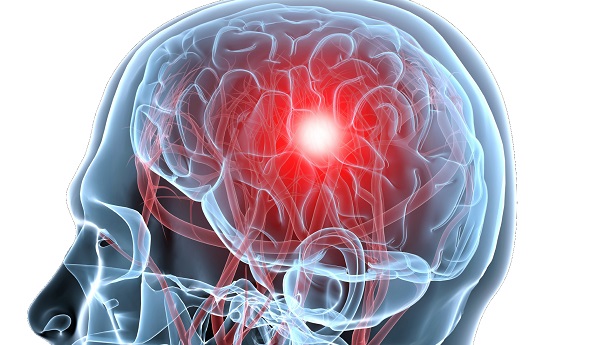
Awareness about the dangers of concussions is at an all-time high. In response, athletic organizations — from Pop Warner football (a nonprofit program for kids 5 to 16) to USA Hockey — have safe-play protocols in place. But misconceptions about injury — prevention, management and return to play — are still all too common.
 "It's great that parents, coaches and athletes are focused on the potential for concussions, but they also need to be aware of the complexities involved in evaluating, diagnosing and managing concussion," says Jeffrey Kutcher, M.D., a sports neurologist who treats athletes at the Henry Ford Kutcher Clinic for Concussion and Sports Neurology.
The best way to get the knowledge you need? Learn how to separate fact from fiction.
Separating Concussion Fact From Fiction
Here’s the truth behind five common concussion myths:
Myth #1: Concussions are only caused by blows to the head.
Concussions happen in response to force. While they often result from a blow to the head, they can also occur after a hit to the neck, shoulders or anywhere else on the body. To cause brain injury, the force of the impact only needs to cause the head to move rapidly back and forth (think whiplash from a car crash or a spill down the stairs).
Myth #2: Concussions always involve a loss of consciousness.
A very small percentage of all concussions, 10 percent or less, result in a loss of consciousness. For the remaining injuries, parents, coaches and medical providers should watch for additional symptoms such as:
· Confusion
· Balance problems
· Slurred speech
· Physical complaints including headache, nausea and vomiting.
Myth #3: You should keep a person awake overnight after a concussion has occurred.
It's important to observe and interact with a recently concussed person for the first few hours to recognize the potential signs of a more serious injury. However, if they are interacting normally after four hours, it’s okay to let them sleep. If you have any doubts or questions, always err on the side of caution and seek medical attention.
Myth #4: After a concussion, kids should avoid digital media until they feel better.
Unless digital activities or screen time significantly worsen symptoms, there's no reason to avoid them. "You shouldn't force people who have suffered a concussion to rest too much — or deprive them of sensory input — if they are comfortable engaging in activity," Dr. Kutcher says. What’s more, taking away activities that bring a person joy or keep them socially connected could end up prolonging their recovery by creating additional symptoms.
Myth #5: All physical activity should be avoided after a concussion.
It’s important to rest for the first two to three days after a concussion. However, you need to be careful not to rest too much or avoid all activity for too long.
Engaging in physical, mental and social activities can be beneficial. But knowing how much to do and when to take it easy can be difficult. If you have any questions, consult a sports neurologist for specific recommendations.
Ground Rules for Concussion Prevention and Management
When it comes to preventing concussion, common sense offers the greatest impact, Dr. Kutcher notes. He recommends starting with these four tenets:
- Whenever possible, limit the amount of contact in practices and games.
- Wear proper fitting and certified helmets or other head protection whenever appropriate.
- Spread contact drills out over time as much as possible.
- Practice good technique and play by the rules.
Athletes — especially those who play contact sports — should undergo an annual neurological evaluation that includes a comprehensive, focused neurological history and examination. This information provides a critical point of reference for medical professionals.
Knowing the truth about concussions — including what to watch for and what to do if one occurs — is really the best game plan.
Dr. Jeffrey Kutcher is a sports neurologist at the Henry Ford Concussion and Sports Neurology Clinic and the global director of the Kutcher Clinic.
Want to learn more? Henry Ford Health System sports medicine experts are treating the whole athlete, in a whole new way. From nutrition to neurology, and from injury prevention to treatment of sports-related conditions, they can give your athlete a unique game plan.
Visit henryford.com/sports or call (313) 972-4216 for an appointment within 24 business hours.