


Did you see that?
March 5, 2012
Check out our must-know scores and news from Feb. 27 - March 3.
(Click on links for coverage.)
Wrestling
We are the Champions, part 2: A group of 56 champions emerged from 896 MHSAA Individual Finals qualifiers -- including St. Johns senior Taylor Massa, who became the 16th in MHSAA history to win four individual championships and the fifth to do so while never losing a high school match. We reported both on Massa separately and on the top stories from our 13 other weight classes. (Second Half)
Competitive Cheer
New winners emerge: Southgate Anderson in Division 1 and Richmond in Division 3 won their first MHSAA cheer championships at the Grand Rapids Delta Plex; Richmond was runner-up in Division 3 last season, while Anderson improved from seventh in Division 1. Gibraltar Carlson and Michigan Center continued their recent successes by claiming the titles in Divisions 2 and 4, respectively. (Second Half D1) (Second Half D2-3-4)
Bowling
From no one to No. 1: Eight championships -- four team and four individual -- were awarded over the weekend. And for the most part, favorites prevailed. But the best stories from bowling might have been the Flat Rock girls and Mason boys, who defied expectations in emerging from unranked at the end of the regular season to win their Team Finals. (Second Half Girls Team) (Second Half Boys Team) (Second Half Girls Singles) (Second Half Boys Singles)
Girls Basketball
Unexpected East Lansing: The Trojans are regulars in the later rounds of the MHSAA Tournament. But among Lansing-area teams, Waverly was the biggest contender this winter and ranked No. 2 in Class A at the end of the regular season. But the Trojans extended a six-year postseason winning streak and avenged an early-season loss to the Warriors by winning Friday's District Final, 57-53. (Lansing State Journal)
Editor's note: Did we miss something? Comment below and tell us about it. Is there an event coming up that we should make sure to note? Comment or e-mail [email protected].
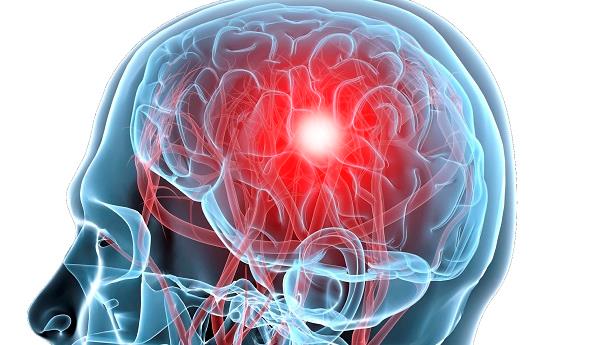
Is Baseline Concussion Testing Right For You?
November 2, 2021

Did you know there’s a test that can aid your recovery if you sustain a concussion?
Read on to get the facts about baseline testing from Michelle Gambino-Gorney, a certified athletic trainer for Henry Ford Health System.
What Is Baseline Concussion Testing?
“Baseline testing is an evaluation of your normal brain function that tests for neurocognitive abnormalities,” explains Gambino-Gorney. “We recommend baseline testing prior to the start of a sports season, before tryouts or practice.”
During baseline concussion testing, athletic trainers or physicians collect extensive information about an athlete’s brain health. They evaluate health, family history and neurocognitive function. Gambino-Gorney says that might include assessing everything from balance and reflexes to memory, vision and concentration. “If the athlete does sustain a concussion during the season, we can compare pre-injury test results to post-injury test results and find out how the injury is affecting an athlete’s brain. It helps us make the right recovery plan and determine when it’s safe for them to return to their sport.”
Myth: Concussion Baseline Testing Is Only for Football Players
While baseline testing is ideal for athletes (ages 9 and up) who play high-impact collision sports, any athlete at risk of a concussion should consider baseline testing. This includes football, lacrosse and hockey players, in addition to gymnasts, snowboarders, skateboarders and lots of other athletes.
In fact, even if you just take the occasional weekend bike ride, go jogging or lift weights, there’s no harm in having baseline test results on file. Pre-concussion screenings can also benefit people with physically demanding jobs, such as first responders, military personnel and tactical athletes.
Myth: You Only Need to Get Baseline Testing Once
Just as your joints and muscles change as you get older, your brain changes, too. It’s best to get annual baseline testing. Yearly tests help your healthcare team keep track of your brain health over time. They can spot problems or changes early, before they develop into serious issues. Ask your physician about baseline neurocognitive testing as part of your annual sports physical.
Myth: Baseline Testing Is Only Useful If You Get a Concussion
First and foremost, baseline testing tracks your physical and mental well-being. Even if you never sustain a concussion, the test is a way to stay proactive about your brain health. Gambino-Gorney explains that they can look at test results across seasons to detect changes in neurocognitive function that can indicate disorders such as:
► Anxiety
► Attention-deficit/hyperactivity disorder (ADHD)
► Depression
► Learning disabilities
Myth: Baseline Testing Diagnoses a Concussion
Baseline testing is not a diagnostic tool for concussions. It’s one piece of all the information a healthcare provider needs to determine if you sustained a mild traumatic brain injury. In addition to comprehensive neurocognitive testing, your provider assesses a broad range of concussion signs and symptoms to confirm a diagnosis after you’ve sustained an impact to your head.
To find a primary care or sports medicine specialist at Henry Ford, visit henryford.com or call 1-800-436-7936.
Michelle Gambino-Gorney is a certified athletic trainer in the Henry Ford Kutcher Clinic for Concussion and Sports Neurology.