


High 5s: More to come this fall
June 28, 2012
The end of the 2011-12 school year also signaled our final High 5s until the fall season begins.
Check back in mid-August for our first High 5s of 2012-13. Below is the list, with links, of this spring's honorees.
This spring's previous honorees
- Sarah Appold, Saginaw Valley Lutheran softball
- Katie Brozovich, Clarkston tennis
- Latipha Cross, Southfield track and field
- Sarita Dotson, Battle Creek Lakeview track and field
- Lauren Hooker, East Grand Rapids lacrosse
- Drake Johnson, Ann Arbor Pioneer track and field
- Bailey LaFreniere, Ishpeming Westwood golf
- Megan Manninen, Ishpeming Westwood golf
- Jake McFadden, Clare track and field
- Sami Michell, Reed City track and field
- Mike Nagy, Manistique golf
- Cullen Prena, Walled Lake Central track and field
- Erika Southworth, Decatur softball
- Nick Stiles, Bath baseball
- Josh Vyletel, Howell baseball
- Malloy Weber, Northville soccer
- Zack Zingsheim, Lansing Catholic track and field
- Garret Zuk, White Lake Lakeland track and field
- Birmingham Seaholm tennis
- Dansville softball
- Detroit Western International baseball
- Grand Rapids West Catholic golf
- Grandville Calvin Christian soccer
- Grosse Pointe South girls track and field
- Muskegon Mona Shores golf
- Remus Chippewa Hills girls track and field
- Richland Gull Lake baseball
- Stevensville Lakeshore softball
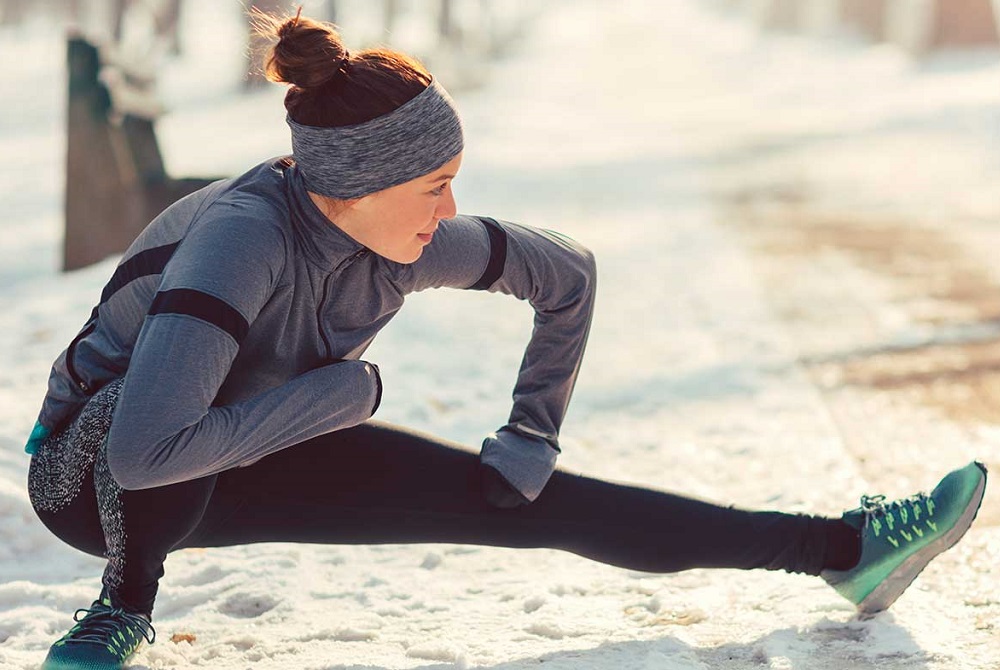
6 Tips for the Best Cold-Weather Workout
December 6, 2022
With temperatures getting colder, it may be tempting to get back to the gym.
 But it’s still possible to get your exercise outdoors if you prepare properly to counter the chillier conditions that accompany living in Michigan this time of year.
Winter Weather Workout Tips
While cold air can make it challenging to breathe, our bodies adjust to reduced temperatures over time. The key thing to watch for is hypothermia (dangerously low body heat).
"Viruses are more likely to attack our bodies if we're in a cold state," says Ramsey Shehab, M.D., a sports medicine specialist at Henry Ford Health. "If your internal body temperature drops significantly, it can suppress your immune system and make you more vulnerable to infection."
The good news: Adopting these six strategies can help ensure your outdoor workouts are safe and effective.
Check the forecast. Know what the outdoor weather is and plan accordingly. Pay attention to the temperature, wind and moisture level. If temps dip below zero, the wind chill is extreme, or it's raining or snowing, exercising outside can be risky.
Dress in layers. Dressing too warmly can increase your risk of overheating (even in frigid air). Instead, dress in layers so you can remove layers as you warm up. "The innermost layer should be made of moisture-wicking material," Dr. Shehab says. "The middle layer should have thermal protection like wool or fleece, and the outermost layer should be waterproof and breathable to protect you from wind, rain and sleet." If you get wet and moisture soaks through your clothing, you may not be able to keep your core body temperature up.
Pay attention to your hands, feet and head. When you're engaged in a heart-pumping workout, blood flows to your core, leaving your fingers, toes and head vulnerable to the cold. Wear a hat, gloves and warm socks. If it's especially chilly, consider wearing a scarf.
Take time to warm up (and cool down). Instead of leaving your cozy house and launching straight into a sprint, take time to warm up your major muscle groups. "Your joints may be stiffer when it's cold, so warming up and stretching out is especially important during the winter months," Dr. Shehab says.
Stay hydrated. People tend to think more about dehydration during the summer months, but you can get dehydrated in the winter, too. "Proper hydration before, during and after exercise is very important, not just to maintain health and well-being, but also to stave off infection," Dr. Shehab says.
Take a vitamin D supplement. Even though you're exercising outdoors, sunlight is in low supply in Michigan during the winter. To keep your immune system humming, consider taking a vitamin D supplement. "Making sure you have sufficient vitamin D can enhance your bone health, boost your immune system and keep your hormones in balance," Dr. Shehab says.
Get Savvy About Outdoor Workouts
Frigid temperatures can create obstacles for even the most enthusiastic exercisers. While it's tempting to table exercise until warmer weather returns, there are things you can do to make outdoor — and indoor — workouts more enjoyable.
You don't have to stick to the same routine of running, walking and circuit training. Take advantage of the winter chill to participate in activities like ice skating, sledding, hiking, skiing and cross-country skiing. You can even take interval workouts outdoors. Climb stairs, hike up hills or just play with a kettlebell in the snow.
"Exercise is medicine," Dr. Shehab says. "It can sometimes replace medication for people who have diabetes, hypertension and other chronic conditions. It's good for the mind and the body, and it can help stave off infections, including COVID-19."
The caveat: Working out, outdoors or indoors, is not recommended for people who are currently battling the coronavirus. Instead, it's important to preserve your energy. Once your symptoms begin to improve, you can gradually increase your exercise level.
To find a doctor or athletic trainer at Henry Ford, visit henryford.com or call 1-800-HENRYFORD (436-7936).
Dr. Ramsey Shehab is the deputy chief of Sports Medicine at Henry Ford Health. He sees patients at the Henry Ford Center for Athletic Medicine and Henry Ford Medical Center - Bloomfield Township.