


High 5s: More to come this fall
June 28, 2012
The end of the 2011-12 school year also signaled our final High 5s until the fall season begins.
Check back in mid-August for our first High 5s of 2012-13. Below is the list, with links, of this spring's honorees.
This spring's previous honorees
- Sarah Appold, Saginaw Valley Lutheran softball
- Katie Brozovich, Clarkston tennis
- Latipha Cross, Southfield track and field
- Sarita Dotson, Battle Creek Lakeview track and field
- Lauren Hooker, East Grand Rapids lacrosse
- Drake Johnson, Ann Arbor Pioneer track and field
- Bailey LaFreniere, Ishpeming Westwood golf
- Megan Manninen, Ishpeming Westwood golf
- Jake McFadden, Clare track and field
- Sami Michell, Reed City track and field
- Mike Nagy, Manistique golf
- Cullen Prena, Walled Lake Central track and field
- Erika Southworth, Decatur softball
- Nick Stiles, Bath baseball
- Josh Vyletel, Howell baseball
- Malloy Weber, Northville soccer
- Zack Zingsheim, Lansing Catholic track and field
- Garret Zuk, White Lake Lakeland track and field
- Birmingham Seaholm tennis
- Dansville softball
- Detroit Western International baseball
- Grand Rapids West Catholic golf
- Grandville Calvin Christian soccer
- Grosse Pointe South girls track and field
- Muskegon Mona Shores golf
- Remus Chippewa Hills girls track and field
- Richland Gull Lake baseball
- Stevensville Lakeshore softball
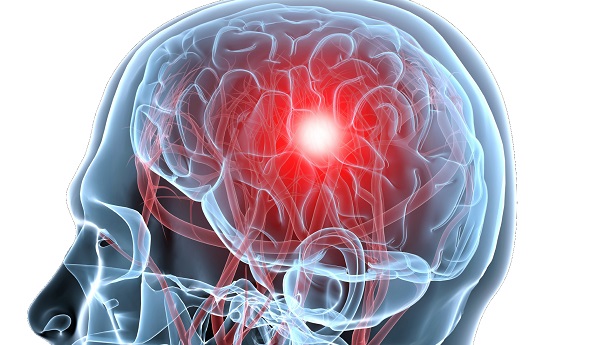
Concussion Care: Signs & Symptoms to Watch
November 1, 2022
When you experience a blow to the head, knowing whether you've suffered a concussion isn't always clear cut.
 Head injuries have a range of physical, psychological and intellectual effects — and only a small number of people lose consciousness.
"It's critical for parents, coaches, players and trainers to recognize the potential signs and symptoms of a concussion," says Jeffrey Kutcher, M.D., a sports neurologist who treats athletes at the Henry Ford Kutcher Clinic for Concussion and Sports Neurology. "The basic rule is that a concussion can affect any aspect of brain function."
Signs of Concussion
The Latin root of the word "concussion" means "to shake violently" — which makes sense. Concussions happen when there's a combination of movement and impact. So, any injury that involves a hit to the head — a fall, collision or hard hit by a heavy object — could cause one. So could a hit to the body that causes the head to move quickly.
"But every brain injury is different," Dr. Kutcher says. "Some symptoms show up right away while others develop gradually over days."
Here are common concussion symptoms to watch for — both immediately following a head injury and in the hours and days after:
Physical Concussion Symptoms
- Changes in sleep patterns
- Difficulty with balance
- Dizziness or lightheadedness
- Fatigue
- Headache
- Light sensitivity
- Nausea
- Numbness or tingling
- Sensitivity to sound
- Visual problems
- Vomiting
Emotional Concussion Symptoms
- Anxiety
- Depression
- Irritability
- Mood swings
Cognitive Concussion Symptoms
- Confusion
- Difficulty concentrating
- Feeling "slow" or "foggy"
- Memory problems
Diagnosing Concussion: Getting It Right
One reason concussions are frequently misdiagnosed is because they're assessed on the field or courtside during game play or practice. Coaches, trainers and parents often make lightning fast decisions about whether symptoms, such as headache, nausea and light sensitivity, are signs of concussion.
"Unfortunately, it’s more complicated than completing a concussion checklist. Everyone — and every concussion — is different. So, observers shouldn’t be diagnosing a head injury on the spot, but rather making a triage decision for safety. They should leave the diagnosis to the medical professionals," Dr. Kutcher says. In fact, those in-the-moment assessments are wrong about half of the time.
People should focus instead on getting immediate, emergency care for anyone who displays the following signs and symptoms right after a hit:
- Difficulty walking
- Weakness on one or both sides
- Not waking up
- Repeated vomiting
- Persistent confusion
- Seizures
- Unconsciousness
No matter how hard (or lightly) you think you've been hit, it's important to take head injury symptoms seriously. Even a seemingly minor blow could have a major impact. A complete evaluation by a medical professional will not only determine whether you have a concussion, it can also identify more serious, or even life-threatening, concerns.
"In every case, medical professionals are better equipped to assess the extent of the damage if you have a comprehensive baseline evaluation on file," Dr. Kutcher says. This thorough evaluation with a sports neurologist, including a complete family and neurological history, can act as a critical point of reference when trainers and medical professionals are trying to diagnose or manage a concussion.
Dr. Jeffrey Kutcher is a sports neurologist and the medical director of the Henry Ford Kutcher Clinic for Concussion and Sports Neurology.
Want to learn more? Henry Ford Health System sports medicine experts are treating the whole athlete, in a whole new way. From nutrition to neurology, and from injury prevention to treatment of sports-related conditions, they can give your athlete a unique game plan.
Visit henryford.com/sports or call (313) 972-4216 for an appointment within 24 business hours.