

MI Army National Guard Presents MHSAA Events
February 24, 2016
By Geoff Kimmerly
Second Half editor
Sharing in the values of leadership, sportsmanship and ethics emphasized by the Michigan High School Athletic Association, the Michigan Army National Guard is serving as the official military branch supporting MHSAA events and digital initiatives through the 2015-16 school year.
 The Michigan Army National Guard provides trained and ready forces in support of the National Military Strategy, and responds as needed to state, local, and regional emergencies to ensure peace, order, and public safety. Guardsmen typically train one weekend per month and two weeks in the summer, and soldiers are eligible for educational benefits including state and federal tuition assistance programs, the G.I. Bill and grants at Michigan colleges and universities that combined usually exceed the total cost of tuition, books and fees at most Michigan post-secondary institutions.
The Guard adds value to our communities through continuous interaction. National Guard soldiers are part of the local community. Monthly and annual summer training maintains readiness when needed, be it either to defend our nation's freedom, or protecting lives and property of Michigan citizens during a local natural disaster.
“The National Guard provides opportunities for young men and women to mature into productive citizens,” MHSAA Executive Director John E. “Jack” Roberts said. “The emphasis the Guard puts on physical fitness, leadership and doing things the right way parallels what we strive to teach in school sports.”
The Guard has served as presenter of the MHSAA Cross Country Regionals and Finals and Football Playoffs during the fall, and this winter of the MHSAA Wrestling Tournament, which will conclude with the Team Wrestling Finals hosted Feb. 26-27 at Central Michigan University’s McGuirk Arena and the Individual Wrestling Finals scheduled for March 3-5 at The Palace of Auburn Hills. Guard recruiters also have been on-site attending numerous District, Regional and additional Finals events during the first half of the 2015-16 school year.
The Guard also is featured prevalently as part of the MHSAA’s online presence on both MHSAA.com and the MHSAA mobile app, and supports the “Michigan National Guard Performance of the Week” honoring a successful student-athlete on the MHSAA’s Second Half website.
“The Michigan Army National Guard is proud to support the MHSAA and student-athletes across Michigan,” said Lt. Col. Scott L. Meyers, who serves as recruiting and retention battalion commander for the Guard. “The Guard not only plays a key role in our national defense; we have a responsibility to serve our communities during times of state emergencies. As individuals, we are stewards in our communities and have an inherent responsibility to support our community in that role. One way to do this is to encourage student-athletes to live up to the ethics, values, and positive life choices common to the MHSAA and the Michigan Army National Guard.
“The National Guard is actively seeking these student-athletes to join our team. Their dedication combined with our education benefits and leadership training will provide the tools needed for them to become future leaders of Michigan’s communities.”
Click for additional information on the Michigan Army National Guard.
The MHSAA is a private, not-for-profit corporation of voluntary membership by more than 1,400 public and private senior high schools and junior high/middle schools which exists to develop common rules for athletic eligibility and competition. No government funds or tax dollars support the MHSAA, which was the first such association nationally to not accept membership dues or tournament entry fees from schools. Member schools which enforce these rules are permitted to participate in MHSAA tournaments, which attract more than 1.4 million spectators each year.
An Athletic Trainer's Guide To Winter Sports You Should Test Out This Year
February 15, 2022

Christina Eyers, Ed.D., AT, ATC, is the Director of Athletic Training & Community Outreach with Henry Ford Sports Medicine.
With the winter Olympics kicking off, you might be wondering which (if any) winter sports are safe for you to try.
In addition to favorite pastimes like skiing, snowshoeing and ice skating, athletes in the winter Olympics are shining a light on lesser-known sports that are worth checking out if you're feeling adventurous. (Curling anyone?)
Breaking Down Winter Olympic Sports
Whether you prefer snow or ice, there are plenty of cold-weather activities that offer a heart-pumping workout — and you don't have to be an Olympic athlete to join in the fun. A bonus: Many of these activities are easy on your joints and offer cross-training benefits.
Several favorites:
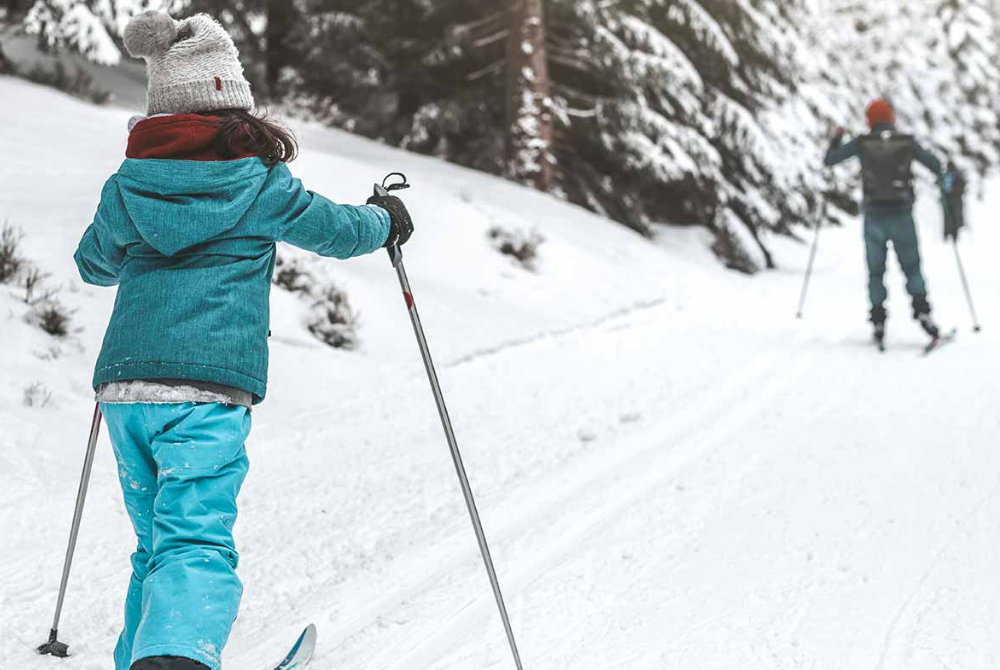
- Cross-country skiing. Cross-country skiing is a full-body, endurance pursuit similar to running. But since you're gliding through the snow, not pounding pavement, there's less stress and strain on your joints — and a lower risk of repetitive use injuries.
- Ice skating. Figure skating is among the most popular winter Olympic sports. It's also the oldest sport in the winter program. Even if you feel unsteady on ice skates (and what beginner doesn't?), taking an introductory lesson can help you glide safely while learning proper mechanics. Since falling is common for beginners, make sure you wear some extra padding and take your time as you master new maneuvers.
- Curling. A unique Olympic sport, curling is like shuffleboard on ice. While it may be one of the slower sports in the winter games, it's also a great game to play on the ice with your family.
- Skiing. Skiing is a fun activity for the whole family. But if you're an amateur skier, it's critical to be realistic about your abilities. Don't be afraid to take ski lessons to get the basics under your belt. A ski instructor not only gauges your skill level, but can also direct you to the slopes that are the best fit for your experience.
- Snowboarding. One of the newer Olympic sports on the circuit, snowboarding was first included at the 1998 Winter Olympics in Nagano, Japan. But since its introduction, snowboarding has become one of the most popular sports in the Games — and for winter recreation among nonathletes.
No matter which winter sports you choose, make sure you have appropriate equipment that fits. Winter sports gear can get pricey, but try secondhand stores or even rent equipment for weekend use. Just make sure to ask the experts for advice on things like length of skis, boots, bindings, figure skates or hockey skates. Most importantly, make sure to always wear a helmet for activities such as skiing and snowboarding (kids should wear helmets when ice skating too!).
Cold-Weather Sports Caveats
Winter sports can be engaging for everyone, no matter what their age or skill level. You can use the Olympics as inspiration or try one of the many non-Olympic sports that get your heart pumping during colder months. A few favorites:
► Sledding. Tubing and sledding require you to climb up the hill in order to ride your way down. Toboggan runs and sledding hills are a great way to enjoy local parks during the wintertime — and they're fun for the whole family.
► Snowshoeing. Like walking on sand, snowshoeing requires you to navigate uneven surfaces, which helps strengthen your leg and glute muscles.
► Hiking. If the weather is on the mild side, don't be afraid to get outdoors and explore. With newer materials and textiles, it's easier than ever to dress warmly and remove layers as you work your way up a hill or mountain.
Whatever winter activity you choose, keep in mind you’re not competing in the Olympics. If you’ve been mostly sedentary, it's important to start slow. Gradually increase your activity level and be sure to wear appropriate safety gear.To find a primary care or sports medicine specialist at Henry Ford, visit henryford.com or call 1-800-436-7936.