


Get Prepped for a Fantastic Finale
May 24, 2013
By Geoff Kimmerly
Second Half editor
We love this time of year. And not just because school is nearly out for summer.
There’s little argument that the week ahead is the most exciting of each MHSAA school year. And you’ll want to set your bookmarks for MHSAA.com and Second Half for updated results and coverage not just next week – but through the rest of this spring season.
 The MHSAA.com Score Center is our home for scores from all District softball, baseball and soccer games, which begin Tuesday. You also can view real-time brackets for every District by going to the “Sports” page for each, and updated brackets for lacrosse by visiting our girls and boys pages for that sport as well.
In the Lower Peninsula, we’ll have same day or next morning results as golf Districts are played, and first-day results from next weekend’s Girls Tennis Finals on May 31 – followed by final results at the conclusion of play June 1. We’ll post Finals results for Upper Peninsula golf and tennis as we receive them Wednesday and Thursday, and then results for all seven Lower and Upper Peninsula Track and Field Finals as they come in June 1.
But results are only the start. As we have during the fall and winter, Second Half will provide coverage including photos from every MHSAA Final – beginning with Wednesday’s Upper Peninsula Girls and Boys Golf and Boys Tennis Finals. Keep an eye on Second Half throughout the week, or follow the Second Half feed on the cover page of MHSAA.com.
Transfer rule clarification
We released Monday the actions our Representative Council took earlier this month at its Spring Meeting, including an addition to the athletics-related portion of our transfer rule. Based on some questions we’ve received and read, here’s some further explanation of what will be installed for 2014-15:
The longer period of ineligibility for athletes who transfer because of athletics is not new. This has previously existed for cases in which a school could prove that it lost a student to another school purely for sports-related reasons.
What’s new is what must be proven and by whom for the longer ineligibility period to take effect. Now, a school that lost a student does not have to file a report with the MHSAA for the case to be considered. As long as one of a set of offending activities can be verified – including practicing, competing or training with a member of the new school’s coaching staff during summer or non-school sports activities or seasons – that student will have to sit 180 days instead of the usual period of roughly a semester. The 15 exemptions that allow a student to be eligible immediately – like making a full move to a new district or a student’s school closing – may still apply.
So, to conclude: The longer athletics-related ineligibility period is not new, just how athletics-related transfers are considered and reported. Click to read the full release.
Kickoff is coming
And that means we’re collecting varsity football schedules.
In fact, we have most of them thanks to our athletic directors, their secretaries, coaches and many others who chip in to help us keep complete and accurate information throughout the season.
But there are still plenty of steps in getting ready for August – and a huge one is locking down correct leagues for our teams this season, especially as schools continue to switch things up.
Check out your school’s schedule page by click on the “Schools” button in the menu bar at the top of MHSAA.com and searching for your school. Once on the school page, click the blue “Boys” button next to football. The schedule will appear in the middle of the page, with standings to the left.
See an error in a schedule or the standings? Email me at [email protected]. I thank you in advance.
Kramer’s words of wisdom
Long before Roy Kramer served as athletic director at Vanderbilt University, commissioner of the Southeastern Conference and creator of the Bowl Championship Series (BCS) for Division I college football, he coached multiple sports at East Lansing High School.
He recently was named winner of this year’s Duffy Daugherty Award, given in honor of the former Michigan State University coach to a valued coach or contributor to college football. The award, presented in East Lansing, is among those recognized by the College Football Hall of Fame.
Kramer finished his acceptance speech with a stirring endorsement of the sport that brought the crowd of more than 300 to its feet. If you’re a fan, former or current player or coach, see below.
PHOTO: Athletes race toward the finish of a relay during this spring's Alma College Invitational. (Click to see more at HighSchoolsSportsScene.com.)
5 Concussion Myths Debunked
November 8, 2022
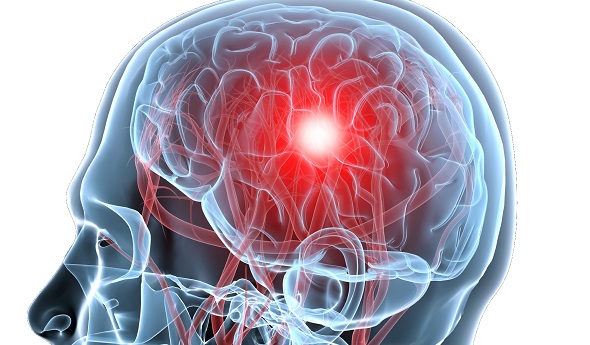
Awareness about the dangers of concussions is at an all-time high. In response, athletic organizations — from Pop Warner football (a nonprofit program for kids 5 to 16) to USA Hockey — have safe-play protocols in place. But misconceptions about injury — prevention, management and return to play — are still all too common.
 "It's great that parents, coaches and athletes are focused on the potential for concussions, but they also need to be aware of the complexities involved in evaluating, diagnosing and managing concussion," says Jeffrey Kutcher, M.D., a sports neurologist who treats athletes at the Henry Ford Kutcher Clinic for Concussion and Sports Neurology.
The best way to get the knowledge you need? Learn how to separate fact from fiction.
Separating Concussion Fact From Fiction
Here’s the truth behind five common concussion myths:
Myth #1: Concussions are only caused by blows to the head.
Concussions happen in response to force. While they often result from a blow to the head, they can also occur after a hit to the neck, shoulders or anywhere else on the body. To cause brain injury, the force of the impact only needs to cause the head to move rapidly back and forth (think whiplash from a car crash or a spill down the stairs).
Myth #2: Concussions always involve a loss of consciousness.
A very small percentage of all concussions, 10 percent or less, result in a loss of consciousness. For the remaining injuries, parents, coaches and medical providers should watch for additional symptoms such as:
· Confusion
· Balance problems
· Slurred speech
· Physical complaints including headache, nausea and vomiting.
Myth #3: You should keep a person awake overnight after a concussion has occurred.
It's important to observe and interact with a recently concussed person for the first few hours to recognize the potential signs of a more serious injury. However, if they are interacting normally after four hours, it’s okay to let them sleep. If you have any doubts or questions, always err on the side of caution and seek medical attention.
Myth #4: After a concussion, kids should avoid digital media until they feel better.
Unless digital activities or screen time significantly worsen symptoms, there's no reason to avoid them. "You shouldn't force people who have suffered a concussion to rest too much — or deprive them of sensory input — if they are comfortable engaging in activity," Dr. Kutcher says. What’s more, taking away activities that bring a person joy or keep them socially connected could end up prolonging their recovery by creating additional symptoms.
Myth #5: All physical activity should be avoided after a concussion.
It’s important to rest for the first two to three days after a concussion. However, you need to be careful not to rest too much or avoid all activity for too long.
Engaging in physical, mental and social activities can be beneficial. But knowing how much to do and when to take it easy can be difficult. If you have any questions, consult a sports neurologist for specific recommendations.
Ground Rules for Concussion Prevention and Management
When it comes to preventing concussion, common sense offers the greatest impact, Dr. Kutcher notes. He recommends starting with these four tenets:
- Whenever possible, limit the amount of contact in practices and games.
- Wear proper fitting and certified helmets or other head protection whenever appropriate.
- Spread contact drills out over time as much as possible.
- Practice good technique and play by the rules.
Athletes — especially those who play contact sports — should undergo an annual neurological evaluation that includes a comprehensive, focused neurological history and examination. This information provides a critical point of reference for medical professionals.
Knowing the truth about concussions — including what to watch for and what to do if one occurs — is really the best game plan.
Dr. Jeffrey Kutcher is a sports neurologist at the Henry Ford Concussion and Sports Neurology Clinic and the global director of the Kutcher Clinic.
Want to learn more? Henry Ford Health System sports medicine experts are treating the whole athlete, in a whole new way. From nutrition to neurology, and from injury prevention to treatment of sports-related conditions, they can give your athlete a unique game plan.
Visit henryford.com/sports or call (313) 972-4216 for an appointment within 24 business hours.