

Get Prepped for a Fantastic Finale
May 24, 2013
By Geoff Kimmerly
Second Half editor
We love this time of year. And not just because school is nearly out for summer.
There’s little argument that the week ahead is the most exciting of each MHSAA school year. And you’ll want to set your bookmarks for MHSAA.com and Second Half for updated results and coverage not just next week – but through the rest of this spring season.
 The MHSAA.com Score Center is our home for scores from all District softball, baseball and soccer games, which begin Tuesday. You also can view real-time brackets for every District by going to the “Sports” page for each, and updated brackets for lacrosse by visiting our girls and boys pages for that sport as well.
In the Lower Peninsula, we’ll have same day or next morning results as golf Districts are played, and first-day results from next weekend’s Girls Tennis Finals on May 31 – followed by final results at the conclusion of play June 1. We’ll post Finals results for Upper Peninsula golf and tennis as we receive them Wednesday and Thursday, and then results for all seven Lower and Upper Peninsula Track and Field Finals as they come in June 1.
But results are only the start. As we have during the fall and winter, Second Half will provide coverage including photos from every MHSAA Final – beginning with Wednesday’s Upper Peninsula Girls and Boys Golf and Boys Tennis Finals. Keep an eye on Second Half throughout the week, or follow the Second Half feed on the cover page of MHSAA.com.
Transfer rule clarification
We released Monday the actions our Representative Council took earlier this month at its Spring Meeting, including an addition to the athletics-related portion of our transfer rule. Based on some questions we’ve received and read, here’s some further explanation of what will be installed for 2014-15:
The longer period of ineligibility for athletes who transfer because of athletics is not new. This has previously existed for cases in which a school could prove that it lost a student to another school purely for sports-related reasons.
What’s new is what must be proven and by whom for the longer ineligibility period to take effect. Now, a school that lost a student does not have to file a report with the MHSAA for the case to be considered. As long as one of a set of offending activities can be verified – including practicing, competing or training with a member of the new school’s coaching staff during summer or non-school sports activities or seasons – that student will have to sit 180 days instead of the usual period of roughly a semester. The 15 exemptions that allow a student to be eligible immediately – like making a full move to a new district or a student’s school closing – may still apply.
So, to conclude: The longer athletics-related ineligibility period is not new, just how athletics-related transfers are considered and reported. Click to read the full release.
Kickoff is coming
And that means we’re collecting varsity football schedules.
In fact, we have most of them thanks to our athletic directors, their secretaries, coaches and many others who chip in to help us keep complete and accurate information throughout the season.
But there are still plenty of steps in getting ready for August – and a huge one is locking down correct leagues for our teams this season, especially as schools continue to switch things up.
Check out your school’s schedule page by click on the “Schools” button in the menu bar at the top of MHSAA.com and searching for your school. Once on the school page, click the blue “Boys” button next to football. The schedule will appear in the middle of the page, with standings to the left.
See an error in a schedule or the standings? Email me at [email protected]. I thank you in advance.
Kramer’s words of wisdom
Long before Roy Kramer served as athletic director at Vanderbilt University, commissioner of the Southeastern Conference and creator of the Bowl Championship Series (BCS) for Division I college football, he coached multiple sports at East Lansing High School.
He recently was named winner of this year’s Duffy Daugherty Award, given in honor of the former Michigan State University coach to a valued coach or contributor to college football. The award, presented in East Lansing, is among those recognized by the College Football Hall of Fame.
Kramer finished his acceptance speech with a stirring endorsement of the sport that brought the crowd of more than 300 to its feet. If you’re a fan, former or current player or coach, see below.
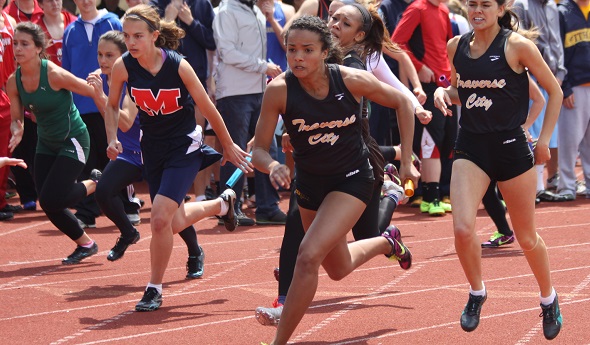
PHOTO: Athletes race toward the finish of a relay during this spring's Alma College Invitational. (Click to see more at HighSchoolsSportsScene.com.)
An Athletic Trainer's Guide To Winter Sports You Should Test Out This Year
February 15, 2022

Christina Eyers, Ed.D., AT, ATC, is the Director of Athletic Training & Community Outreach with Henry Ford Sports Medicine.
With the winter Olympics kicking off, you might be wondering which (if any) winter sports are safe for you to try.
In addition to favorite pastimes like skiing, snowshoeing and ice skating, athletes in the winter Olympics are shining a light on lesser-known sports that are worth checking out if you're feeling adventurous. (Curling anyone?)
Breaking Down Winter Olympic Sports
Whether you prefer snow or ice, there are plenty of cold-weather activities that offer a heart-pumping workout — and you don't have to be an Olympic athlete to join in the fun. A bonus: Many of these activities are easy on your joints and offer cross-training benefits.
Several favorites:
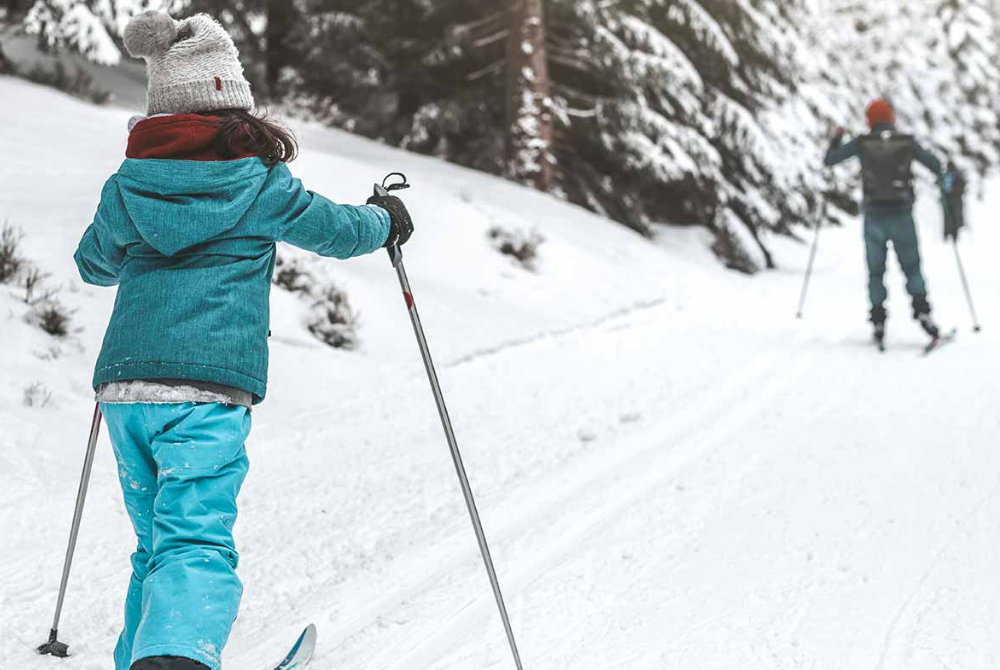
- Cross-country skiing. Cross-country skiing is a full-body, endurance pursuit similar to running. But since you're gliding through the snow, not pounding pavement, there's less stress and strain on your joints — and a lower risk of repetitive use injuries.
- Ice skating. Figure skating is among the most popular winter Olympic sports. It's also the oldest sport in the winter program. Even if you feel unsteady on ice skates (and what beginner doesn't?), taking an introductory lesson can help you glide safely while learning proper mechanics. Since falling is common for beginners, make sure you wear some extra padding and take your time as you master new maneuvers.
- Curling. A unique Olympic sport, curling is like shuffleboard on ice. While it may be one of the slower sports in the winter games, it's also a great game to play on the ice with your family.
- Skiing. Skiing is a fun activity for the whole family. But if you're an amateur skier, it's critical to be realistic about your abilities. Don't be afraid to take ski lessons to get the basics under your belt. A ski instructor not only gauges your skill level, but can also direct you to the slopes that are the best fit for your experience.
- Snowboarding. One of the newer Olympic sports on the circuit, snowboarding was first included at the 1998 Winter Olympics in Nagano, Japan. But since its introduction, snowboarding has become one of the most popular sports in the Games — and for winter recreation among nonathletes.
No matter which winter sports you choose, make sure you have appropriate equipment that fits. Winter sports gear can get pricey, but try secondhand stores or even rent equipment for weekend use. Just make sure to ask the experts for advice on things like length of skis, boots, bindings, figure skates or hockey skates. Most importantly, make sure to always wear a helmet for activities such as skiing and snowboarding (kids should wear helmets when ice skating too!).
Cold-Weather Sports Caveats
Winter sports can be engaging for everyone, no matter what their age or skill level. You can use the Olympics as inspiration or try one of the many non-Olympic sports that get your heart pumping during colder months. A few favorites:
► Sledding. Tubing and sledding require you to climb up the hill in order to ride your way down. Toboggan runs and sledding hills are a great way to enjoy local parks during the wintertime — and they're fun for the whole family.
► Snowshoeing. Like walking on sand, snowshoeing requires you to navigate uneven surfaces, which helps strengthen your leg and glute muscles.
► Hiking. If the weather is on the mild side, don't be afraid to get outdoors and explore. With newer materials and textiles, it's easier than ever to dress warmly and remove layers as you work your way up a hill or mountain.
Whatever winter activity you choose, keep in mind you’re not competing in the Olympics. If you’ve been mostly sedentary, it's important to start slow. Gradually increase your activity level and be sure to wear appropriate safety gear.To find a primary care or sports medicine specialist at Henry Ford, visit henryford.com or call 1-800-436-7936.