


Class D Schools Set Multi-Sport Participation Record, Overall Rate Remains Steady
By
Geoff Kimmerly
MHSAA.com senior editor
September 22, 2026
The MHSAA's eighth Multi-Sport Participation Survey, conducted last spring for the 2025-26 school year, showed just more than 45 percent of athletes at member high schools participated in more than one sport – for the most part consistent with past findings although the state’s smallest schools posted a record high rate of athletes playing more than one sport.
The annual Multi-Sport Participation Survey was inspired by the MHSAA’s Task Force on Multi-Sport Participation, which was appointed in 2016 to study early and intense sport specialization – a serious issue related to health and safety at all levels of youth sports – and to promote multi-sport participation as a way to help stave off overuse injuries and burnout among athletes that have been tied to chronic injuries and health-related problems later in life.
The 2025-26 Multi-Sport Participation Survey received responses from 73.8 percent of member high schools and showed 45.3 percent of athletes at those MHSAA member high schools participating in two or more sports, an almost identical percentage as in 2024-25. For 2025-26, 47.5 percent of male athletes and 42.6 percent of female athletes played multiple sports, again percentages nearly identical to the previous school year. The percentage of multi-sport athletes remains inversely proportional to schools’ enrollments, as Class D schools – the state's smallest – again enjoyed the highest percentage of multi-sport athletes at 64.2 percent, followed by Class C schools (59.5), Class B (49.0) and Class A (38.4).
Results for Class A, B and C schools have remained consistent over the lifetime of the multi-sport participation survey, showing small increases over the years but not overwhelming changes. However, Class D multi-sport participation reached a high in 2025-26, with that 64.2 percent of athletes participating in at least two sports an increase of 6.1 percent since 2017-18. During that time, Class A multi-sport participation is up 3.0 percent, Class B is up 2.3 and Class C is up 4.3.
Battle Creek Harper Creek and Grand Rapids Northview have appeared among the top 10 percent of their respective Classes (A/B/C/D) for multi-sport participation seven of the eight years the survey has been conducted. Three more schools have appeared among the top 10 percent of their respective Classes six of the eight years – Decatur, Detroit Cody and Warren Michigan Collegiate – while East Grand Rapids, Lake Leelanau St. Mary, Manton and Parma Western have appeared among the top 10 percent of their Classes five times apiece.
In Class A, Harper Creek (73.2 percent) posted the highest percentage of multi-sport athletes for 2025-26, followed by Saginaw United (72.7), Harper Woods (72.1) and Macomb L’Anse Creuse North (65.9) also reporting at least 65 percent of athletes playing multiple sports.
Detroit Denby led Class B schools at 83.6 percent of athletes playing more than one sport, followed by Warren Michigan Collegiate (83.3), Ecorse (78.1), Detroit Osborn (75.6), Dearborn Heights Robichaud (76.2) and Flint Hamady (76.1) all topping 75 percent. In Class C, Detroit Community reported all 72 of its athletes played multiple sports during the 2025-26 school year, followed by Galesburg-Augusta (82.7 percent), Kingston (82.1), Niles Brandywine (80.7) and Martin (80.4) reaching 80 percent.
Watersmeet also reported all 27 of its athletes were multi-sport participants, followed in Class D by Lake Leelanau St. Mary (95.5 percent), Carney-Nadeau (94.8), Onekama (92.5) and Atlanta (90.9) reaching 90 percent.
The full summary report on the Multi-Sport Participation Survey is available on the “Multi-Sports Benefits” page.
How To Be Proactive About Concussions In Student Athletes
December 5, 2023
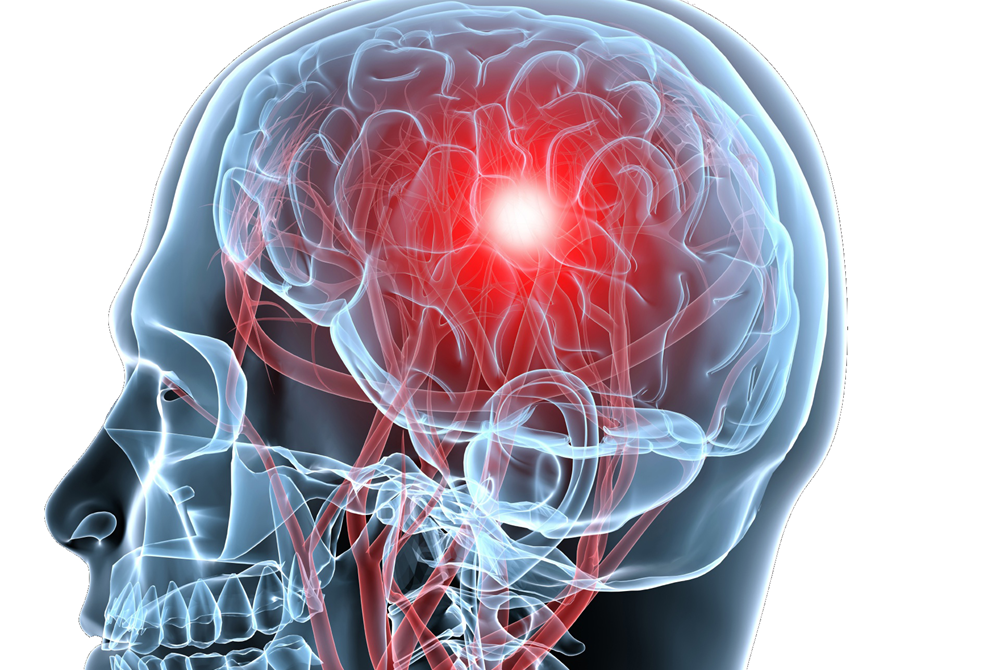
Most people have seen the headlines about concussions as a common sports injury—and it's natural that parents of athletes may have concerns. A large misconception in sports is that previous concussions are to be blamed for ongoing headaches, blurred vision and memory loss, among other symptoms.
 “It’s really important to think about concussions in tandem with overall brain health,” says Jake Carpenter-Thompson, M.D., Ph.D., a board-certified neurologist at the Henry Ford Kutcher Clinic for Concussion and Sports Neurology. “Concussions can be concerning, but they shouldn’t be looked at in a vacuum. It is important to understand an athlete’s overall brain health to help manage recovery after any impact.”
One way to do that is to consult with your child’s doctor or a sports neurologist for an annual evaluation. A sports neurologist focuses on managing sports-related brain and nervous system injuries and conditions in athletes, such as concussions, post-concussion syndrome, peripheral nerve injuries, migraines, epilepsy and more.
“Having an annual evaluation of your athlete’s brain health when they are at their baseline – and uninjured – can help diagnose and treat issues when they arise,” says Dr. Carpenter-Thompson.
A qualified healthcare professional can use the baseline evaluation results as an important comparison tool if an athlete develops a suspected concussion.
Best Practices For Keeping Athletes Safe
Dr. Carpenter-Thompson shares these tips to ensure you keep front of mind your child’s brain health and safety, not just their athletic performance:
- Get a brain health baseline test. This should include a personal and family neurological history, with a focus on current issues. It is important to note any neurological conditions that may influence concussion recovery, such as ADHD, depression, anxiety or migraine headaches.
- Encourage your children to listen to their body. There are risks to playing any sport. Encourage your child to listen to and be honest about how they’re feeling. It’s the best way to prevent and treat injuries.
- In the event of an injury, look for the signs. Within 24 hours after an injury, an athlete should be evaluated if they are experiencing: headaches, fatigue, dizziness and nausea, changes in sleep habits, trouble with memory, confusion, irritability and anxiety, or light sensitivity.
- Know that brain injuries don’t just occur with a blow to the head. They can also occur from falls, car accidents or even whiplash. If your child is experiencing any symptoms, consult your physician.
- Remember that brain health is more than just concussions. If your athlete is complaining of chronic headaches, migraines, dizziness, memory or mood issues, there may be an underlying issue.
“There is no magic number of concussions a brain can sustain. Each person is different,” says Dr. Carpenter-Thompson. “The severity of the impact and recovery time can vary greatly for numerous reasons. By getting a brain health assessment before the injury, we can provide more targeted care to improve an athlete's overall clinical course.”
To find a sports medicine doctor or athletic trainer at Henry Ford, visit henryford.com/athletes.