

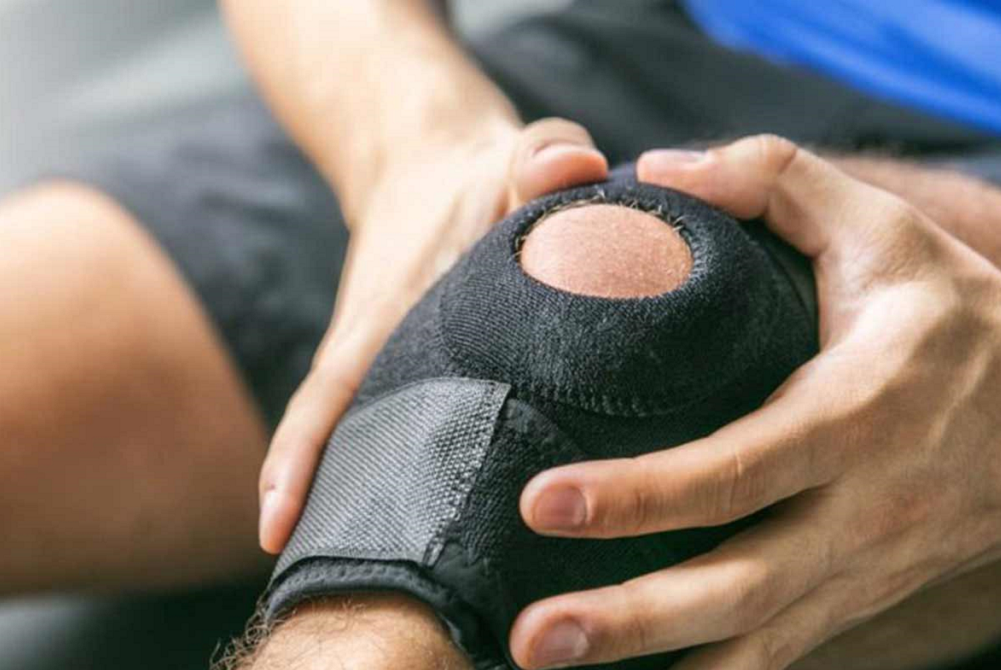
Summer Is Peak Time For Outdoor Sports Injuries
June 6, 2023
Summertime is the ideal time for outdoor activities like boating, swimming, barbecues and picnicking. It’s also ripe for sports injuries, says Nancy White, M.D., a Henry Ford Health sports medicine physician.
 “We encourage people of all ages to get outside and take advantage of all the activities available during the summer. It’s very important, though, that people keep safety top of mind to reduce their risk of injury,” Dr. White says.
Dr. White counts these as the five most common injuries:
- Sprains and strains
- Fractures
- Trampoline injuries
- Bike injuries
- Overuse injuries
“Trampoline injuries are mostly caused by jumping, either by an awkward landing or colliding with someone,” Dr. White says. “Overuse injuries happen when someone overextends themselves in a particular activity, whether it’s attending multiple sports camps or simply exercising outdoors.”
Dr. White recommends these three tips for reducing your risk of injury:
- Stay hydrated. Replenish your fluid intake with frequent water breaks.
- Perform warm-up exercises before your run or your game.
- Wear protective gear. Whether bike riding, rollerblading or skateboarding, a helmet and protective pads are a must. Obey traffic laws and store your phone away.
For soft-tissue injuries strains and sprains, Dr. White says the R.I.C.E. method is an immediate at-home treatment you can apply to reduce swelling and pain. It stands for Rest, Ice, Compression and Elevation. Over-the-counter anti-inflammatory medicine, such as ibuprofen (like Advil) or acetaminophen (like Tylenol), can help too.
If the pain worsens to the point that it interferes with your usual activities or sleep, make an appointment with your doctor or a sports medicine doctor.
Seek medical attention immediately if your pain was caused by a particularly forceful impact, you suspect a broken bone, or if the injury is accompanied by:
- Significant swelling
- Redness
- Tenderness and warmth around the joint
- Significant pain
- Fever
For injuries that don’t improve and require medical attention, visit henryford.com/sports and request an appointment with a Henry Ford sports medicine doctor.
Dr. Nancy White is a sports medicine doctor seeing patients at Henry Ford Medical Center-Columbus in Novi and at the William Clay Ford Center for Athletic Medicine in midtown Detroit.
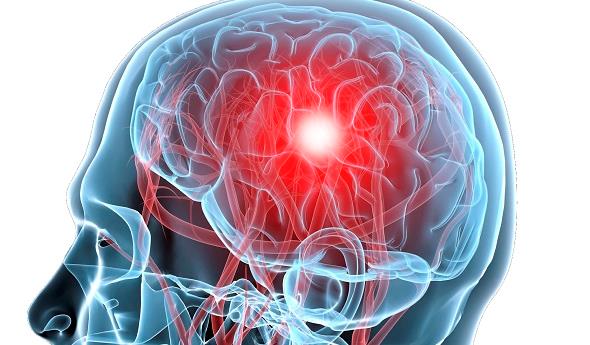
Is Baseline Concussion Testing Right For You?
November 2, 2021

Did you know there’s a test that can aid your recovery if you sustain a concussion?
Read on to get the facts about baseline testing from Michelle Gambino-Gorney, a certified athletic trainer for Henry Ford Health System.
What Is Baseline Concussion Testing?
“Baseline testing is an evaluation of your normal brain function that tests for neurocognitive abnormalities,” explains Gambino-Gorney. “We recommend baseline testing prior to the start of a sports season, before tryouts or practice.”
During baseline concussion testing, athletic trainers or physicians collect extensive information about an athlete’s brain health. They evaluate health, family history and neurocognitive function. Gambino-Gorney says that might include assessing everything from balance and reflexes to memory, vision and concentration. “If the athlete does sustain a concussion during the season, we can compare pre-injury test results to post-injury test results and find out how the injury is affecting an athlete’s brain. It helps us make the right recovery plan and determine when it’s safe for them to return to their sport.”
Myth: Concussion Baseline Testing Is Only for Football Players
While baseline testing is ideal for athletes (ages 9 and up) who play high-impact collision sports, any athlete at risk of a concussion should consider baseline testing. This includes football, lacrosse and hockey players, in addition to gymnasts, snowboarders, skateboarders and lots of other athletes.
In fact, even if you just take the occasional weekend bike ride, go jogging or lift weights, there’s no harm in having baseline test results on file. Pre-concussion screenings can also benefit people with physically demanding jobs, such as first responders, military personnel and tactical athletes.
Myth: You Only Need to Get Baseline Testing Once
Just as your joints and muscles change as you get older, your brain changes, too. It’s best to get annual baseline testing. Yearly tests help your healthcare team keep track of your brain health over time. They can spot problems or changes early, before they develop into serious issues. Ask your physician about baseline neurocognitive testing as part of your annual sports physical.
Myth: Baseline Testing Is Only Useful If You Get a Concussion
First and foremost, baseline testing tracks your physical and mental well-being. Even if you never sustain a concussion, the test is a way to stay proactive about your brain health. Gambino-Gorney explains that they can look at test results across seasons to detect changes in neurocognitive function that can indicate disorders such as:
► Anxiety
► Attention-deficit/hyperactivity disorder (ADHD)
► Depression
► Learning disabilities
Myth: Baseline Testing Diagnoses a Concussion
Baseline testing is not a diagnostic tool for concussions. It’s one piece of all the information a healthcare provider needs to determine if you sustained a mild traumatic brain injury. In addition to comprehensive neurocognitive testing, your provider assesses a broad range of concussion signs and symptoms to confirm a diagnosis after you’ve sustained an impact to your head.
To find a primary care or sports medicine specialist at Henry Ford, visit henryford.com or call 1-800-436-7936.
Michelle Gambino-Gorney is a certified athletic trainer in the Henry Ford Kutcher Clinic for Concussion and Sports Neurology.