


Irish Celebrate Homecoming Sky High
October 4, 2013
By Geoff Kimmerly
Second Half editor
You’ve got to see this – from high in the sky – to believe it.
The disappointing news for Pontiac Notre Dame Prep from its Homecoming game last Friday was that the Fighting Irish fell to Detroit Catholic League AA leader Detroit Loyola by seven points.
 But the Irish will remember fondly (and probably click on frequently) the video of this sky high view of the game including the team’s entrance to the field.
Thanks to a camera attached to a helicopter-like apparatus flown by local Aerial Imagery Works, Notre Dame was able to capture a rarely-seen view. See more by watching the brief video embedded at the bottom of this post.
SLC-TV Rolls 300
It's fair to assume few television stations in Michigan have been as dedicated to the local football team as South Lyon's SLC-TV, which will celebrate a milestone broadcast Oct. 11 when South Lyon faces South Lyon East.
SLC-TV has followed South Lyon football home and away games for 31 years and will broadcast its 300th game that night. SLC-TV’s games appear on WOW network channel 19 and Comcast Southfield channel 90, which reaches 33 communities in metro Detroit.
Sports director Tedd Wallace will have done play-by-play for 298 of those games, and said he believes no station in America has done TV broadcasts of a team’s home and away games as consistently. Check out more about the network’s weekly work on its Facebook page.
Friendly gesture to opponent in need
One of the most heart-warming parts of following high school sports is experiencing the camaraderie among athletes from opposing teams they likely know nothing about except for what they learn during competition.
Concord’s volleyball team shined especially brightly in this way last week.
Amazingly, Union City junior Marissa Mead played in her team’s match against Concord on Sept. 24 despite her home being destroyed by a fire that morning. As told by the Jackson Citizen-Patriot’s Leanne Smith, Concord’s players had heard about the tragic event and were surprised to then see Mead take her place as defensive specialist that night.
On the bus ride home, the Concord players decided they needed to do something to help Mead and her family. As a team, the players collected $80 – and then pushed the total to $300 with the help of teachers, parents and administrators. They delivered the funds in a card to Mead at Union City’s home match two days later.
It’s a gesture that might seem small, but speaks loudly to the awesome way our athletes relate to each other not just on, but off the court as well. Click to read the entire report.
Official of the Year
Marcy Weston, Central Michigan University’s Executive Associate Director of Athletics/Sports Administration and a longtime contributor to MHSAA officiating initiatives, has been named the Naismith Women’s College Official of the Year.
Weston spoke at the 2001 MHSAA Officials Banquet and has served as part of the association's officials committee and with the National Federation of State High School Associations as a liaison to its Basketball Rules Committee.
She also served as NCAA national coordinator of women’s basketball officiating from 1991-2005 after working as a women’s college basketball official from 1964-84. Click to read more from CMUChippewas.com.
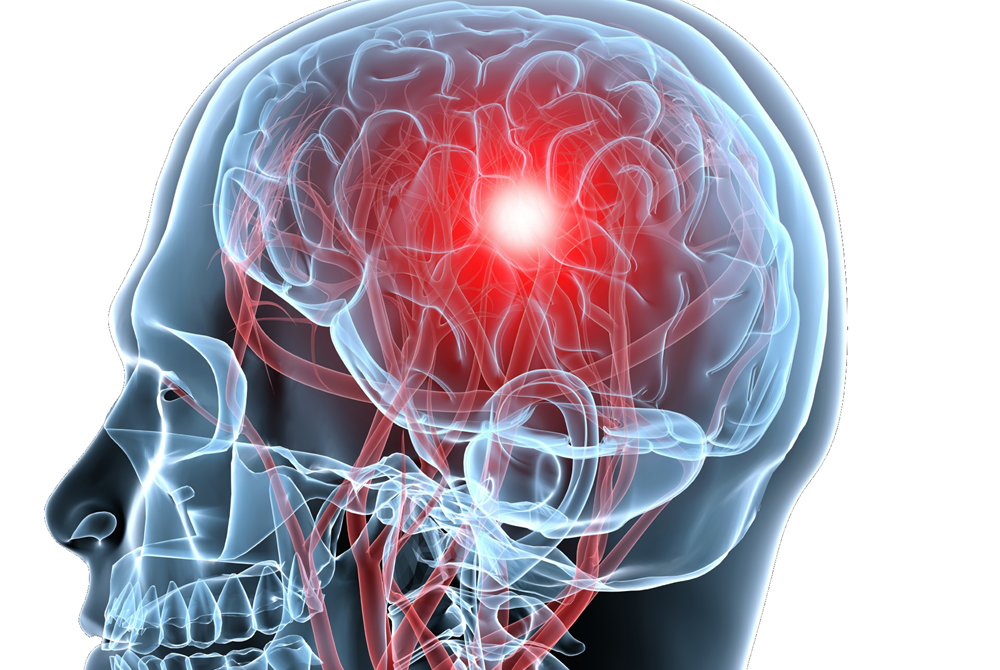
How To Be Proactive About Concussions In Student Athletes
December 5, 2023
Most people have seen the headlines about concussions as a common sports injury—and it's natural that parents of athletes may have concerns. A large misconception in sports is that previous concussions are to be blamed for ongoing headaches, blurred vision and memory loss, among other symptoms.
 “It’s really important to think about concussions in tandem with overall brain health,” says Jake Carpenter-Thompson, M.D., Ph.D., a board-certified neurologist at the Henry Ford Kutcher Clinic for Concussion and Sports Neurology. “Concussions can be concerning, but they shouldn’t be looked at in a vacuum. It is important to understand an athlete’s overall brain health to help manage recovery after any impact.”
One way to do that is to consult with your child’s doctor or a sports neurologist for an annual evaluation. A sports neurologist focuses on managing sports-related brain and nervous system injuries and conditions in athletes, such as concussions, post-concussion syndrome, peripheral nerve injuries, migraines, epilepsy and more.
“Having an annual evaluation of your athlete’s brain health when they are at their baseline – and uninjured – can help diagnose and treat issues when they arise,” says Dr. Carpenter-Thompson.
A qualified healthcare professional can use the baseline evaluation results as an important comparison tool if an athlete develops a suspected concussion.
Best Practices For Keeping Athletes Safe
Dr. Carpenter-Thompson shares these tips to ensure you keep front of mind your child’s brain health and safety, not just their athletic performance:
- Get a brain health baseline test. This should include a personal and family neurological history, with a focus on current issues. It is important to note any neurological conditions that may influence concussion recovery, such as ADHD, depression, anxiety or migraine headaches.
- Encourage your children to listen to their body. There are risks to playing any sport. Encourage your child to listen to and be honest about how they’re feeling. It’s the best way to prevent and treat injuries.
- In the event of an injury, look for the signs. Within 24 hours after an injury, an athlete should be evaluated if they are experiencing: headaches, fatigue, dizziness and nausea, changes in sleep habits, trouble with memory, confusion, irritability and anxiety, or light sensitivity.
- Know that brain injuries don’t just occur with a blow to the head. They can also occur from falls, car accidents or even whiplash. If your child is experiencing any symptoms, consult your physician.
- Remember that brain health is more than just concussions. If your athlete is complaining of chronic headaches, migraines, dizziness, memory or mood issues, there may be an underlying issue.
“There is no magic number of concussions a brain can sustain. Each person is different,” says Dr. Carpenter-Thompson. “The severity of the impact and recovery time can vary greatly for numerous reasons. By getting a brain health assessment before the injury, we can provide more targeted care to improve an athlete's overall clinical course.”
To find a sports medicine doctor or athletic trainer at Henry Ford, visit henryford.com/athletes.