

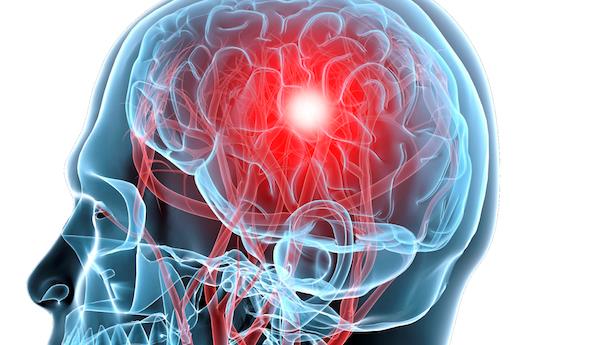
MHSAA Announces 2016-17 Concussion Data
August 7, 2017
By Geoff Kimmerly
Second Half editor
The Michigan High School Athletic Association has completed its second year of collecting head injury reports from member schools as it continues to build data that will assist in identifying trends and progress being made to reduce the incidence of head injuries in school sports.
Following a first mandate to do so in 2015-16, member schools again were required to report head injuries to the MHSAA identifying the sport that each student-athlete was participating in and whether the injury was sustained during practice or competition. As reporting for the 2017-18 school year is now underway, schools again are required to designate if potential concussions occur during competition or practice and at which level – varsity, junior varsity or freshman.
The full report of all head injuries experienced during 2016-17 by student-athletes at MHSAA member high schools – including percentages by sport (per 1,000 participants), gender and team level, as well as data tracking when athletes returned to play – is available on the Health & Safety page of the MHSAA Website.
As with the first year of reporting, the MHSAA received data from more than 99 percent of its member high schools after the fall, winter and spring seasons and continued to track each injury report through its conclusion this summer. Member junior high and middle schools also were allowed, although not mandated, to report their potential head injuries; and those findings are not part of the published report.
The 2016-17 concussion report found an 11-percent decrease in the number of confirmed concussions from the previous year. Student-athletes at MHSAA member high schools encountered during 2016-17 a total of 3,958 head injuries – or 5.2 per member school, similar but lower than the 2015-16 average of 5.9. Total participation in MHSAA sports for 2016-17 was 283,625 – with students counted once for each sport he or she played – and only 1.4 percent of participants experienced a head injury; that percentage in 2015-16 was 1.6.
However, MHSAA Executive Director John E. “Jack” Roberts said that while it’s significant to note the similarity in those statistics over the first two years of injury report collection, the lower percentages in 2016-17 don’t necessarily represent a trend – that conclusion can only be made after more data is collected in years to come. Some differences in data from the first year to the second could be the result of schools’ increased familiarity with the reporting system, the refinement of the follow-up reporting procedure and other survey error that is expected to decrease with future surveys.
“Our first survey in 2015-16 raised some initial themes, and the data we collected this past year and will continue to collect will help us identify the trends that will guide our next steps in reducing head injuries in interscholastic athletics,” Roberts said. “However, the necessity for more data to determine these trends should not delay our efforts to experiment with more head protection and modified play and practice rules in contact sports like ice hockey, soccer, wrestling and lacrosse – which all ranked among the top 10 sports for numbers of head injuries per thousand participants.
“We will continue to look for ways to make our good games better and our healthy games safer, and the collection of this data will continue to prove key as we work toward those goals.”
Although the total number of confirmed concussions was significantly lower in 2016-17, a number of findings detailing those injuries fell in line with results of the 2015-16 survey.
Boys experienced 2,607 – or 66 percent – of those injuries, nearly the same ratio as 2015-16 and as boys participation in sports, especially contact sports, remained higher than girls. More than half of head injuries – 55 percent – were experienced by varsity athletes, which also fell within a percent difference of last year’s findings.
A total of 2,973 head injuries – or 65 percent – came in competition as opposed to practice. More than half took place during either the middle of practice or middle of competition as opposed to the start or end, and 52 percent of injuries were a result of person-to-person contact. The largest percentage of athletes – 27 percent – returned to activity after 6 to 10 days, while 23 percent of those who suffered head injuries returned after 11-15 days of rest. All of these findings were within 1-4 percent of those discovered from the 2015-16 data.
Contact sports again revealed the most head injuries. Ranking first was football, 11 and 8-player combined, with 44 head injuries per 1,000 participants – a decrease of five head injuries per 1,000 participants from 2015-16. Ice hockey repeated with the second-most injuries per 1,000, with 36 (down two injuries per 1,000 from 2015-16), and girls soccer was again third with 28 head injuries per 1,000 participants (also down two from the previous year).
In fact, after football and hockey, four of the next five sports to show the highest incidences of head injuries were girls sports – girls soccer followed by girls basketball (23 per 1,000), girls competitive cheer (22) and girls lacrosse (20). Although girls basketball again showed the fifth-highest ratio, it did see a decline of six injuries per 1,000 participants from 2015-16.
Startling indications of another potential trend were seen again in the number of reported head injuries suffered by girls and boys playing the same sports. Soccer, basketball and baseball/softball are played under identical or nearly identical rules. Just as in 2015-16, females in those sports reported significantly more concussions than males playing the same or similar sport.
Female soccer players reported double the concussions per 1,000 participants as male soccer players, while female basketball players reported nearly triple the number of concussions per 1,000 participants (23 to 8). Softball players reported 11 concussions per 1,000 participants, and baseball players reported four per 1,000. The numbers from all three comparisons remained consistent from what the survey found in 2015-16.
It is the hope that Michigan’s universities, health care systems and the National Federation of State High School Associations will take part in analyzing the data and questions that have arisen during the past two years. Michigan State University’s Institute for the Study of Youth Sports submitted a paper titled “Gender Differences in Youth Sports Concussion” based on the 2015-16 results, and that subject will remain closely monitored in 2017-18 and beyond.
“The Institute’s research concluded that there is merit for believing females may be more susceptible than males to having concussions because of structural differences to the neck and head, and also due to neurological differences in the brains of females and males. But the findings also show merit for believing females may be more honest in reporting concussions,” Roberts said.
“We need to find out why. Are girls just more willing to report the injury? Are boys hiding it? These are some of our most important questions moving forward, and they will be critical in our efforts to educate athletes, their parents and coaches on the importance of reporting and receiving care for these injuries immediately.”
Schools report possible concussions online via the MHSAA Website. Reports are then examined by members of the MHSAA staff, who follow up with school administrators as those student-athletes continue to receive care and eventually return to play. Student privacy is protected.
The reporting of possible concussions is part of a three-pronged advance by the MHSAA in concussion care begun during the 2015-16 school year. The MHSAA completed this past spring (2017) the largest-ever state high school association sideline concussion testing pilot program, with a sample of schools from across the state over the last two years using one of two screening tests designed to detect concussions. The second year of the pilot program (2016-17) allowed participating schools to use the sideline detection tests in all sports but mandated they be used in sports (11 total over three seasons) showing the highest prevalence of concussions.
The MHSAA also was the first state association to provide all participants at every member high school and junior high/middle school with insurance intended to pay accident medical expense benefits – covering deductibles and co-pays left unpaid by other policies – resulting from head injuries sustained during school practices or competitions and at no cost to either schools or families. During 2016-17, a total of 139 claims were made – 20 fewer than in 2015-16 – with football (44) and girls basketball (27) the sports most cited in those claims for the second straight year.
Previously, the MHSAA also was among the first state associations to adopt a return-to-play protocol that keeps an athlete out of activity until at least the next day after a suspected concussion, and allows that athlete to return to play only after he or she has been cleared unconditionally for activity by a doctor (M.D. or D.O.), physician’s assistant or nurse practitioner.
In addition, the MHSAA’s Coaches Advancement Program – which includes courses that must be completed by all varsity head coaches hired for the first time at a member school – has augmented for this fall its already substantial instruction on concussion care. Separately, rules meetings that are required viewing for all varsity and subvarsity head and assistant coaches at the start of each season include detailed training on caring for athletes with possible head injuries.
The MHSAA is a private, not-for-profit corporation of voluntary membership by more than 1,400 public and private senior high schools and junior high/middle schools which exists to develop common rules for athletic eligibility and competition. No government funds or tax dollars support the MHSAA, which was the first such association nationally to not accept membership dues or tournament entry fees from schools. Member schools which enforce these rules are permitted to participate in MHSAA tournaments, which attract more than 1.4 million spectators each year.

MHSAA Provides Update on 2025 Football Playoff Hopefuls, Bracket Reveal Schedule
By
Geoff Kimmerly
MHSAA.com senior editor
October 23, 2025
Here is a list of Michigan High School Athletic Association football playing schools, displaying their win-loss records and playoff averages through the eighth week of the season, plus information on this season's MHSAA Playoffs bracket and Finals schedule announcements.
Schools on this list are divided by division and ordered by playoff average. The top 32 teams by playoff average in each 11-player division and top 16 teams by playoff average in each 8-player division will qualify for the MHSAA Football Playoffs beginning Oct. 31. Divisions were determined prior to the start of the season, and the lists below include not only teams currently positioned to potentially qualify, but also the next eight teams in each division.
To review a list of all football playoff schools, individual school playoff point details and to report errors, visit the Football Playoff Point Summary page.
The announcement of the qualifiers and first-round pairings for both the 11 and 8-player playoffs will take place at 5 p.m. Sunday, Oct. 26, on the “Selection Sunday Show” on the NFHS Network. A subscription is not required to watch the Selection Sunday Show.
The playoff qualifiers and pairings will be posted to the MHSAA Website following the Selection Sunday Show, and times and dates will be added Monday, Oct. 27.
The MHSAA Football Playoffs conclude with the 8-Player Finals on Nov. 22 at Northern Michigan University’s Superior Dome and 11-Player Finals to be played Nov. 28 and 30 at Ford Field.
11-Player Division 1
1. Clarkston, 7-1, 83.125
2. Hudsonville, 8-0, 82.000
3. Detroit Catholic Central, 8-0, 76.661
4. Grand Blanc, 8-0, 76.625
5. Saline, 7-1, 75.875
6. Belleville, 7-1, 74.500
7. Howell, 7-1, 72.875
7. Rochester Adams, 6-2, 72.875
7. Rockford, 6-2, 72.875
10. Detroit Cass Tech, 8-0, 72.500
11. Brownstown Woodhaven, 7-1, 70.750
12. Oxford, 6-2, 70.000
13. Romeo, 6-2, 69.875
14. Brighton, 6-2, 68.250
15. West Bloomfield, 6-2, 67.750
16. Davison, 7-1, 67.375
17. East Kentwood, 6-2, 67.000
18. Dearborn Fordson, 6-2, 66.250
19. Farmington, 6-2, 65.875
20. Macomb Dakota, 6-2, 64.625
21. Northville, 6-2, 63.750
22. Utica, 6-2, 63.375
23. Grand Ledge, 6-2, 62.000
24. Rochester Hills Stoney Creek, 5-3, 58.750
25. Utica Eisenhower, 5-3, 57.375
26. Sterling Heights Stevenson, 5-3, 57.125
27. Grandville, 4-4, 54.125
28. Jenison, 4-4, 53.375
29. Hartland, 4-4, 52.500
30. Dearborn, 4-4, 50.500
31. Salem, 4-4, 50.250
32. Ann Arbor Huron, 4-4, 49.625
33. Rochester, 4-4, 48.875
34. Kalamazoo Central, 5-3, 48.500
35. Caledonia, 3-5, 44.286
36. Novi, 3-5, 44.250
37. Ann Arbor Pioneer, 3-5, 43.750
38. Livonia Stevenson, 3-5, 43.625
39. Holt, 4-4, 43.250
40. Walled Lake Northern, 3-5, 42.375
11-Player Division 2
1. South Lyon, 8-0, 75.875
2. Dexter, 7-1, 73.875
3. Gibraltar Carlson, 8-0, 73.375
4. Portage Central, 8-0, 72.500
5. Grosse Pointe South, 7-1, 70.125
6. Midland Dow, 7-1, 66.750
7. Walled Lake Western, 6-2, 65.875
8. Port Huron Northern, 6-2, 65.625
9. Livonia Franklin, 6-2, 64.750
10. Muskegon, 6-2, 64.458
11. White Lake Lakeland, 6-2, 64.375
12. St. Clair Shores Lakeview, 6-2, 61.125
13. Byron Center, 5-3, 59.875
14. North Farmington, 5-3, 59.500
15. Portage Northern, 6-2, 59.179
16. Warren Cousino, 6-2, 59.125
17. Orchard Lake St. Mary's, 5-2, 58.893
18. Birmingham Groves, 5-3, 55.000
18. Birmingham Seaholm, 5-3, 55.000
20. Lansing Everett, 5-3, 54.875
20. Traverse City Central, 5-3, 54.875
22. Lincoln Park, 5-3, 53.500
23. Allen Park, 5-3, 53.250
24. Traverse City West, 4-4, 52.500
25. Roseville, 4-4, 52.000
25. Temperance Bedford, 4-4, 52.000
27. Muskegon Mona Shores, 5-3, 51.875
28. Waterford Mott, 4-4, 51.000
29. East Lansing, 3-5, 49.000
30. Grand Rapids Northview, 5-3, 48.875
31. Milford, 4-4, 47.250
32. Bloomfield Hills Brother Rice, 4-4, 47.161
33. South Lyon East, 4-4, 47.125
34. Warren Mott, 4-4, 46.875
35. Midland, 4-4, 45.000
36. Dearborn Heights Crestwood, 5-3, 44.375
37. Saginaw Heritage, 3-5, 43.000
38. Ferndale, 4-4, 41.875
39. Southgate Anderson, 3-5, 41.750
40. Battle Creek Central, 4-4, 41.625
40. Berkley, 4-4, 41.625
40. Oak Park, 3-5, 41.625
11-Player Division 3
1. DeWitt, 8-0, 76.458
2. Mount Pleasant, 8-0, 75.000
3. Gaylord, 8-0, 65.625
4. Niles, 8-0, 65.000
5. Grand Rapids Kenowa Hills, 7-1, 64.750
6. Warren Fitzgerald, 7-1, 63.750
7. Adrian, 7-1, 58.500
7. East Grand Rapids, 6-2, 58.500
9. Detroit Martin Luther King, 5-3, 57.667
10. Cedar Springs, 7-1, 57.500
11. Ypsilanti Lincoln, 6-2, 56.875
12. Port Huron, 5-3, 56.250
13. Hastings, 6-2, 56.000
13. Lowell, 6-2, 56.000
15. Fenton, 5-3, 55.625
16. Mason, 5-3, 53.625
16. St. Joseph, 5-3, 53.625
18. Zeeland West, 6-2, 53.125
19. Holly, 5-3, 52.500
20. Marysville, 6-2, 51.125
21. Redford Thurston, 6-2, 50.625
22. Zeeland East, 5-3, 50.250
23. Coldwater, 6-2, 49.375
24. Linden, 6-2, 49.125
24. Middleville Thornapple Kellogg, 5-3, 49.125
26. Trenton, 4-4, 48.250
27. Marquette, 5-3, 48.000
28. Riverview, 6-2, 45.750
29. Coopersville, 4-4, 45.500
30. Warren De La Salle Collegiate, 3-5, 44.929
31. Owosso, 5-3, 44.875
32. Bay City John Glenn, 5-3, 42.625
33. Bay City Western, 3-5, 41.375
34. Fruitport, 4-4, 40.875
35. Petoskey, 4-4, 40.125
36. Stevensville Lakeshore, 3-5, 38.000
37. Ypsilanti Community, 3-5, 37.500
38. Jackson Northwest, 3-5, 36.125
39. Grand Rapids Forest Hills Central, 2-6, 35.375
40. River Rouge, 2-6, 35.292
11-Player Division 4
1. Harper Woods, 8-0, 84.750
2. Williamston, 8-0, 65.375
3. Goodrich, 8-0, 64.875
4. Hudsonville Unity Christian, 8-0, 64.750
5. Chelsea, 7-1, 63.750
6. Battle Creek Harper Creek, 7-1, 61.625
7. Haslett, 6-2, 58.125
8. Escanaba, 7-1, 57.750
9. Dearborn Divine Child, 7-1, 57.042
10. Portland, 8-0, 56.000
11. Ludington, 8-0, 54.375
12. Redford Union, 6-2, 52.625
13. Wyoming Godwin Heights, 7-1, 52.375
14. Madison Heights Lamphere, 5-3, 51.875
15. Center Line, 7-1, 51.250
15. Paw Paw, 5-3, 51.250
17. Big Rapids, 7-1, 51.125
18. Edwardsburg, 6-2, 50.375
19. Vicksburg, 5-3, 48.875
20. Grand Rapids South Christian, 4-4, 47.625
21. Freeland, 6-2, 47.375
22. Tecumseh, 5-3, 47.000
23. Macomb Lutheran North, 7-1, 45.625
24. Grand Rapids Christian, 5-3, 45.500
25. Harper Woods Chandler Park, 6-2, 44.250
26. Spring Lake, 5-3, 43.750
26. Three Rivers, 4-4, 43.750
28. St. Johns, 4-4, 42.500
29. Lansing Sexton, 5-3, 42.250
30. St. Clair, 5-3, 41.750
31. Ortonville Brandon, 4-4, 39.000
32. Fowlerville, 4-4, 38.875
33. Holland Christian, 4-4, 38.750
34. Detroit Henry Ford, 4-4, 37.500
35. Lake Fenton, 3-5, 37.375
36. Croswell-Lexington, 4-4, 36.750
37. Clio, 4-4, 35.875
38. Otsego, 3-5, 35.542
39. Charlotte, 4-4, 35.500
40. Sparta, 3-5, 34.500
11-Player Division 5
1. Grand Rapids Catholic Central, 8-0, 72.475
2. Grand Rapids West Catholic, 7-1, 58.625
3. Pontiac Notre Dame Prep, 6-2, 55.375
4. Frankenmuth, 7-1, 55.250
5. Romulus Summit Academy North, 7-1, 54.375
6. Saginaw Swan Valley, 7-1, 53.500
7. Richmond, 7-1, 53.125
8. Ogemaw Heights, 7-1, 52.250
9. Ann Arbor Father Gabriel Richard, 8-0, 51.736
10. Monroe Jefferson, 7-1, 51.625
11. Detroit Southeastern, 6-2, 50.250
12. Armada, 6-2, 46.750
13. Whitehall, 5-3, 45.000
14. Clare, 6-2, 44.000
15. Michigan Center, 8-0, 43.875
16. Kingsford, 6-2, 43.444
17. Berrien Springs, 5-1, 43.375
18. Detroit Denby, 6-2, 42.667
19. Flat Rock, 5-3, 41.750
20. Gladwin, 5-3, 41.500
21. Howard City Tri County, 5-3, 40.875
22. Kalamazoo Hackett Catholic Prep, 6-2, 40.542
23. Muskegon Oakridge, 5-3, 40.250
24. Dowagiac, 5-3, 40.167
25. Romulus, 4-4, 39.500
26. Negaunee, 5-3, 39.194
27. Detroit Cody, 5-3, 38.250
28. Wyoming Kelloggsville, 5-3, 37.375
29. Yale, 4-4, 36.125
30. Whitmore Lake, 6-2, 36.054
31. Shepherd, 5-3, 36.000
32. Hopkins, 4-4, 35.625
33. Hazel Park, 5-3, 35.375
34. Detroit Voyageur College Prep, 4-4, 34.625
35. Lake Odessa Lakewood, 3-5, 32.125
36. Muskegon Orchard View, 4-4, 31.375
37. Alma, 3-5, 30.750
37. Cheboygan, 3-5, 30.750
39. Midland Bullock Creek, 4-4, 30.500
40. Birch Run, 4-4, 29.125
11-Player Division 6
1. Almont, 8-0, 59.375
2. Jackson Lumen Christi, 5-3, 56.042
3. Detroit Edison, 7-1, 53.000
4. Belding, 7-1, 52.375
5. Olivet, 7-1, 49.625
6. Kent City, 8-0, 48.500
6. Marine City, 6-2, 48.500
8. Montrose, 8-0, 45.750
9. Reed City, 6-2, 45.500
10. Kingsley, 6-2, 45.000
11. Traverse City St. Francis, 6-2, 43.446
12. Flint Hamady, 6-2, 42.375
13. Ecorse, 6-2, 41.875
14. Dearborn Heights Robichaud, 5-3, 41.054
15. Ovid-Elsie, 6-2, 39.625
16. Calumet, 6-2, 39.230
17. Boyne City, 5-3, 39.000
18. Durand, 6-2, 38.625
19. Ida, 6-2, 37.750
20. Detroit Pershing, 5-3, 37.375
21. Clawson, 5-3, 34.875
21. Napoleon, 5-3, 34.875
23. Warren Michigan Collegiate, 4-4, 34.250
24. Central Montcalm, 6-2, 34.000
25. Montague, 4-4, 33.500
26. Flint New Standard Academy, 7-1, 32.750
27. Buchanan, 5-3, 32.333
28. Adrian Madison, 5-3, 32.250
28. Detroit Central, 5-3, 32.250
30. Sanford Meridian, 5-3, 30.875
31. Brooklyn Columbia Central, 5-3, 29.500
32. Clinton Township Clintondale, 4-4, 29.250
33. Kalkaska, 5-3, 29.143
34. Lansing Catholic, 2-6, 29.000
35. Gladstone, 3-5, 28.444
36. Hart, 4-4, 28.375
37. St. Clair Shores South Lake, 3-5, 28.250
38. Royal Oak Shrine Catholic, 5-3, 27.125
39. Onsted, 3-5, 27.000
40. Mason County Central, 4-4, 26.625
11-Player Division 7
1. Menominee, 8-0, 54.028
2. Monroe St. Mary Catholic Central, 7-1, 51.000
3. Charlevoix, 8-0, 43.250
4. Millington, 7-1, 41.000
5. Pewamo-Westphalia, 7-0, 40.893
6. Schoolcraft, 7-1, 40.125
7. Clinton, 6-2, 39.500
8. Constantine, 6-2, 39.250
9. Saginaw Valley Lutheran, 8-0, 38.125
10. Hanover-Horton, 6-2, 37.500
11. Elkton-Pigeon-Bay Port Laker, 6-2, 37.250
12. Cass City, 6-2, 36.625
12. Lawton, 6-2, 36.625
14. North Muskegon, 6-2, 35.571
15. Ottawa Lake Whiteford, 7-1, 34.875
16. Bronson, 7-1, 34.625
17. McBain, 6-2, 34.375
18. Ithaca, 6-2, 33.250
19. Harrison, 6-2, 31.500
20. Saranac, 6-2, 30.321
21. LeRoy Pine River, 5-3, 29.375
22. Detroit Community, 5-3, 29.278
23. Ravenna, 4-4, 29.125
24. Rochester Hills Lutheran Northwest, 4-4, 28.554
25. Union City, 5-3, 27.875
26. Shelby, 5-3, 27.500
27. Jonesville, 5-3, 26.750
27. Leslie, 4-4, 26.750
29. Manton, 5-3, 26.500
30. Burton Bendle, 5-3, 26.250
31. Galesburg-Augusta, 4-4, 25.625
32. Burton Atherton, 4-4, 25.250
33. Morley Stanwood, 3-5, 24.500
34. Quincy, 5-3, 24.000
35. Stockbridge, 4-4, 23.250
36. Coloma, 3-5, 23.125
37. Houghton Lake, 3-5, 22.500
38. Detroit Northwestern, 2-6, 22.250
39. Otisville LakeVille Memorial, 2-6, 22.125
40. Bath, 4-4, 21.946
11-Player Division 8
1. Hudson, 8-0, 46.000
2. Melvindale Academy for Business & Tech, 8-0, 44.903
3. Madison Heights Madison, 7-1, 43.375
4. Harbor Beach, 8-0, 40.000
5. Beal City, 8-0, 39.875
6. Maple City Glen Lake, 6-1, 38.554
7. Allen Park Cabrini, 8-0, 37.750
8. Springport, 8-0, 36.250
9. Decatur, 6-2, 35.000
10. Bark River-Harris, 6-1, 34.605
11. Fowler, 6-2, 34.571
12. New Lothrop, 5-3, 34.500
13. White Pigeon, 6-2, 32.750
14. Unionville-Sebewaing, 6-2, 32.375
15. Southfield Bradford Academy, 5-3, 31.722
16. Saginaw Nouvel Catholic Central, 6-2, 31.250
17. Mancelona, 5-3, 29.250
17. Saginaw Michigan Lutheran Seminary, 5-3, 29.250
19. East Jordan, 5-3, 28.643
20. Genesee, 4-4, 28.250
20. Manchester, 5-3, 28.250
22. Iron Mountain, 5-2, 27.911
23. Frankfort, 5-3, 27.893
24. Clarkston Everest Collegiate, 5-3, 27.875
25. Centreville, 4-4, 27.625
26. Waterford Our Lady of the Lakes, 4-4, 27.375
27. Riverview Gabriel Richard, 3-5, 26.625
28. Auburn Hills Oakland Christian, 5-3, 25.667
29. Reese, 4-4, 24.500
30. L'Anse, 5-3, 24.375
31. Mount Pleasant Sacred Heart, 4-4, 22.929
32. Petersburg Summerfield, 4-4, 22.875
33. Muskegon Catholic Central, 3-5, 22.375
34. Reading, 3-5, 22.000
35. Ubly, 3-5, 21.750
36. West Iron County, 3-4, 21.250
37. Farwell, 3-5, 20.750
37. St Louis, 2-6, 20.750
39. Vassar, 2-6, 18.500
40. Vermontville Maple Valley, 2-6, 18.375
8-Player Division 1
1. Norway, 8-0, 37.696
2. Martin, 8-0, 37.333
3. Blanchard Montabella, 8-0, 35.125
4. Indian River Inland Lakes, 8-0, 34.375
5. Kingston, 7-1, 32.750
6. Gobles, 6-2, 31.190
7. Pickford, 6-1, 31.179
8. Bessemer, 7-1, 31.083
9. Bay City All Saints, 6-2, 30.268
10. Central Lake, 5-3, 30.250
11. Merrill, 6-2, 29.625
12. Capac, 6-2, 29.500
13. Brown City, 6-2, 29.250
14. Climax-Scotts, 6-2, 29.125
15. Newberry, 6-2, 28.768
16. Breckenridge, 5-3, 28.643
17. Marcellus, 5-3, 26.565
18. Concord, 4-4, 24.875
19. Colon, 5-3, 24.625
20. Fulton, 4-4, 24.500
21. Dryden, 4-4, 24.393
22. Rogers City, 4-4, 23.589
23. Brimley, 3-5, 22.601
24. Eau Claire, 4-4, 21.833
8-Player Division 2
1. Onekama, 8-0, 36.250
2. Portland St. Patrick, 8-0, 35.607
3. Mendon, 8-0, 34.750
4. Britton Deerfield, 7-1, 34.625
5. Deckerville, 7-1, 33.875
6. Grand Rapids Sacred Heart, 7-1, 33.565
7. Felch North Dickinson, 8-0, 33.458
8. Pittsford, 7-1, 32.375
9. Mio, 7-1, 31.143
10. Morrice, 7-1, 30.875
11. Powers North Central, 6-2, 30.375
12. Cedarville, 6-2, 30.000
13. Lake Linden-Hubbell, 6-2, 29.833
14. Gaylord St. Mary, 7-1, 29.000
15. Marion, 6-2, 28.125
16. Hillman, 5-3, 26.714
17. Waldron, 5-3, 26.250
18. Adrian Lenawee Christian, 5-3, 26.125
18. Au Gres-Sims, 5-3, 26.125
20. St. Ignace, 5-3, 26.018
21. Kinde North Huron, 5-2, 25.357
22. Bear Lake, 6-2, 24.750
23. Peck, 5-3, 24.089
24. Brethren, 4-4, 23.375