


New Member to join MHSAA Rep Council
October 15, 2012
Elections were completed recently to fill positions on the Michigan High School Athletic Association’s legislative body, its Representative Council, and one new member was among those selected.
Reese athletic director Dave Derocher will join the council to represent Class C and D schools in the northern section of the Lower Peninsula. He was elected to a two-year team, as were seven others who were re-elected and will begin terms during the council’s fall meeting.
Saginaw Heritage athletic director and assistant principal Peter Ryan will continue to represent Class A and B schools in the Lower Peninsula’s northern section, Buchanan athletic director Fredrick Smith will continue to represent Class A and B in the southwestern section, and Brighton athletic director John Thompson will continue to represent Class A and B in the southeastern section. Negaunee superintendent James Derocher will continue to represent Class C and D schools in the Upper Peninsula.
Grand Haven assistant superintendent Scott C. Grimes was re-elected to a statewide at-large position, and Clare Middle School principal Steve Newkirk was re-elected to represent junior high and middle schools. Vic Michaels, director of physical education and athletics for the Archdiocese of Detroit, will continue to represent private and parochial schools.
The Representative Council is the 19-member legislative body of the MHSAA. All but five members are elected by member schools. Four members are appointed by the Council to facilitate representation of females and minorities, and the 19th position is occupied by the Superintendent of Public Instruction or designee. The Council meets three times annually, and five members of the Council convene monthly during the school year to form the MHSAA’s Executive Committee, which reviews appeals of Handbook regulations by member schools.
Additional elections took place to select representatives to the Upper Peninsula Athletic Committee. St. Ignace superintendent Donald Gustafson was chosen to represent Class D schools. Michael Berutti, who serves as principal, athletic director and football coach at Iron River West Iron County High School, was elected to represent athletic coaches.
Get Ready to Prep Rally
June 6, 2013
A key part of succeeding during a school year full of sports is building fitness during the months leading up to the season’s first practice.
The Michigan High School Athletic Association will share how students from all over the state prepare with a “Prep Rally” contest this summer.
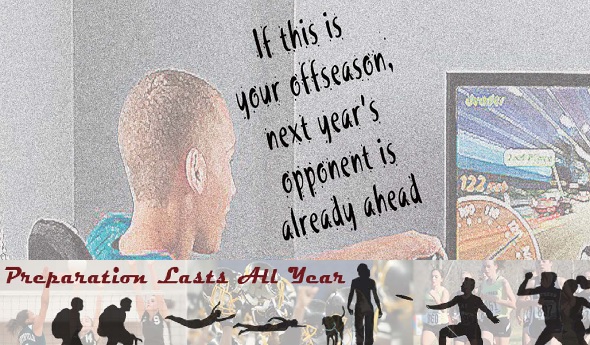
The contest is part of the MHSAA’s PLAY (Preparation Lasts All Year) initiative designed to encourage athletes to remain active during the offseason so they are prepared physically and acclimated to warm weather when practice begins in the fall. Student athletes involved in the winning Prep Rally activity will be awarded tickets to an MHSAA Final of their choice, at which they will be recognized for their accomplishment.
“Acclimatization and summer preparation for practice conditions are key parts of our focus on making school sports as healthy as possible for students,” MHSAA executive director John E. “Jack” Roberts said. “The Prep Rally contest this summer will promote the importance of staying active during the offseason. We’re excited to see how Michigan’s creative student athletes find fun ways to stay active and fit, and we look forward to showcasing their ideas so they can be shared by students all over Michigan.”
Student athletes are invited to submit a 150-word explanation of an activity they take part in during the offseason to stay active before the start of organized practice. Activities should not be centered on the sport in which those athletes compete, but rather on something recreational and fun. Entries should include photographs or a brief video of athletes participating. Activities also do not have to be team-centered; special consideration will be given to those that include students from a variety of sports participating together.
The deadline for student-submitted video applications is Aug. 12, the first day of practice for football teams (all other fall sports athletes begin practice Aug. 14). Communities are encouraged to promote their athletes’ applications via the MHSAA’s Facebook page and Twitter and Instagram feeds using the hashtag #PrepRally.
Entries should be e-mailed to the MHSAA's Andi Osters at [email protected].
MHSAA staff will choose three finalists, which will be featured on Second Half. Staff will then select a winner and announce the champion Aug. 19.
Contest rules and directions for submitting entries can be found on the Prep Rally page of MHSAA.com. This year’s finalists, plus the announcement of the 2013 winner, will be published on Second Half. Also, safety and acclimatization information is available via the MHSAA.com PLAY page.