


Rate of MHSAA High Schools Charging Participation Fees Falls to Lowest in 22 Years
By
Geoff Kimmerly
MHSAA.com senior editor
August 5, 2026
The annual Michigan High School Athletic Association participation fee survey completed for the 2025-26 school year continued to confirm the positive direction that has emerged this decade as the rate of member high schools charging student-athletes to play sports fell to its lowest in more than two decades.
Of the 703 MHSAA member schools (93 percent of membership) which responded to the most recent survey, only 38 percent (270 schools) charged participation fees in 2025-26 – a drop of two percent from the year prior and the lowest percentage since 34.5 percent of member schools reported charging a fee for the 2004-05 school year. Over the two decades between, the rate of high schools charging participation fees reached a high of 57 percent in 2013-14. Rates consistently have measured in the low 40s after the COVID-19 pandemic.
The MHSAA began conducting the participation fee survey with the 2003-04 school year. For the purposes of the survey, a participation fee is anything $20 or more regardless of what the school called the charge – registration fee, athletic fee, etc.
All four school-size classifications also saw rate decreases, with Class A schools leading the way with 46 percent charging fees – which was still a reduction of seven percent from 2024-25. Class B was down slightly to 39 percent charging for participation, while Class C schools were down six points to 28 percent charging and Class D schools were down four points also to 28 percent.
A standardized fee for each team on which a student-athlete participates – regardless of the number of teams – has remained the norm over the history of the MHSAA’s survey, and for the second-straight year 43 percent of schools charging a fee did so in this way during 2025-26. That was followed by 33 percent of responding schools charging a one-time standardized fee and 13 percent assessing fees based on tiers of the number of sports a student-athlete plays (for example, charging a larger fee for the first team and less for additional sports).
For 2025-26, the median maximum amount a school charged per student-athlete for the school year was $150, and the median annual maximum charged per family was $350. For schools charging student-athletes a one-time fee to cover all sports played, the median was $125. For schools charging a fee per sport, the median was $80 for each team.
The survey for 2025-26 and surveys from previous years can be found on the Pay-To-Play Survey page (direct link to this year’s results).
The MHSAA is a private, not-for-profit corporation of voluntary membership by more than 1,500 public and private senior high schools and junior high/middle schools which exists to develop common rules for athletic eligibility and competition. No government funds or tax dollars support the MHSAA, which was the first such association nationally to not accept membership dues or tournament entry fees from schools. Member schools which enforce these rules are permitted to participate in MHSAA tournaments, which attract more than 1.3 million spectators each year.
2024 Scholar-Athlete Award Recipients Announced in Class B
By
Geoff Kimmerly
MHSAA.com senior editor
February 12, 2024
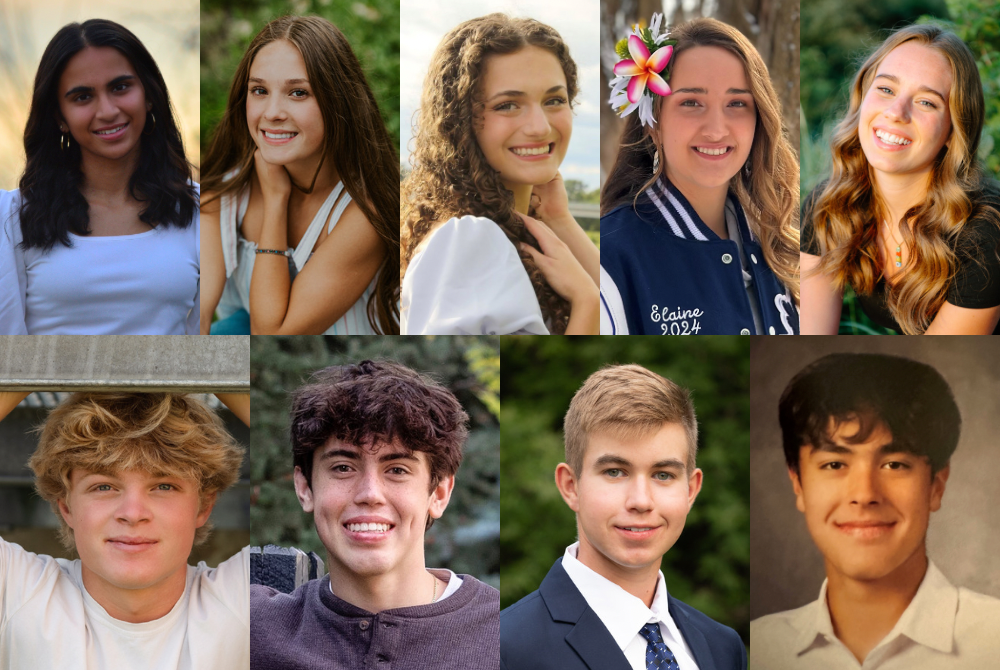
The Michigan High School Athletic Association has selected nine student-athletes from Class B member schools to receive scholarships through the MHSAA/Farm Bureau Insurance Scholar-Athlete Award program.
 Farm Bureau Insurance, in its 35th year of sponsoring the award, will give $2,000 college scholarships to 32 individuals who represent their member schools in at least one sport in which the Association sponsors a postseason tournament. The first 30 scholarships are awarded proportionately by school classification and the number of student-athletes involved in those classes; also, there are two at-large honorees who can come from any classification.
Students applying for the Scholar-Athlete Award must be carrying at least a 3.5 (on a 4.0 scale) grade-point average and have previously won a letter in a varsity sport in which the Michigan High School Athletic Association sponsors a postseason tournament. Other requirements for the applicants were to show active participation in other school and community activities and produce an essay on the importance of sportsmanship in educational athletics.
The 32 scholarship recipients will be recognized March 16 during the MHSAA Boys Basketball Finals at the Breslin Student Events Center in East Lansing.
The Class B Scholar-Athlete Award honorees are Navya Ashok, Ann Arbor Greenhills; Isabella DeWildt, Sault Ste. Marie; Gwenyth L. Geiger, Caro; Elaine Gordon, Adrian; Cecilia Postma, Manistee; Ollie Brown, Williamston; Jackson Dell, Chelsea; Austin Hinkley, Big Rapids; Lucas Nor, Ann Arbor Greenhills.
Overviews of the scholarship recipients of the Class B Scholar-Athlete Award follow. A quote from each recipient's essay also is included:
 Navya Ashok, Ann Arbor Greenhills
Ran three seasons of varsity cross country and will compete in her fourth of track & field this spring. Earned all-league recognition and helped teams to conference titles in both sports. Serving as track captain and served as cross country junior varsity team mentor. Named AP Scholar with Honor and National Merit Scholarship semifinalist and received silver medal for Le Grand Concours national French contest. Participating in third year in student government and serving as class president. Participating in fourth year of Science Bowl and as captain. Served as vice president of Washtenaw County’s Michigan Asian Youth Liberty League as junior. Participating in third year of forensics and was a novice state champion in 2021. Participating in third year as part of Teen Leadership Council for Canton Public Library. Participated for three years and served as appointed research head and facilitator for ByKids4Kids non-profit organization. Participating in fourth year of biology club as a group leader. Served as layout editor of yearbook and editor of school’s literary magazine. Is undecided where she will attend college, but intends to study biochemistry.
Essay Quote: “I have always been passionate about equity for all and will continue to advocate for bridging these gaps. I believe that acts of sportsmanship transcend the sports realm. … To me, sportsmanship is not only about helping out the other team or competitor, but also providing equity in sports, and giving others the chance to rise up to their occasion.”
 Isabella DeWildt, Sault Ste. Marie
Played three years of varsity volleyball, playing second of varsity basketball and will compete in fourth of track & field in the spring. Earned all-region and all-league in volleyball and all-league honorable mention in basketball. Also earned academic all-state in volleyball and served as captain for volleyball and basketball teams. Participating in third year of Students United and earned state and national awards for impact and service. Participating in third year on Sault High Native Youth Council and served as president as a junior. Served as student representative on Title VI Indian Education Committee. Participating in second years of National Honor Society and Youth Advisory Council, and in third year of Business Professionals of America and as vice president of communications. Served as ambassador for athletics and career center and student representative for 2023 graduation and baccalaureate. Will attend Grand Valley State University and join its Army ROTC program, and study finance.
Essay Quote: “Sportsmanship comes from more than just the player; it must also come from parents, coaches, and spectators. … Due to my education then and now, I have been able to turn myself into a leader with outstanding sportsmanship. I have even acquired the knowledge of producing sportsmanship outside of physically-exerting activities. Most do not realize it, but one channels sportsmanship within everyday life.”
 Gwenyth L. Geiger, Caro
Played four seasons of varsity golf, playing third of varsity basketball and will play fourth of varsity tennis in the spring. Earned multiple all-league honorable mentions and helped golf team to first MHSAA Finals appearance. Named all-conference scholar-athlete in all three sports all four years. Served as golf and basketball captain and will captain tennis team this upcoming season. Carries 4.1 grade-point average and earned AP Scholar Award. Participating in second year of National Honor Society and as chapter president, and serving second year on student council and as secretary. Participating in second years in Interact club (as treasurer), student advisory club and as founding member of school’s book club. Competed two years in academic games and has participated in 4-H throughout high school. Played first-chair trumpet in band throughout high school, and twice was selected for lead role in drama production. Will attend Michigan State University and study environmental biology and microbiology.
Essay Quote: “For many athletes, their energy is solely focused on two main goals, to do well, and to win. To have only these goals, however, you disregard the whole point of playing a sport. Some say you are only successful at sports if you are winning because that's what's on the scoreboard, but that's not what's in your heart. At some point, you will forget the wins and the losses, but you will always remember the love you had for a sport and the respect people had for you.”
 Elaine Gordon, Adrian
Playing third season of varsity basketball and will play second season of varsity softball this spring. Also participated on sideline cheer team as a senior. Earned league sportsmanship and scholar-athlete awards and served as captain of basketball and cheer teams. Dually enrolled and expects to graduate high school with 52 college credits. Playing in marching band and symphony for third year, and has served as section leader for both and qualified for state competition for solo and ensemble every year. Performed in school’s spring musical throughout high school and in lead roles every year. Participating in first year of National Honor Society and second as part of Fellowship of Christian Athletes, and has served as president, first counselor and second counselor of church youth group and as a church camp coordinator and counselor. Is undecided where she will attend college but intends to study Spanish education and sports management.
Essay Quote: “Our experiences shape our lives. They help sculpt us into who we become. However, they do not mold the core of who we are. The credit for that feat is given to our choices. … I have learned through educational athletics that sportsmanship needs to be continuous to build the habit so it becomes part of our core. An individual with good sportsmanship will make it a lot farther than an individual without.”
 Cecilia Postma, Manistee
Ran four seasons of cross country, will compete in her fourth season of track & field this spring and also play her third season of varsity soccer; additionally, played two seasons of junior varsity basketball. Earned all-state in cross country and all-conference and academic all-state in cross country and track. Served two seasons as cross country captain. Participating in third year of National Honor Society and has served as president, and fourth year of student council and has served as vice president. Has participated in Science Olympiad and symphonic band throughout high school, and in Youth in Government and as part of Manistee’s student newspaper staff the last two years. Qualified for Science Olympiad state competition three times, and served as band section leader. Is undecided where she will attend college, but intends to study on a premedical track.
Essay Quote: “Our coaches approach the sport from a social standpoint before we even touch a ball. We are given lessons in maintaining positive competitiveness, personal responsibility, and the respect we are expected to hold for everyone on the field. These values held by my coaches have helped me appreciate the abilities of others. In game settings, they are quick to compliment our opponents and often point out others' talent as inspiration for our team. As players we take the same approaches, making sure we acknowledge a teammate's extra dedication, or willingness to work outside their comfort zone on the field, or even thanking a teammate for coming to practice with a smile on their face.”
 Ollie Brown, Williamston
Played two seasons of varsity football, will play his second season of varsity golf in the spring, and also wrestled and competed in track & field one season apiece. Earned all-academic recognition in all four sports and all-conference in wrestling. Helped golf team to fourth-place Regional finish. Served as football team captain and golf team leader. Selected to represent school at Michigan High School Football Coaches Association athlete leadership conference. Earned AP Scholar with Honor and College Board Rural and Small-Town Awards. Participating in third years of National Honor Society and National Society of High School Scholars. Participated in robotics and worked as technician’s assistant through high school, and earned certificate of achievement from CHAMP gifted and talented math program at Michigan State University. Participated in Business Professionals of America as a freshman and qualified for state competition, and also played in symphony as a freshman. Participated in YoungLife throughout high school and is caring for adults with disabilities at a local community center. Is undecided where he will attend college, but intends to study computer science and business.
Essay Quote: “I had to fight my way up to the role of captain and learn that sometimes being a good sport means putting what’s best for the team over individual goals. … What I wanted more than anything was for the team to succeed, which meant that we had to play cohesively.”
 Jackson Dell, Chelsea
Ran four seasons of cross country and will compete in his fourth season of track & field this spring. Earned all-region and academic all-state in cross country and helped team to MHSAA Finals runner-up finish. Earned all-region eight times in track and qualified for MHSAA Finals in that sport as well. Serving as team captain for both sports as a senior. Earned College Board Hispanic and Rural and Small-Town recognition awards. Participating in second years of National Honor Society and Interact club. Works as certified nurse aide at retirement community, caring for residents with dementia. Studied piano throughout high school and played one year in marching band, earning superior ratings for solo and ensemble. Participating in second year as Link Crew leader. Participating in economics club and earned full scholarship to University of Michigan Ross Summer Business Academy, and takes business immersion classes at U-M as part of MREACH program. Will attend University of Michigan and study business.
Essay Quote: “Sportsmanship is about bringing positivity to the sport, uniting others, and having fun. I believe that too often student-athletes get caught up in the pressure and competitiveness, and forget why we really do it. We are student-athletes because we love to play, compete, and forge unbreakable bonds with our teammates. We are student-athletes not to win, but to grow as individuals.”
 Austin Hinkley, Big Rapids
Played fourth season of varsity tennis in the fall, is competing in fourth varsity bowling season this winter, and will play his fourth season of golf this spring. Earned all-state first-team in 2022 and honorable mention this past fall for tennis doubles, and also earned academic all-state individual and team awards in that sport. Served as tennis team captain and bowling team rotating captain. Selected as National Merit Scholarship Commended Student and earned College Board Rural and Small-Town recognition. Participating in second years of National Honor Society, Interact and Key Club and served as class president during two years on student council. Serving third year on Mecosta County Youth Advisory Council and as grants chairperson. Has played in marching band, wind symphony, pep band, jazz band and chamber winds ensembles throughout high school, serving as section and drumline leader and earning Division 1 ratings at state competitions. Participating in third year of quiz bowl and as rotating captain. Is undecided where he will attend college, but intends to study mechanical engineering.
Essay Quote: Sportsmanship is honoring truth, even when you have the opportunity to be untruthful, because it is the right thing to do. … It is realizing that high school athletics are a prelude to the highs and lows of life to come. Wins and losses are important in the moment to fierce competitors like me, but success has no meaning when it is accomplished through unjust means.”
 Lucas Nor, Ann Arbor Greenhills
Played four seasons of varsity tennis and is playing his fourth season of varsity basketball this winter. Earned multiple Finals individual championships in tennis and was part of two Finals championship teams while earning all-state recognition in that sport three times. Earned all-league honorable mention in basketball and helped that team to District title. Participating in third year of school ambassador program, and as lead ambassador, and has participated throughout high school in Affinity Group Hispanic and Latinx organization and earned National Hispanic Recognition Award. Participated three years in economics/finance club and as part of National Federal Reserve Challenge team. Served two years as laboratory intern with University of Michigan dental school. Served as tennis coach for middle school team and children with disabilities. Taught trumpet to middle school band musicians. Will attend Princeton University and study molecular biology.
Essay Quote: “I believe that sportsmanship isn't just the ways in which one directly interacts with others, rather the way one carries themselves and serves as an example for other players, spectators, and future stars watching on the bleachers. … And this is why I believe that sportsmanship is so important to educational athletics, as it fosters the values of respect and a shared passion for the game. When people make a difference, it serves as an influence to not only inspire others, but also helps sprout newfound athletic careers.”
Other Class B girls finalists for the Scholar-Athlete Award were Anika Bery, Ann Arbor Greenhills; Hannah Herman, Buchanan; Reese Herioux, Gladstone; Julie Ashbaugh, Grant; Grace deWaalMalefyt, Hudsonville Unity Christian; Megan Marta, Ishpeming Westwood; Addison Rutter, Kingsford; Libby McCarthy, Manistee; Malena Johnson, Marshall; Katelyn Baney, Paw Paw; and Malia Thelen, Portland.
Other Class B boys finalists for the Scholar-Athlete Award were Angelo Ciarelli, Ann Arbor Father Gabriel Richard; Logan Cripps, Brooklyn Columbia Central; William E. Ribby, Eaton Rapids; Logan Lipka, Frankenmuth; Charles Lindemann, Grand Rapids Catholic Central; Ben Sytsma, Grand Rapids Christian; Stephen Petersen, Hillsdale; Michael Stout, Howard City Tri County; Anthony Mariotti Goatley, Madison Heights Lamphere; Braydon Sorenson, Manistee; Ethan Chambliss, Niles; and Aiden Roulo, St. Clair.
The Class D scholarship award recipients were announced Feb. 6, and the Class A honorees will be announced Feb. 20.
Farm Bureau Insurance of Michigan was founded in 1949 by Michigan farmers who wanted an insurance company that worked as hard as they did. Those values still guide the company today and are a big reason why it is known as Michigan’s Insurance Company, dedicated to protecting the farms, families, and businesses of this great state. Farm Bureau Insurance agents across Michigan provide a full range of insurance services — life, home, auto, farm, business, retirement, Lake Estate®, and more — protecting nearly 500,000 Michigan policyholders.
The MHSAA is a private, not-for-profit corporation of voluntary membership by more than 1,500 public and private senior high schools and junior high/middle schools which exists to develop common rules for athletic eligibility and competition. No government funds or tax dollars support the MHSAA, which was the first such association nationally to not accept membership dues or tournament entry fees from schools. Member schools which enforce these rules are permitted to participate in MHSAA tournaments, which attract more than 1.4 million spectators each year.