

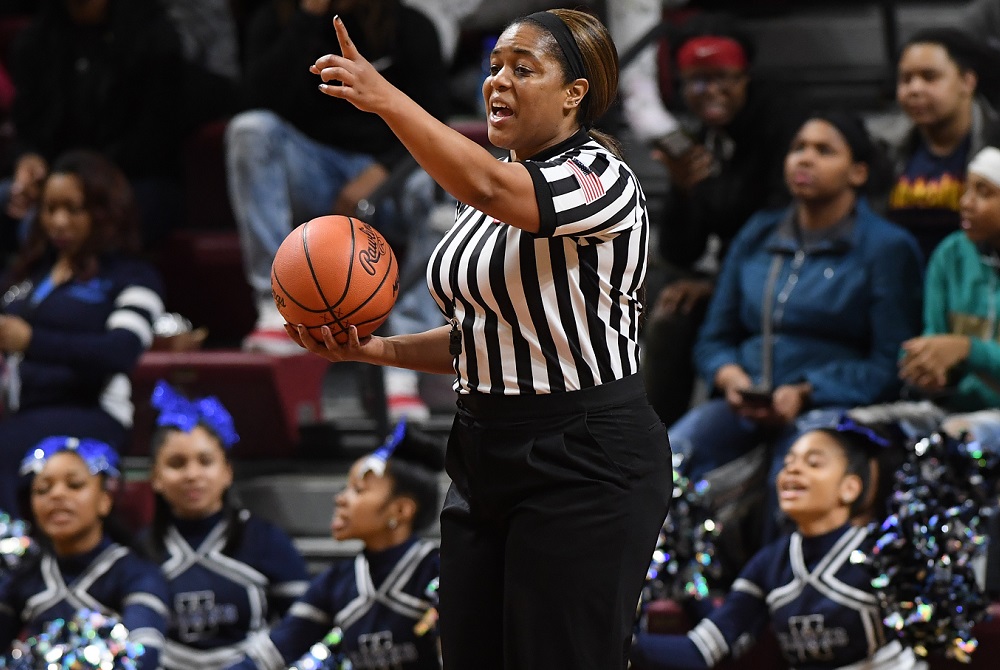
Be the Referee: Winter Officials Mechanics
By
Sam Davis
MHSAA Director of Officials
December 9, 2021
Be The Referee is a series of short messages designed to help educate people on the rules of different sports, to help them better understand the art of officiating, and to recruit officials.
Below is this week's segment – Winter Officials Mechanics - Listen
This season, MHSAA officials will return to the courts, mats and ice under some different conditions than over the past 20 months.
Other than a few select instances, all MHSAA protocols, procedures and playing rules have returned to what they were pre-COVID.
This means the jump ball in basketball returns, postgame handshakes will be permitted as each school sees fit, and traditional ball-handling by officials for free throws and throw-ins is back.
Of course, individual schools may retain certain precautionary measures, and officials are always permitted to use personal medical protective equipment.
The health and welfare of athletes, coaches and spectators is our No. 1 priority, and compliance with all local school district and health department mandates is required.
Previous editions
Nov. 26: Instant Replay - Listen
Nov. 11: Tourney Selection - Listen
Nov. 4: Receiver Carried Out of End Zone – Listen
Oct. 28: Volleyball Back-Row Block – Listen
Oct. 21: Soccer Disallowed Goal – Listen
Sept 30: Field Goal Falls Short – Listen
Sept. 23: Volleyball Obstruction – Listen
Sept. 16: Catch or No Catch – Listen
Sept. 9: Intentional Grounding – Listen
Sept. 2: Pass Interference – Listen
Aug. 26: Protocols and Mechanics – Listen
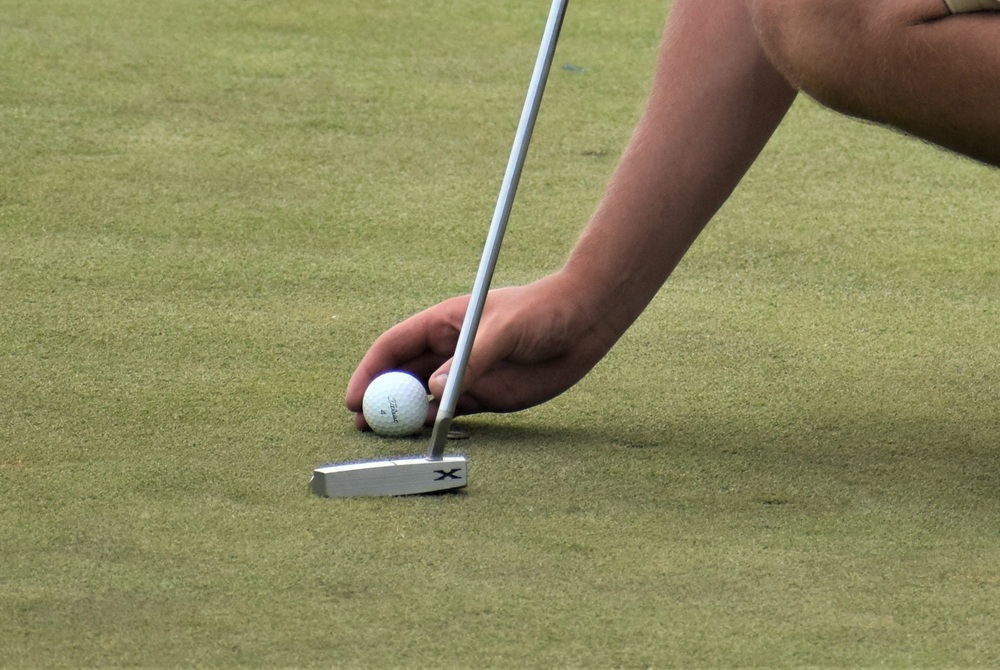
Be the Referee: Wrong Green
By
Paige Winne
MHSAA Director of Brand Management
April 29, 2026
Be The Referee is a series of short messages designed to help educate people on the rules of different sports, to help them better understand the art of officiating, and to recruit officials.
Below is this week's segment – Wrong Green - Listen
The weather’s getting nicer so we’re breaking out the golf clubs and hitting the links. But our game is still a little rusty.
The first three holes go well enough. But on hole number 4, our tee shot is off target. Way off target. And it lands on the green for a different hole. Now what? Can we just hit our approach shot from the wrong green?
No – but you do get free relief if your ball is on the wrong green.
Identify the nearest point of relief that is not closer to the hole – and completely off of the wrong green, including your stance – and drop your ball within a club-length of that point. Now you are good to hit your next shot.
If you were to take a shot from the wrong green – and not take the free relief – that would be a two-stroke penalty.
Previous 2025-26 editions
April 21: Injured Runner - Listen
April 14: Officiate Michigan Day - Listen
March 11: Basketball Replay - Listen
March 3: Over the Back - Listen
Feb. 24: Wrestling Out-of-Bounds - Listen
Feb. 17: Backwards Skiing - Listen
Feb. 10: Faking Being Fouled - Listen
Feb. 3: Bowling Pins - Listen
Jan. 27: Ski Gates - Listen
Jan. 20: Cheer Judges - Listen
Jan. 13: Basketball Over the Back - Listen
Jan. 6: Bowling Ball Bounces Out of Gutter - Listen
Dec. 9: Puck on Goal Netting - Listen
Dec. 2: Goaltending vs. Basket Interference - Listen
Nov. 25: Football Finals Instant Replay - Listen
Nov. 18: Volleyball Libero Uniforms - Listen
Nov. 11: Illegal Substitution/Participation - Listen
Nov. 4: Losing a Shoe - Listen
Oct. 28: Unusual Soccer Goals - Listen
Oct. 21: Field Hockey Penalty Stroke - Listen
Oct. 14: Tennis Double Hit - Listen
Oct. 7: Safety in Football - Listen
Sept. 30: Field Hockey Substitution - Listen
Sept 23: Multiple Contacts in Volleyball - Listen
Sept. 16: Soccer Penalty Kick - Listen
Sept. 9: Forward Fumble - Listen
Sept. 2: Field Hockey Basics - Listen
Aug. 26: Golf Ball Bounces Out - Listen