

Ramping Up for Prepapalooza 2014
May 27, 2014
By Geoff Kimmerly
Second Half editor
Over the next five days, thousands of teams representing more than 700 MHSAA high schools will compete for championships at the District, Regional and Finals levels in 11 sports in what annually is the busiest week in Michigan high school sports.
MHSAA.com and Second Half are the places to be for results, coverage and live video from championship events all over both Peninsulas.
Total, 26 Finals champions will be crowned in girls and boys tennis, girls and boys track and field and Upper Peninsula girls and boys golf, with 36 Regional champions rewarded in girls and boys lacrosse and Lower Peninsula boys golf and 320 winners earning trophies in softball, baseball and girls soccer. All tournament rounds combined, more than 8,000 medals will be presented to individual winners or contributors on those team champions.
 Game scores as they are reported for baseball, softball, soccer and lacrosse will be available on the MHSAA Score Center throughout the week. Full results from golf Regionals also will be posted over the next five days, as will Finals tennis and golf results as we receive them from Lower and Upper Peninsula hosts (Lower Peninsula tennis opening rounds late Friday evening). Track and Field Finals results will be posted Saturday evening.
All MHSAA Finals from both peninsulas will be covered with stories and photos on Second Half by a crew of valuable correspondents from around the state. Second Half will continue its coverage at the Lacrosse and LP Boys Golf Finals on June 14 and the Baseball, Softball and Girls Soccer Finals from June 19-21.
Live championship races from all seven sites of MHSAA Track and Field Finals will be available on a subscription basis on MHSAA.TV, beginning with the 3,200-meter relays at 10 a.m. at each site. The rest of the Upper Peninsula races then will continue, with Lower Peninsula championship races beginning again at 1 p.m. Highlights from this week's golf and tennis championship events will debut on MHSAA.TV in July.
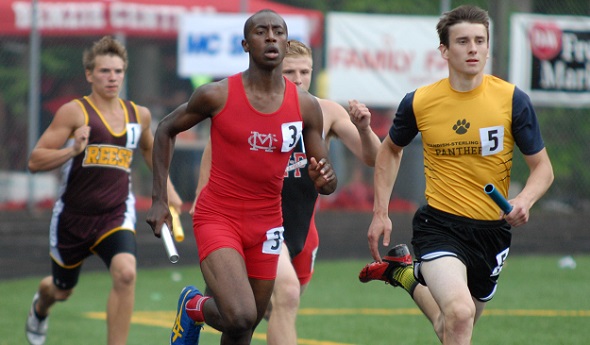
PHOTOS: (Top) Runners push toward the finish during the 2013 LP Division 3 Final. (Middle) Members of the Bloomfield Hills Academy of the Sacred Heart tennis team hold up number ones to signify their place at last season's LP Division 4 Final.
Stretching Done Right: Easy Tips To Stay Limber
By
Christina Chapski, Ed.D., AT, ATC
Henry Ford Health
November 7, 2023
Stretching is more than just a workout suggestion – it's a vital way to avoid injury and get the most out of your activity. You wouldn’t take your car on a long drive without making sure it’s in tip-top shape, right? So before you work up a sweat, work up a stretch.
 One important thing to keep in mind is that dynamic stretching is best. It uses momentum to propel your muscles into an extended range of motion. Unlike static stretching, where you remain in an almost still position, a dynamic warm up is the best way to get your blood flowing and your heart rate pumping.
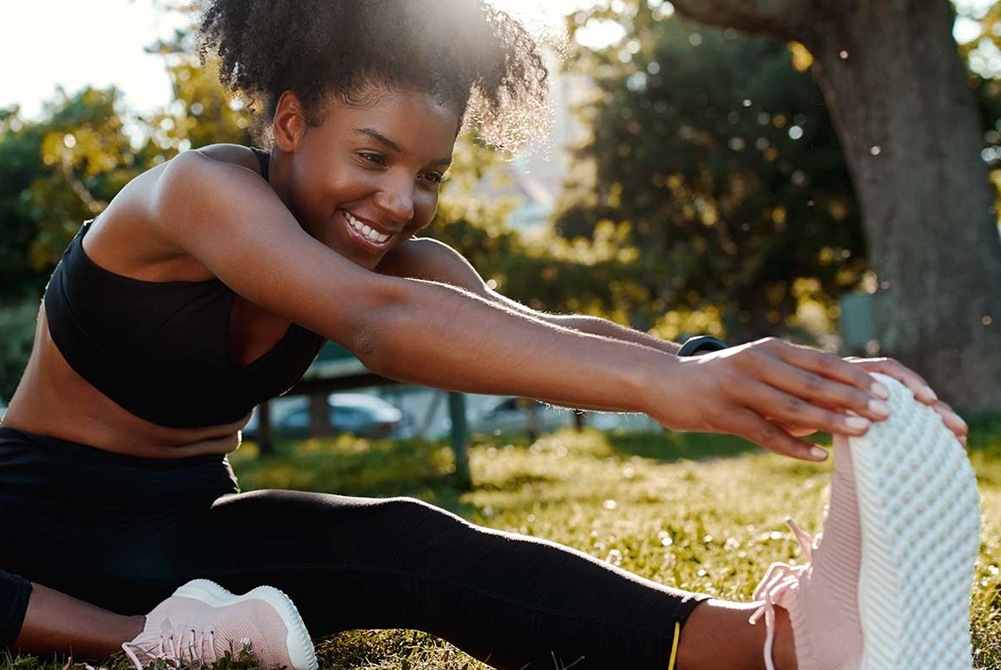
To get your muscles primed for activity, high knees, "butt kicks" and side shuffling are more effective than standing quad stretches. If you are doing an upright quad stretch, it's best to lean back a little to get the full benefit, since your quads originate from above the hip. Also, remember to always grab the ankle and not the toe.
Here are some other helpful hints on how to warm up the right way:
- For hamstrings: The hamstring muscle attaches to your bones below the knee at the back of the leg, so you want to avoid bending them (which ultimately shortens the muscle you’re trying to stretch). When bending at your back, make sure to keep your spine straight like a table to elongate those muscles. Keep your chin up. If you bend down to touch your toes, there’s no need to hover closer than six inches above the ground – unless you’re able to comfortably do so.
- For pectoral muscles: "Door stretches” offer the best stretch. Simply place your arms out on either side of you as if you were making a “T” with your body. Then, bend your arms up at your elbows so they each form a 90-degree angle. In this position, put your arms on either side of a door frame, with your body within the frame’s opening and walk forward slowly to open up the chest.
- For triceps: Make a gesture like you’re scratching your upper back and be sure to keep your elbows in for maximum benefit.
- For the torso: The iron cross stretch involves putting your arms out at your sides like a “T” and then rotating at your waist side to side. You can also drop down toward the floor and reach for your toes, one side at a time.
Other great tips to add to your stretching repertoire include:
- Don’t forget to keep breathing throughout your stretch. It will help keep your muscle tissue oxygenated.
- Hold each stretch for 10 to 20 seconds, aiming for three repetitions of each. If you prefer, you can split up your stretching throughout the day, or use props like foam rollers to help ease tension in your muscles and break up knots.
- Listen to your body while stretching. Slight pain is acceptable, but if your muscles start shaking, it's a warning for you to stop.
- Don't give up. Stretching progress can be slow, so comparing your progress to that of others will only discourage you. Pay attention to your own progress. Seeing your body become more flexible when you previously weren’t limber will help keep you motivated and is the ultimate reward.
To find a sports medicine doctor or athletic trainer at Henry Ford, visit henryford.com/athletes. Christina Chapski, Ed.D., AT, ATC, is the director of athletic training and community outreach at Henry Ford Health. Read more of Chapski's articles.