


Ramping Up for Prepapalooza 2014
May 27, 2014
By Geoff Kimmerly
Second Half editor
Over the next five days, thousands of teams representing more than 700 MHSAA high schools will compete for championships at the District, Regional and Finals levels in 11 sports in what annually is the busiest week in Michigan high school sports.
MHSAA.com and Second Half are the places to be for results, coverage and live video from championship events all over both Peninsulas.
Total, 26 Finals champions will be crowned in girls and boys tennis, girls and boys track and field and Upper Peninsula girls and boys golf, with 36 Regional champions rewarded in girls and boys lacrosse and Lower Peninsula boys golf and 320 winners earning trophies in softball, baseball and girls soccer. All tournament rounds combined, more than 8,000 medals will be presented to individual winners or contributors on those team champions.
 Game scores as they are reported for baseball, softball, soccer and lacrosse will be available on the MHSAA Score Center throughout the week. Full results from golf Regionals also will be posted over the next five days, as will Finals tennis and golf results as we receive them from Lower and Upper Peninsula hosts (Lower Peninsula tennis opening rounds late Friday evening). Track and Field Finals results will be posted Saturday evening.
All MHSAA Finals from both peninsulas will be covered with stories and photos on Second Half by a crew of valuable correspondents from around the state. Second Half will continue its coverage at the Lacrosse and LP Boys Golf Finals on June 14 and the Baseball, Softball and Girls Soccer Finals from June 19-21.
Live championship races from all seven sites of MHSAA Track and Field Finals will be available on a subscription basis on MHSAA.TV, beginning with the 3,200-meter relays at 10 a.m. at each site. The rest of the Upper Peninsula races then will continue, with Lower Peninsula championship races beginning again at 1 p.m. Highlights from this week's golf and tennis championship events will debut on MHSAA.TV in July.
PHOTOS: (Top) Runners push toward the finish during the 2013 LP Division 3 Final. (Middle) Members of the Bloomfield Hills Academy of the Sacred Heart tennis team hold up number ones to signify their place at last season's LP Division 4 Final.
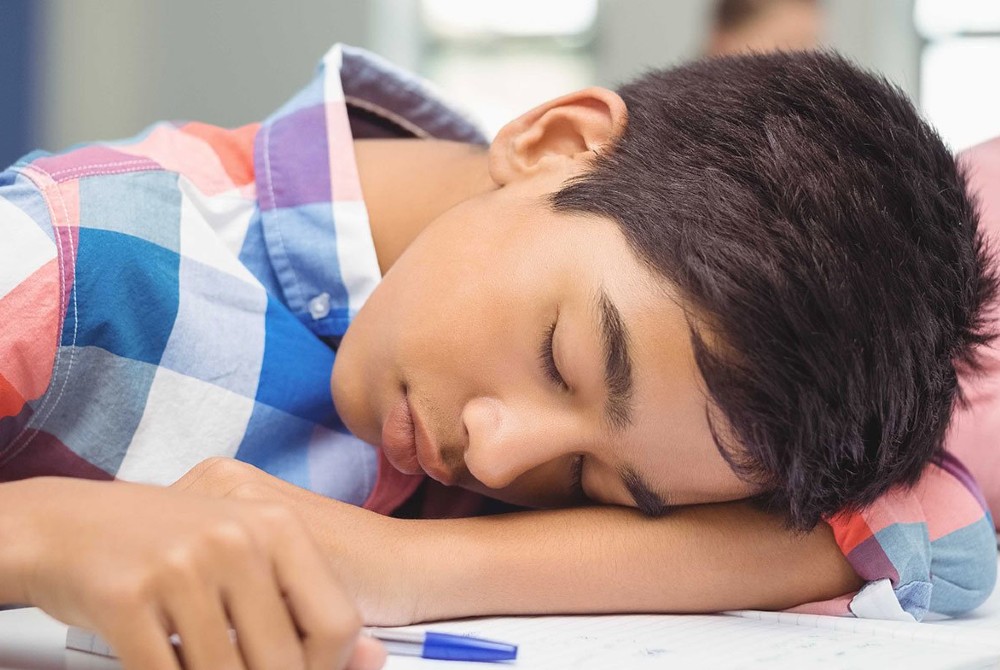
Is Your Teen Sleep-Deprived?
March 2, 2021

Many teens tend to stay up late. They’re on social media, watching television or YouTube, studying, or just tossing and turning for hours unable to fall asleep. Sleep can also be disrupted during stressful times during adolescence like exams or relationship problems.
More than two-thirds of high school students in the U.S. are failing to get sufficient sleep on school nights, according to a recent study from the Centers for Disease Control and Prevention (CDC).
“The American Academy of Sleep Medicine (AASM) recommends that teens should sleep eight to 10 hours per night on a regular basis to promote optimal health,” explains Virginia Skiba, M.D., a sleep specialist with the Henry Ford Health System. Insufficient sleep can have a negative impact on their grades, athletic performance and mental and physical well-being, including depression and anxiety issues and drug and alcohol use.
It’s a safety issue, as well. Motor vehicle crashes are a leading cause of teen deaths in the U.S. In a recent survey, more than half of teens admitted to having driven when feeling too tired and nearly one in 10 teens reported having fallen asleep at the wheel.
A typical high school student is biologically wired to fall asleep around 11 p.m. Many high schools in Michigan start school as early as 7 a.m. – long before a teen’s natural wake time. The AASM advocates a later middle school and high school start time of 8:30 a.m. or later.
Tips for a Good Night’s Sleep
Teenagers’ sleep-wake cycles are biologically determined – they are programmed to stay up late at night and sleep later in the morning. Most teens are instinctively night owls. Falling asleep is often a challenge, but there are things teens can do that may help them get a good night’s sleep.
Here are some tips from Dr. Skiba, which apply not only to teens but are great advice for anyone who is struggling with feeling sleep deprived:
► First and foremost, make sleep a priority. In our busy society, too often making time for sleep is last on the list.
► Maintain a consistent bedtime and wake time that allows at least eight hours of nightly sleep, including on weekends and vacation.
► Keep the bedroom quiet and dark. Keep the TV, computer, phone and video game system out of the bedroom.
► Set a technology curfew; turn off all devices one hour before bedtime.
► Engage in quiet activities before bed, like reading, journaling or yoga, and establish a relaxing bedtime ritual.
Dr. Virginia Skiba is a sleep medicine expert who sees patients at Henry Ford Medical Centers in Grosse Pointe and Sterling Heights.
If your teen is struggling with sleep issues, talk to your pediatrician or family doctor to find out if he or she could benefit from a sleep evaluation. Call 1-800-HENRYFORD (436-7936) or visit henryford.com to learn more.
Visit henryford.com/sports or call (313) 972-4216.