


Scheduling Solution
September 27, 2016
One of our state's consistently best high school football programs needed a ninth game this season but could find no opponent within the state of Michigan. It was able to find a game with an equally prestigious football program in an adjacent state that was having the same problem – the "problem" of being such a formidable program year after year that other schools shied away from scheduling them.
Two different schools in two different states with two different football playoff formats and qualifying procedures, facing the same problem.
This helps to demonstrate that it is not any particular football playoff system that is at the heart of high school football scheduling difficulties. Much more at fault is human nature. One could change the qualifying system or double the number of qualifiers so that even winless teams make the playoffs, and some schools would still refuse to schedule others, which would then have to travel out of state to complete their schedules.
The solution to football scheduling will have very little to do with expanding the playoff field or changing the qualifying criteria. It is only when the scheduling of varsity football games is removed from the local level and assigned to the MHSAA that all teams will play the opponents that are closest to them in enrollment and location. Hard to fathom that will ever occur. But then, no team would have to travel out of state, or even across the state, to complete a varsity football schedule.
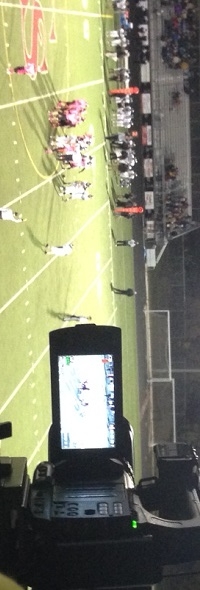
Highlight Reel: Everett/Flushing
November 5, 2014
The Flushing football team defeated Lansing Everett on Saturday in a Division 2 District opener. Click the headings below for MHSAA.tv highlights and the final link to watch the game in full.
EVERETT TIES IT - Rhett Blackman ties the game up for Lansing Everett against Flushing in the second quarter on a 6-yard run. Blackman would score twice.
WOW FACTOR - Flushing's Jake Matus takes in a 59-yard touchdown pass from quarterback Garrett Oginsky on the last play of the first half to break that tie.
BIG PASS FOR VIKINGS - Everett tightens things up late in the third quarter on this 50-yard pass and run play from Rhett Butler to Brian Jones. It cut the Flushing lead to 29-21 at the time, and that score held up.
Watch the entire game and order DVDs by Clicking Here.