

Thank Roosevelt for Football Weekends
December 20, 2013
By Rob Kaminski
MHSAA benchmarks editor
The next time you find yourself immersed in a tense crosstown football rivalry on a Friday night followed by a Saturday pilgrimage to the nearest college campus and a Sunday afternoon with a remote and your favorite snacks and beverages, take a moment to consider what the weekend would be like if it weren’t for Teddy Roosevelt.
The man who became our 26th President shortly after the turn of the 20th Century following the assassination of William McKinley in 1901 was a football fan like you. Maybe more so.
Today’s game of football has reached a critical crossroads. Player size and speed have increased across the board. Savage use of equipment as weapons rather than protective gear has been glorified on television networks and social media. Leaders of the game at all levels have recognized the need for change, employing new rules and widespread educational efforts to aid in preserving the sport.
History, as they say, is repeating itself.
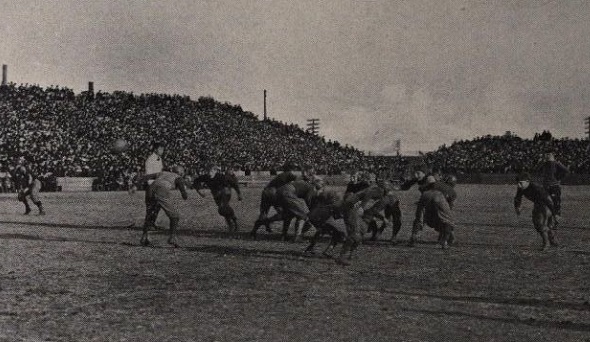
In an ironic twist, it was Roosevelt who saved the then-brutally violent game of football from itself more than 100 years ago. Yes, the same “Rough and Ready Teddy” who led the charge up San Juan Hill during the Spanish-American War and often sparred in the boxing ring while in office from 1901-09 opined that football was becoming so gruesome that he delivered an ultimatum: clean up the game or it would be outlawed.
The Chicago Tribune reported that in 1904 alone, there were 18 football deaths and 159 serious injuries, mostly among prep school players. Football deaths suffered by younger players were reported on a nearly weekly basis, as outraged citizens called on colleges and high schools to banish football outright.
In stepped Roosevelt, who called head coaches and representatives from Harvard, Yale and Princeton – college powers at the time – to the White House in 1905 urging them to eliminate excessive violence and set an example of fair play for the rest of the country. When the casualties actually rose by one during the ensuing season, Roosevelt reacted with greater resolve and convened leading football authorities for the purpose of authoring drastic rules changes. What emerged was an intercollegiate conference which was the predecessor of the NCAA.
Among the most effective changes for the 1906 season were the legalization of the forward pass, the elimination of mass formations, and the creation of a neutral zone. Football fatalities fell to 11 in each of the next two seasons, and severe injuries fell drastically.
Thanks to the introduction of protective equipment and ever-evolving rules changes, football during the 100-plus years to follow has become an exponentially safer game. Yet, the game’s leaders always will need to adjust and react to scrutiny that comes with the territory.
So, as the game once again undergoes rules modifications in the name of safety, give a tip of the cap to President Roosevelt while you enjoy college bowl season and the NFL playoffs and begin to think ahead to the first high school practice of 2014.
Flashback 100: Future Baseball Pro Led Escanaba's Legendary Football Title Run
November 8, 2024
The MHSAA 11-player Football Playoffs have awarded 332 Finals champions over their first 49 seasons, and the total will grow by eight later this month.
However, only 22 of those titles have been claimed by teams from Michigan's Upper Peninsula. And of those, just one came in the state’s largest division.
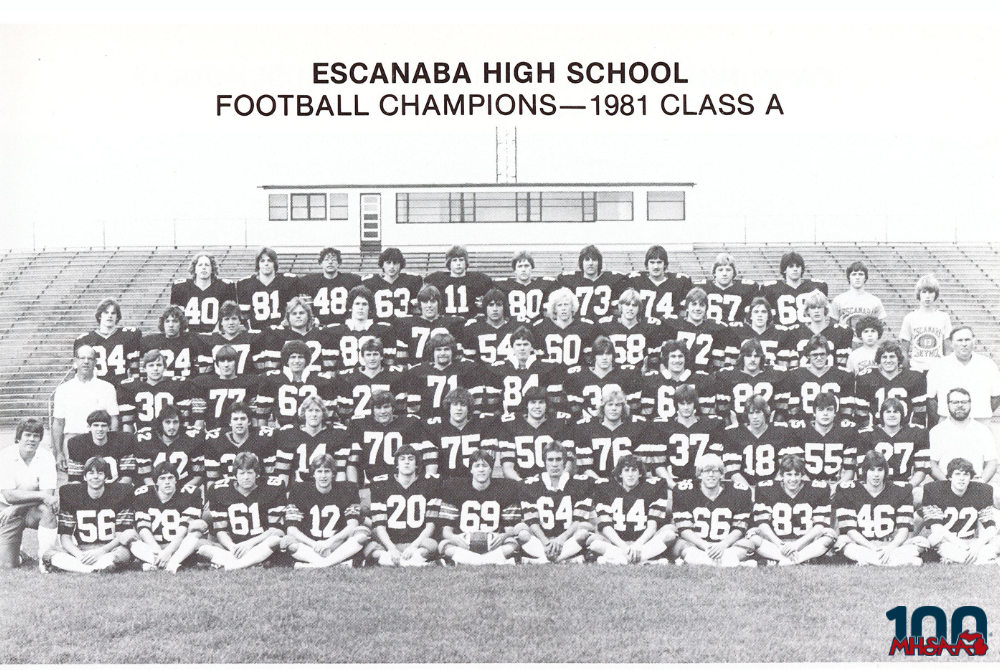
That honor belongs to Escanaba, which won the Class A title in 1981, marking the first and only time a U.P. team has claimed the crown in either Division 1, Class A, or Class AA.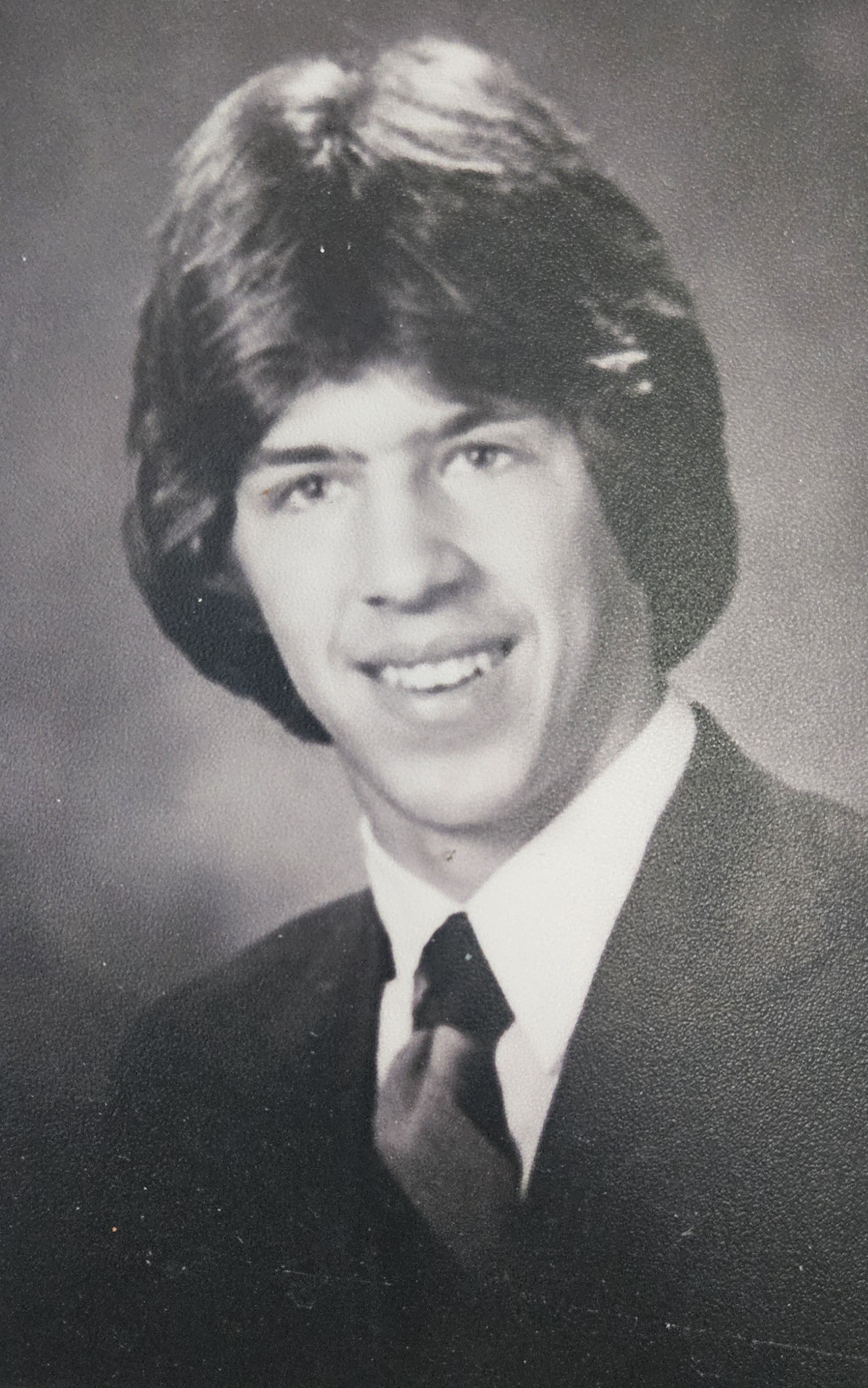
The 1981 Escanaba team, coached by the legendary Jerry Cvengros – who would later be inducted into the Michigan High School Football Coaches Association Hall of Fame – was led by Kevin Tapani. A dynamic two-way player, Tapani starred at both quarterback and safety. The Eskymos finished the season undefeated at 12-0, outscoring opponents by a combined 345-67. They shut out six opponents and defeated Fraser 16-6 in the title game at the Pontiac Silverdome.
While Tapani excelled in football, his true passion was baseball. He was a standout in high school and went on to become a four-year starting pitcher at Central Michigan University. In 1986, Tapani was selected by the Oakland A’s in the second round of the MLB Draft. He went on to enjoy a successful 13-year career in the majors, earning a 143-125 record, with a 16-9 season in 1991 when he helped lead the Minnesota Twins to a World Series title.
In recognition of his athletic achievements, Tapani was inducted into the Upper Peninsula Sports Hall of Fame in 2012 and named one of the Minnesota Twins' 50 all-time greatest players.
The 22 U.P. teams to win an MHSAA 11-player football championship:
1975 – Ishpeming – Class C
1975 – Crystal Falls Forest Park – Class D
1976 – Crystal Falls Forest Park – Class D
1979 – Ishpeming – Class C
1979 – Norway – Class D
1980 – Munising – Class C
1980 – Norway – Class D
1981 – Escanaba – Class A
1983 – St. Ignace – Class D
1992 – Lake Linden-Hubbell – Class DD
1993 – Kingsford – Class B
1993 – Iron Mountain – Class C
1997 – Lake Linden-Hubbell – Class D
1998 – Menominee – Class BB
2000 – Iron Mountain – Division 7
2002 – Negaunee – Division 6
2006 – Menominee – Division 5
2007 – Menominee – Division 5
2007 – Crysal Falls Forest Park – Division 8
2012 – Ishpeming – Division 7
2013 – Ishpeming – Division 7
2015 – Ishpeming – Division 7
Previous "Flashback 100" Features
Nov. 1: Flashback 100: Michigan High School Baseball Trio Provide World Series Voices - Read
Oct. 25: Flashback 100: Before Leading Free World, Ford Starred for Champion GR South - Read
Oct. 18: Mercy Links Legend Becomes World Golf Hall of Famer - Read
Oct. 11: Fisher Races to Finals Stardom on Way to U.S. Olympic First - Read
Oct. 4: Lalas Leaves High School Legacies on Ice & Pitch - Read
Sept. 27: Tamer's History-Making Run Starts in Dexter, Continues to Paris - Read
Sept. 20: Todd Martin’s Road to Greatness Starts at East Lansing - Read
Sept. 13: James Earl Jones, Dickson High Hoops to Hollywood Legend - Read
Sept. 6: Pioneers' Unstoppable Streak Stretches 9 Seasons - Read
Aug. 30: Detroit dePorres Rushes to 1995 Class CC Football Championship - Read
PHOTOS (Top) Escanaba's 1981 Class A championship team, Tapani is in the second row, fourth from the right (#18). (Middle) Kevin Tapani from his Escanaba Wall of Fame Plaque. (Photos courtesy of Escanaba High School, and the MHSAA archives.)