


We’ve Got This Right
March 1, 2013
This year's Super Bowl was an occasion for an unusual amount of commentary on the state of football safety, especially concussions.
One group called on state high school associations and football coaches associations to eliminate contact outside the defined interscholastic season. That would mean spring football practice, and during summer leagues and camps, and at all-star games.
Michigan is one of a large majority of states where schools do not allow spring football practice. Michigan is one of a minority of states where schools do not allow contact at summer camps, for which we are often criticized by out-of-state camp promoters. And Michigan is one of a smaller minority of states where schools prohibit students, coaches, officials and administrators from being involved in all-star games involving undergraduates.
While we are well ahead of the curve on out-of-season contact policies, we are in the mainstream of state high school associations studying what the appropriate limits should be on contact during early season football practice and throughout the remainder of the season. We have a task force that appears headed toward recommending that the Representative Council prescribe only one contact session per day during early season practice and only two contact practices per week after games begin.
There will be other ideas percolating and then simmering with these before any are proposed to the MHSAA Football Committee and Representative Council.
Highlight Reel: Mona Shores/Caledonia
November 5, 2014
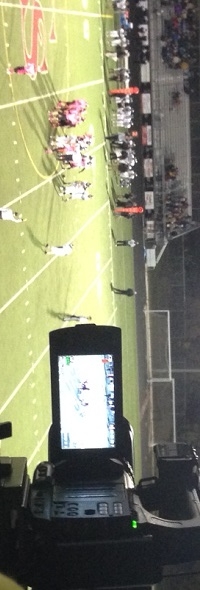
The Muskegon Mona Shores football team defeated Caledonia 42-14 on Saturday in a Division 2 District opener. Click the headings below for MHSAA.tv highlights and the final link to watch the game in full.
ROBERSON TAKES IT DOWN THE SIDELINE - Muskegon Mona Shores struck first in this Division 2 playoff game. Darece Roberson took a swing pass from Tyree Jackson down the near sideline for 52 yards.
CALEDONIA STRIKES BACK - Caledonia pulled to within a TD in the second quarter when quarterback Tanner Christian scored form eight yards out to make it 14-7 Mona Shores midway through the second period. The Sailors, however, scored four of the next five TDs.
BOMBS AWAY! SCHUITEMAN SCORES! - Muskegon Mona Shores increased its lead to 42-14 in the third quarter when Jackson hits Matt Schuiteman in stride for a 39-yard score. The Sailors went on to post a 49-14 victory over Caledonia in this Division 2 Pre-District game.
Watch the entire game and order DVDs by Clicking Here.