


We’ve Got This Right
March 1, 2013
This year's Super Bowl was an occasion for an unusual amount of commentary on the state of football safety, especially concussions.
One group called on state high school associations and football coaches associations to eliminate contact outside the defined interscholastic season. That would mean spring football practice, and during summer leagues and camps, and at all-star games.
Michigan is one of a large majority of states where schools do not allow spring football practice. Michigan is one of a minority of states where schools do not allow contact at summer camps, for which we are often criticized by out-of-state camp promoters. And Michigan is one of a smaller minority of states where schools prohibit students, coaches, officials and administrators from being involved in all-star games involving undergraduates.
While we are well ahead of the curve on out-of-season contact policies, we are in the mainstream of state high school associations studying what the appropriate limits should be on contact during early season football practice and throughout the remainder of the season. We have a task force that appears headed toward recommending that the Representative Council prescribe only one contact session per day during early season practice and only two contact practices per week after games begin.
There will be other ideas percolating and then simmering with these before any are proposed to the MHSAA Football Committee and Representative Council.
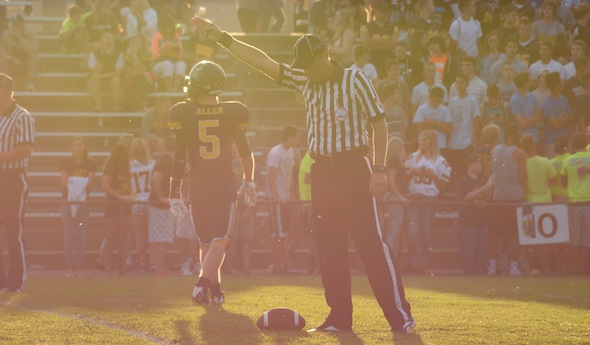
Second Half Starts Your Football Drive
August 31, 2014
By Geoff Kimmerly
Second Half editor
Just like that, the first weekend of MHSAA football season 2014 is in the books.
But we've got three more months of exciting stories to follow as September kicks off Monday.
Here's a brief breakdown of regular features to come this season on Second Half:
- A Game for Every Fan: Weekly looks each Friday at the best games to be played in every corner of the state.
- Drive for Detroit: Weekly reviews each Tuesday at the most significant results from the weekend across both peninsulas.
- Be the Referee: Weekly series from our director of officiating, Mark Uyl, that will include a number of football topics during the fall.
- This Week on MHSAA.TV: We'll fill you in on all the games available on-demand on MHSAA.TV from the week before and let you know which coming up can be watched live on a subscription basis.
- Inside Selection Sunday: Our annual explanation of how playoff pairings are chosen and some of our toughest decisions when building brackets in October.
- Live from the Finals: We'll cover all nine MHSAA Finals, beginning with the 8-Player championship game and through two days of 11-player title contests during Thanksgiving weekend.
- Records Report: Each week we'll fill you in on our latest additions to the MHSAA record books, including for football, which has our largest set of listings.
- All the scores, schedules and standings: Keep an eye on "Scores & Schedules" on MHSAA.com for scores every weekend as we receive them, and visit your favorite team's page for all results from this fall plus league standings, the rest of the schedule to come and playoff point averages.