

Be the Referee: Golf Rules Changes
October 10, 2019
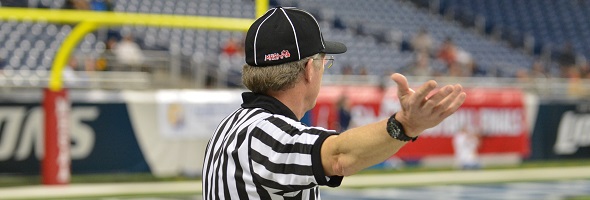
This week, MHSAA officials coordinator Sam Davis explains new rules in golf for 2019-2020, including those pertaining to the use of cell phones during play.
Be The Referee is a series of short messages designed to help educate people on the rules of different sports, to help them better understand the art of officiating, and to recruit officials.
Below is this week's segment - Golf Rules Changes - Listen
Even though golf rules are mostly on the integrity of the players, there are several MHSAA-enacted changes that take effect this year.
One allows for the use of cell phones to call a coach or meet administrator for health and safety issues, the inputting of live scores, to contact a rules official with questions and to use as a distance-measuring device.
Dedicated distance finder devices will also be allowed for use in MHSAA Tournament play.
Another new local rule caps the maximum score per hole at 12 strokes in tournament activity.
Past editions
Oct. 3: No Tackle Box - Listen
Sept. 26: You Make the Overtime Call - Listen
Sept. 19: Swimming Finishing Touch - Listen
Sept. 12: Curbing Gamesmanship By Substitution - Listen
Sept. 5: Football Safety Rules Changes - Listen
Aug. 29: 40-Second Play Clock - Listen
Be the Referee: Volleyball Replays
By
Sam Davis
MHSAA Director of Officials
September 13, 2022
Be The Referee is a series of short messages designed to help educate people on the rules of different sports, to help them better understand the art of officiating, and to recruit officials.
Below is this week's segment – Volleyball Replays - Listen
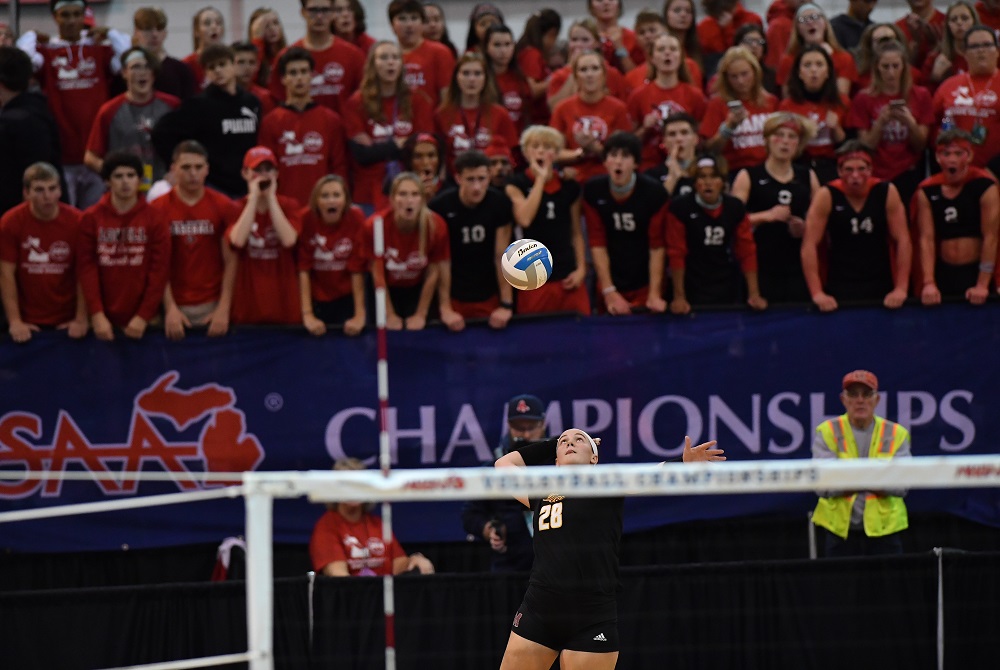
In volleyball, you’ll sometimes see the first referee gives a double thumbs-up signal. That’s not because the referee was impressed with a huge spike. So what does it mean?
A double thumbs-up signal indicates there will be a replay of the rally or point. What causes a do-over for a rally or point?
This most often occurs when something or someone enters the proximity of the playing area, but can also happen when the ball gets lodged in the net or overhead obstruction. When it hits certain objects on the wall short distances from the court, and when a player gets a little anxious and serves before the first ref’s whistle.
And, unlike any other sport, the point will be replayed if the officials just can’t come to an agreement on the call. The point gets wiped off the board, and the whole rally starts anew, like it never happened.
Previous Editions:
Sept. 6: Switching Sides - Listen
Aug. 30: Play Clock - Listen
Aug. 23: Intentional Grounding Change - Listen