

Be the Referee: Volleyball Double & Lift
By
Paige Winne
MHSAA Director of Brand Management
October 3, 2023
Be The Referee is a series of short messages designed to help educate people on the rules of different sports, to help them better understand the art of officiating, and to recruit officials.
Below is this week's segment – Volleyball Double & Lift - Listen
You’re sitting at a volleyball match and hear parents in the stands yell “Double!” or “Lift!”
What do those terms mean, and why are they yelling them?
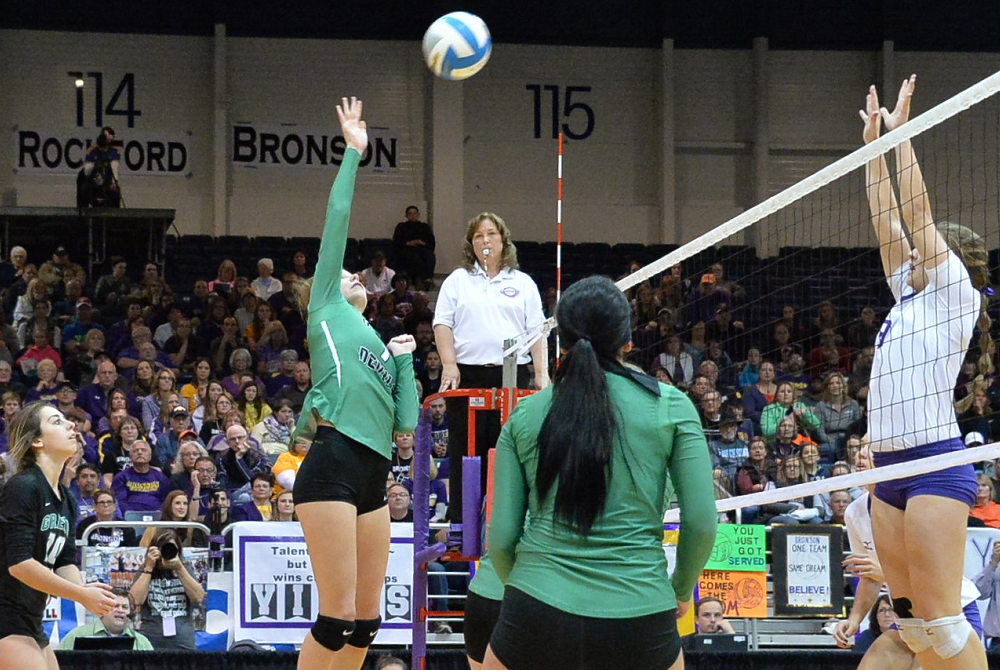
Double refers to double contact. That’s when a player hits the ball twice in a row or if the ball touches two parts of the player’s body in succession. If a setter hits the ball with one hand then the other – even if immediate, it’s a double. She needs to set with both hands at the same time.
A lift is when the player, typically a setter, has prolonged contact with the ball that results in throwing or re-directing the ball back into play. The ball doesn’t rebound off the player's fingers or hands, but is directed by the player.
The official on the stand at the net is in the best position to notice these fouls.
Previous Editions
Sept. 26: Registration Process - Listen
Sept. 20: Animal Interference - Listen
Sept. 13: Feet Rule on Soccer Throw-In - Listen
Sept. 6: Volleyball Jewelry - Listen
Aug. 30: Football Rules Similarities - Listen
Aug. 23: Football Rules Differences - Listen
(PHOTO by Gary Shook.)
Be the Referee: Soccer Changes
By
Paige Winne
MHSAA Director of Brand Management
September 22, 2026
Be The Referee is a series of short messages designed to help educate people on the rules of different sports, to help them better understand the art of officiating, and to recruit officials.
Below is this week's segment – Soccer Changes - Listen
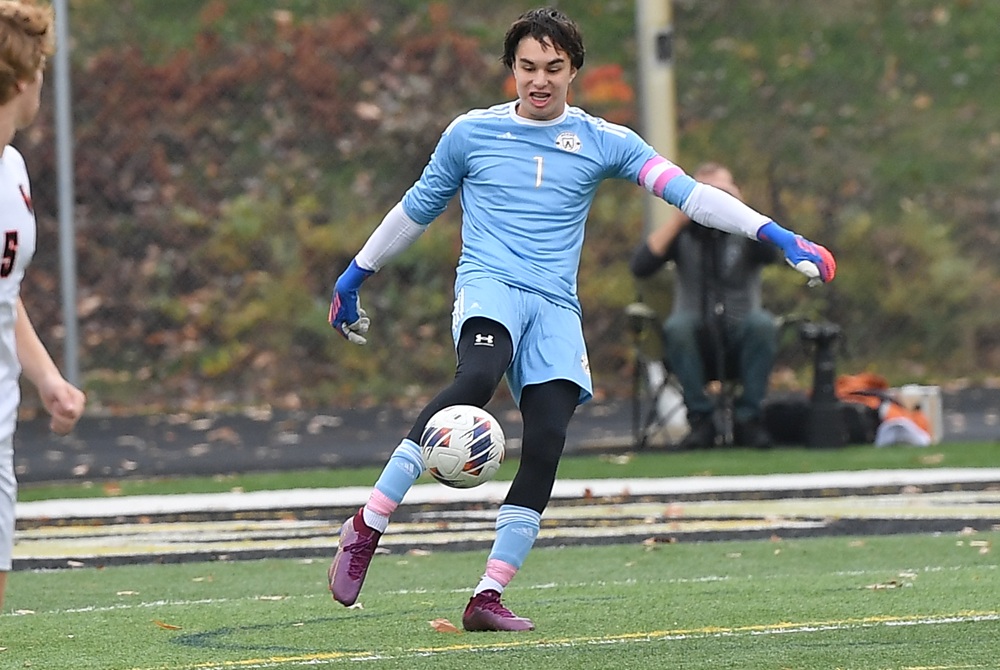
New this year in high school soccer, goalkeepers will have more time available to them before having to release the ball.
Now – once a keeper establishes possession of the ball – they will have eight seconds before having to play the ball. Previously, keepers had six seconds before having to release it.
The penalty for failing to release the ball in time is also changing.
A goalkeeper who is whistled for hanging on to the ball for longer than eight seconds will now see the opponent awarded a corner kick. The old rule awarded an indirect free kick.
So remember – starting this year – keepers get up to eight seconds before having to release the ball, and failure to do so will result in a corner kick for the opposing team.
Previous 2026-27 editions
Sept: 15: Dead Ball Penalty - Listen
Sept. 8: Libero Ejected - Listen
Sept. 1: Soccer Foul After Shot on Goal - Listen
Aug. 25: Fumble Out of Bounds - Listen