


See the Whole Play
August 19, 2014
Here are a few more pearls of wisdom from the nation’s leading gathering of sports officials, these from Barry Mano, NASO president:
- “Incorrect no-calls are easier to explain than incorrect calls.”
- “Officials are to enforce, not appease.”
- “In spite of their criticisms, there is no sensible parent who would want their child to participate without officials.”
Be the Referee: Legacy Program
April 21, 2016
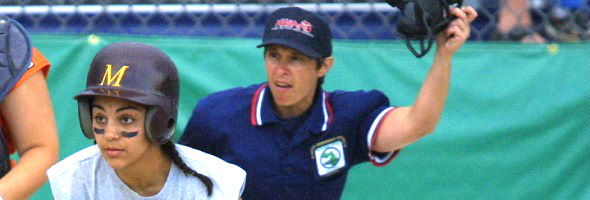
This week, MHSAA assistant director Mark Uyl trumpets the benefits of the Legacy Program for aspiring officials.
Be The Referee is a series of short messages designed to help educate people on the rules of different sports, to help them better understand the art of officiating, and to recruit officials.
Below is this week's segment - Legacy Program - Listen
The MHSAA’s Legacy Official Program is a great way for high school junior and senior students to get involved in officiating.
The Legacy Program allows these current high school students to register and work games at the subvarsity and junior high level. Each Legacy official is paired with a Mentor official, a long-time official who has years of experience they can pass on to the brand new official.
The Legacy Program is a way that an official can get started on the right foot, with a strong system and mentor system, to where the lessons learned in the first few years of officiating can bear fruit for many years.
Past editions:
April 14: Baseball/Softball Replay - Listen
March 24: Use of the Monitor - Listen
March 17: Block/Charge - Listen
March 10: Ball Stuck on the Rim - Listen
March 3: Three Seconds - Listen
Feb. 25: Deciding the Game - Listen
Feb. 18 : Cheer Safety - Listen
Feb. 11: Primary Areas - Listen
Feb. 4: Block/Charge Calls - Listen
Jan. 28: Dive on the Floor - Listen
Jan. 21: Hockey Officials' Options - Listen
Jan. 14: Recruiting Officials - Listen
Jan. 7: Wrestling Weight Monitoring - Listen
Dec. 31: Respect for Referees - Listen
Dec. 24: Basketball Instant Replay - Listen
Dec. 17: Basketball Communication - Listen
Dec. 10: Basketball Excessive Contact - Listen
Nov. 26: Pregame Communication - Listen
Nov. 19: Trick Plays - Listen
Nov. 12: 7-Person Football Mechanics - Listen
Nov. 5: Make the Call: Personal Fouls - Listen
Oct. 29: Officials Demographics - Listen
Oct. 15: Make the Call: Intentional Grounding - Listen
Oct. 8: Playoff Selection - Listen
Oct. 1: Kick Returns - Listen
Sept. 24: Concussions - Listen
Sept. 17: Automatic First Downs - Listen
Sept. 10: Correcting a Down - Listen
Sept 3: Spearing - Listen
Aug. 27: Missed Field Goal - Listen