


See the Whole Play
August 19, 2014
Here are a few more pearls of wisdom from the nation’s leading gathering of sports officials, these from Barry Mano, NASO president:
- “Incorrect no-calls are easier to explain than incorrect calls.”
- “Officials are to enforce, not appease.”
- “In spite of their criticisms, there is no sensible parent who would want their child to participate without officials.”
Be the Referee: Respect for Referees
January 1, 2016
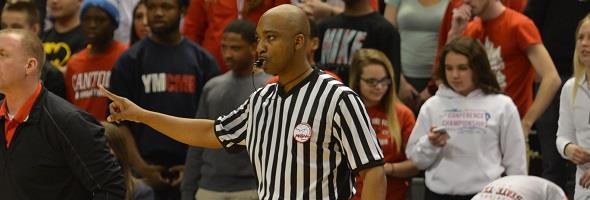
This week, MHSAA assistant director Mark Uyl discusses the importance of respecting the referees who are learning as well while working with our youngest athletes.
Be The Referee is a series of short messages designed to help educate people on the rules of different sports, to help them better understand the art of officiating, and to recruit officials.
Below is this week's segment - Respect for Referees - Listen
Over the past three years, I’ve gotten to attend my share of middle school athletic events with my oldest two children being involved in a variety of sports at this level.
In just about every game, there have been times where I have shaken my head in watching how the some of the adults involved conduct themselves, especially those adults sitting in the stands.
Middle school sports should have the focus of kids participating, learning the game and having fun. In these games, you have the most inexperienced players, newer coaches and often times officials just starting out. Everyone is learning at this level, and a critical eye could identify numerous things done by each of these groups that could be improved upon.
Adult spectators at subvarsity games need to be positive people … cheer for your team and child, and avoid the second-guessing and criticism of officials. We need to give these officials a chance to gain experience and become a good referee.
Past editions:
Dec. 24: Basketball Instant Replay - Listen
Dec. 17: Basketball Communication - Listen
Dec. 10: Basketball Excessive Contact - Listen
Nov. 26: Pregame Communication - Listen
Nov. 19: Trick Plays - Listen
Nov. 12: 7-Person Football Mechanics - Listen
Nov. 5: Make the Call: Personal Fouls - Listen
Oct. 29: Officials Demographics - Listen
Oct. 15: Make the Call: Intentional Grounding - Listen
Oct. 8: Playoff Selection - Listen
Oct. 1: Kick Returns - Listen
Sept. 24: Concussions - Listen
Sept. 17: Automatic First Downs - Listen
Sept. 10: Correcting a Down - Listen
Sept 3: Spearing - Listen
Aug. 27: Missed Field Goal - Listen