

Coaches Guide to Nutrition: Refuel for the Finish
November 17, 2026
As athletes head into competition, refueling becomes an important part of staying ready for what comes next.
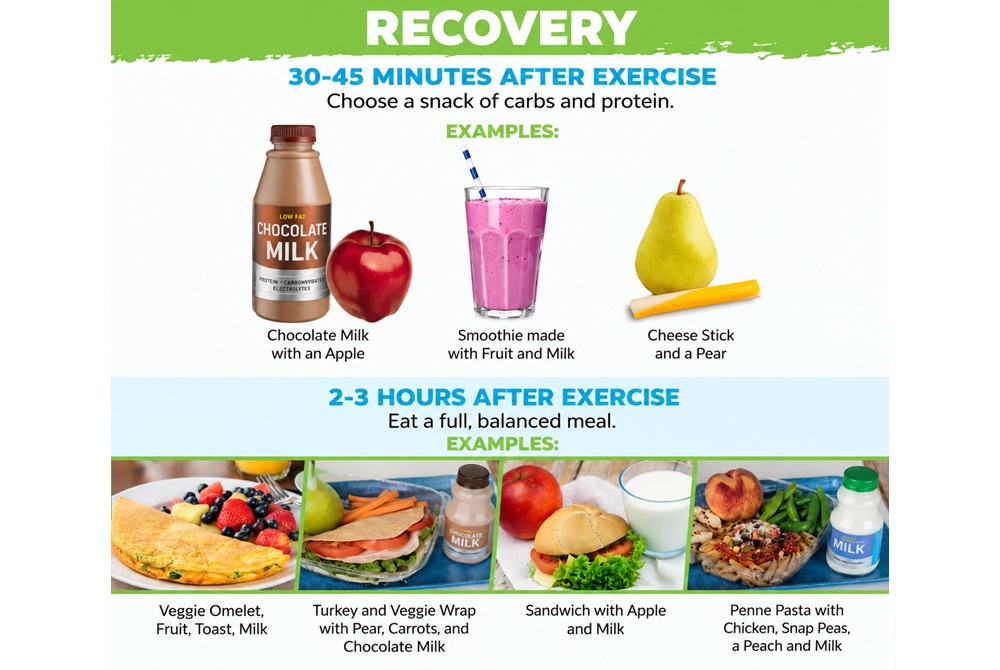
 After exercising, the body needs the right nutrition to refuel energy stores and support muscle recovery.
Carbohydrates help replenish energy, while protein helps repair and rebuild muscles, making both an important part of post-exercise refueling.
The first 30–45 minutes after exercise is an important opportunity to begin refueling.
Chocolate milk is one convenient option because it provides carbohydrates, protein, fluids, and electrolytes to help athletes refuel, rebuild, and rehydrate.
Athletes should continue to refuel with a balanced meal within 2-3 hours to continue supporting recovery.
Whether it’s after practice, a semifinal, or the championship game, proper refueling can help athletes prepare to give their best effort the next time they compete.
Information above is excerpted from UDIM’s A Coach’s Guide to Nutrition.

The COVID-19 Pandemic & Your Teen's Mental Health
April 13, 2021

Even in normal times, a teenager often feels emotional, vulnerable, insecure and confused.
But when a global pandemic turns their world upside down, many teens feel completely overwhelmed. They are challenged with social distancing, remote learning and the cancellation of important events and activities, like school sports, homecoming, prom and graduation. They also may be worried about the health of loved ones.
How to Tell if It's Anxiety or Depression
Aurif Abedi, M.D., a child and adolescent psychiatrist with Henry Ford Allegiance Health, advises parents to look for changes in your teen’s behavior. Don't ignore signs of anxiety and depression, such as:
► Experiencing mood swings, agitation, frequent irritability or outbursts of intense anger.
► Being uninterested in connecting with friends or family – avoiding interactions and not texting, gaming or video chatting with friends.
► Losing interest in things they normally enjoy, like music, drawing or other hobbies.
► Having difficulty sleeping or sleeping more than usual.
► Losing their appetite or eating more frequently, often resulting in weight fluctuations.
► Not showering regularly, and not making an effort with how they look.
► Struggling with school: having attendance problems, not finishing assignments, or seeing a drop in grades.
► Engaging in risky behavior, including drug or alcohol use.
How to Help Your Anxious or Depressed Teen
Gently tell your child you’ve noticed a change in their behavior and give examples. Help them feel safe to tell you how they feel. Let them know you want to help and encourage them to ask questions.
Contact your teen’s doctor about your concerns. The doctor can complete an assessment and make recommendations, including letting you know if counseling seems appropriate.
If There is a Risk of Suicide
Thoughts of suicide, desperation or hopelessness should always be taken seriously. Make sure your home is safe for your child by locking up medications and weapons and getting help for your teen.
Contact your child’s doctor, call the National Suicide Prevention Lifeline at 1-800-273-8255, text TALK to the Crisis Line at 741741, or take your child to the nearest emergency department for an assessment. If your teen is in immediate danger of serious self-harm, call 9-1-1 immediately.
Learn about the wide range of behavioral health treatment options available at Henry Ford Health System.
Dr. Aurif Abedi, is a physician who is board-certified in psychiatry as well as child and adolescent psychiatry, and sees patients at Henry Ford Allegiance Health in Jackson.