

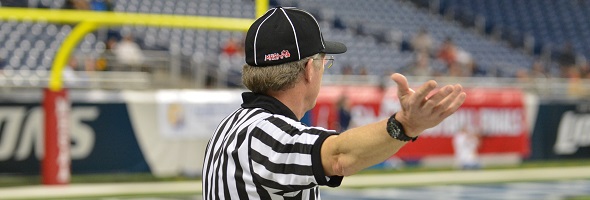
Be the Referee: Athletic Empty Nesters
October 5, 2017
In this week's edition, MHSAA assistant director Mark Uyl talks about one of our prized recruiting targets when it comes to pursuing new officials.
Be The Referee is a series of short messages designed to help educate people on the rules of different sports, to help them better understand the art of officiating, and to recruit officials.
Below is this week's segment – Athletic Empty Nesters - Listen
The recruitment of new officials is an ongoing task for the MHSAA.
Over the years, most recruiting efforts have sought to target young people, finding those graduating high school senior student athletes, or pursuing those college students who are looking for a way to make some extra cash while in school in becoming a sports official.
One group, however, that we’re continuing to recruit are what we call the athletic empty nesters. It’s those moms and dads who have been following their kids as they played their own high school sports. Once the kids have finished their time on the team, we’d like to get those moms and dads to become part of our team and become an official.
There’s Help Wanted – Just Whistle!
Past editions
September 28: Misunderstood Football Rules: Kicking - Listen
September 21: Preparation for Officials - Listen
September 14: Always Stay Registered - Listen
September 7: Other Football Rules Changes - Listen
August 31: Pop-Up Onside Kicks - Listen
August 24: Blindside Blocks - Listen
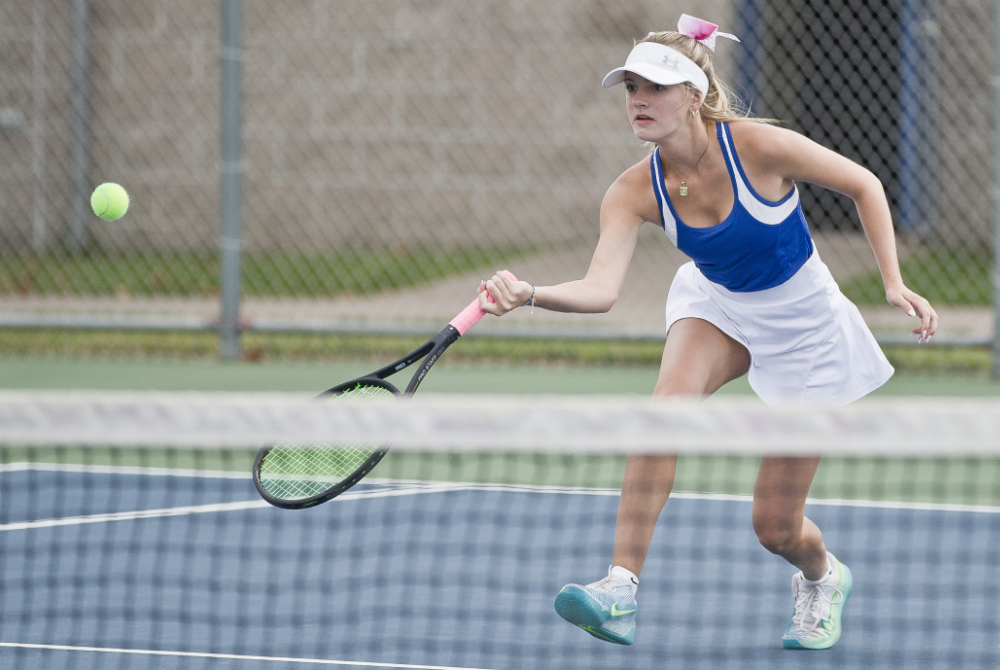
Be the Referee: Tennis Spin
By
Paige Winne
MHSAA Director of Brand Management
October 17, 2023
Be The Referee is a series of short messages designed to help educate people on the rules of different sports, to help them better understand the art of officiating, and to recruit officials.
Below is this week's segment – Tennis Spin - Listen
Today’s "You Make the Call" takes us to the tennis court.
We’re in the middle of a volley when I hit a shot with a ton of spin on it. It goes over the net, bounces and then spins back over the net towards me, without being hit by my opponent.
What’s the call?
My opponent never hit the ball, so I win the point. The same rule applies if it’s wind, not spin, blowing the ball back over the net.
My opponent could have returned my shot, even if they had to reach over the net to do so, as long as they didn’t touch the net while returning. If my opponent hits the net in the process of returning my shot, it’s also my point.
Previous Editions
Oct. 10: Blocked Kick - Listen
Oct. 3: Volleyball Double & Lift - Listen
Sept. 26: Registration Process - Listen
Sept. 20: Animal Interference - Listen
Sept. 13: Feet Rule on Soccer Throw-In - Listen
Sept. 6: Volleyball Jewelry - Listen
Aug. 30: Football Rules Similarities - Listen
Aug. 23: Football Rules Differences - Listen