


Be the Referee: Blindside Blocks
August 24, 2017
This week, "Be the Referee" with MHSAA assistant director Mark Uyl returns with the first of a three-part series on football rules changes for 2017, this one on blindside blocking.
Be The Referee is a series of short messages designed to help educate people on the rules of different sports, to help them better understand the art of officiating, and to recruit officials.
Below is this week's segment – Blindside Blocks - Listen
We're going to start the new school year with a three-part series on football rule changes.
There may be no hit in football that generates more "ohs" and “ahs" than the blindside hit. It's also one of the most dangerous hits in the game.
The defensive player in pursuit of the runner, who does not have a reasonable opportunity to see the oncoming blocker, is considered defenseless. In keeping with putting player safety first, national rules now allow blocking from the blindside only when contact is initiated with the hands – achieving the same effect without all the contact.
That big blindside hit will now result in a 15-yard penalty and possible ejection from the game.
Next week, we'll look at changes to rules covering onside kicks.
Be the Referee: Libero Ejected
By
Paige Winne
MHSAA Director of Brand Management
September 8, 2026
Be The Referee is a series of short messages designed to help educate people on the rules of different sports, to help them better understand the art of officiating, and to recruit officials.
Below is this week's segment – Libero Ejected - Listen
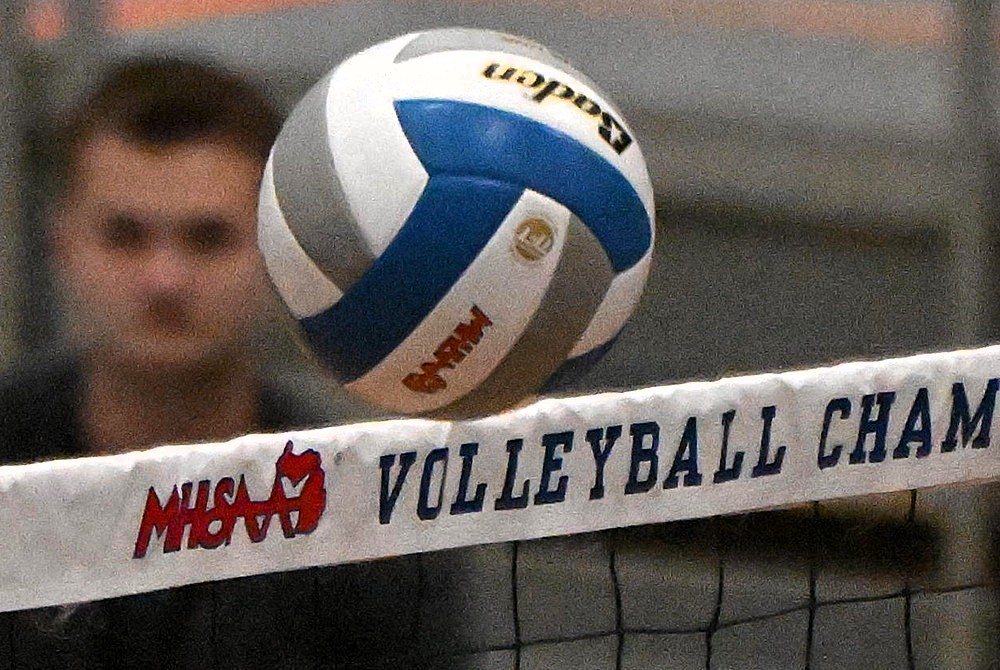
We’re on the volleyball court today, where the home team only had one libero listed.
In the middle of the first set, that libero is disqualified for making vulgar comments to the first referee.
Can the home team now designate a new libero? Or do they play without a libero for the rest of the match? Or for just the rest of that set before picking a new libero?
If you said they must play the rest of the set without a libero and then can designate a new one before the start of the second set, you are correct.
Remember, a libero is a back-row defensive specialist who focuses on passing and digging. They can’t attack the ball above the net or play on the front row – but can substitute in and out freely for back-row players without counting against official substitution limits.
Previous 2026-27 editions
Sept. 1: Soccer Foul After Shot on Goal - Listen
Aug. 25: Fumble Out of Bounds - Listen