

Be the Referee: Penalty Kick Change
October 6, 2016
This week, MHSAA assistant director Mark Uyl explains how soccer penalty kick rules have been changed this year to dissuade players from hesitating before taking the kick.
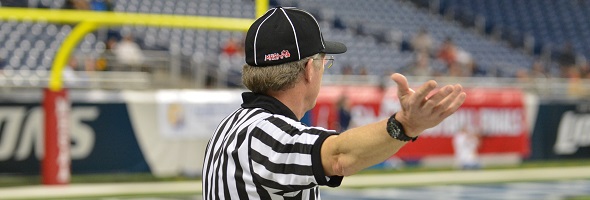
Be The Referee is a series of short messages designed to help educate people on the rules of different sports, to help them better understand the art of officiating, and to recruit officials.
Below is this week's segment – Soccer Penalty Kick Change - Listen
In the game of soccer, goals are tough to come by. That’s why in some of the most important games, we see those contests head into overtime and ultimately get decided by penalty kicks – or P-Ks.
The rules dealing with penalty kicks have changed for this year. In years past, whenever a player would hear the referee’s whistle and start to move toward the ball to make a penalty kick, any hesitation, delay or stutter-step would make that kick illegal. In past years, that player always got an opportunity to take a re-kick.
But this year, there is no opportunity for that player to take an additional re-kick.
Past editions
Sept. 29: Preparation for Officials - Listen
Sept 22: You Make the Call: Returning Kickoffs - Listen
Sept. 15: Concussions - Listen
Sept 8: Equipment Covering the Knees - Listen
Sept. 1: Play Clock Experiment - Listen
Aug. 25: Clipping in the Free Blocking Zone - Listen

Registration for 2016-17 Underway
June 16, 2016
This week, MHSAA assistant director Mark Uyl explains how registration works for MHSAA officials and the benefits of signing up.
Be The Referee is a series of short messages designed to help educate people on the rules of different sports, to help them better understand the art of officiating, and to recruit officials.
Below is this week's segment - Registration for 2016-17 Underway - Listen
This week, registration kicks off once again for the 2016-17 school year for all MHSAA officials, referees, umpires and judges in all of our sports.
An official must register annually with the MHSAA. Once registered, that official becomes eligible to accept game assignments in the sports that he or she are registered in.
With an officials registration fee, officials get insurance, both liability insurance as well as catastrophic medical coverage; rule books, officiating manuals, and other tools and resources as the training and preparation process begins for next school year.
Past editions:
June 9: Summer Camps - Listen
June 2: Use of Electronic Devices - Listen
May 26: Slide Rule - Listen
May 19: Wooden Bats - Listen
May 12: Baseball Pitch Counts - Listen
May 5: Home Run or Not? - Listen
April 28: Norris Award Winner Linda Hoover - Listen
April 21: Legacy Program - Listen
April 14: Baseball/Softball Replay - Listen
March 24: Use of the Monitor - Listen
March 17: Block/Charge - Listen
March 10: Ball Stuck on the Rim - Listen
March 3: Three Seconds - Listen
Feb. 25: Deciding the Game - Listen
Feb. 18 : Cheer Safety - Listen
Feb. 11: Primary Areas - Listen
Feb. 4: Block/Charge Calls - Listen
Jan. 28: Dive on the Floor - Listen
Jan. 21: Hockey Officials' Options - Listen
Jan. 14: Recruiting Officials - Listen
Jan. 7: Wrestling Weight Monitoring - Listen
Dec. 31: Respect for Referees - Listen
Dec. 24: Basketball Instant Replay - Listen
Dec. 17: Basketball Communication - Listen
Dec. 10: Basketball Excessive Contact - Listen
Nov. 26: Pregame Communication - Listen
Nov. 19: Trick Plays - Listen
Nov. 12: 7-Person Football Mechanics - Listen
Nov. 5: Make the Call: Personal Fouls - Listen
Oct. 29: Officials Demographics - Listen
Oct. 15: Make the Call: Intentional Grounding - Listen
Oct. 8: Playoff Selection - Listen
Oct. 1: Kick Returns - Listen
Sept. 24: Concussions - Listen
Sept. 17: Automatic First Downs - Listen
Sept. 10: Correcting a Down - Listen
Sept 3: Spearing - Listen
Aug. 27: Missed Field Goal - Listen