

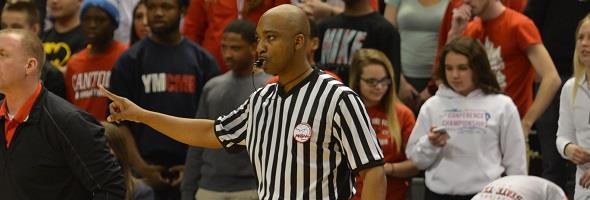
Be the Referee: Respect for Referees
January 1, 2016
This week, MHSAA assistant director Mark Uyl discusses the importance of respecting the referees who are learning as well while working with our youngest athletes.
Be The Referee is a series of short messages designed to help educate people on the rules of different sports, to help them better understand the art of officiating, and to recruit officials.
Below is this week's segment - Respect for Referees - Listen
Over the past three years, I’ve gotten to attend my share of middle school athletic events with my oldest two children being involved in a variety of sports at this level.
In just about every game, there have been times where I have shaken my head in watching how the some of the adults involved conduct themselves, especially those adults sitting in the stands.
Middle school sports should have the focus of kids participating, learning the game and having fun. In these games, you have the most inexperienced players, newer coaches and often times officials just starting out. Everyone is learning at this level, and a critical eye could identify numerous things done by each of these groups that could be improved upon.
Adult spectators at subvarsity games need to be positive people … cheer for your team and child, and avoid the second-guessing and criticism of officials. We need to give these officials a chance to gain experience and become a good referee.
Past editions:
Dec. 24: Basketball Instant Replay - Listen
Dec. 17: Basketball Communication - Listen
Dec. 10: Basketball Excessive Contact - Listen
Nov. 26: Pregame Communication - Listen
Nov. 19: Trick Plays - Listen
Nov. 12: 7-Person Football Mechanics - Listen
Nov. 5: Make the Call: Personal Fouls - Listen
Oct. 29: Officials Demographics - Listen
Oct. 15: Make the Call: Intentional Grounding - Listen
Oct. 8: Playoff Selection - Listen
Oct. 1: Kick Returns - Listen
Sept. 24: Concussions - Listen
Sept. 17: Automatic First Downs - Listen
Sept. 10: Correcting a Down - Listen
Sept 3: Spearing - Listen
Aug. 27: Missed Field Goal - Listen
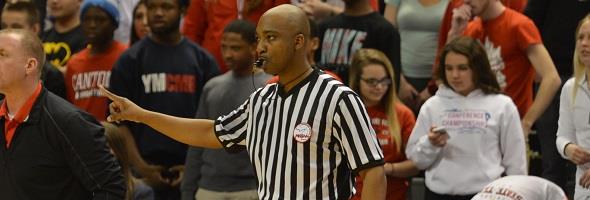
Be the Referee: We Get Letters
March 15, 2018
In this week's edition, assistant director Mark Uyl tells of a letter that caught our attention, sent by one of our member school superintendents in support of officials and pledging to improve sportsmanship.
Be The Referee is a series of short messages designed to help educate people on the rules of different sports, to help them better understand the art of officiating, and to recruit officials.
Below is this week's segment – We Get Letters - Listen
Over the course of any school year, the MHSAA receives thousands of pieces of correspondence. We recently received a letter from a member school superintendent that really caught our attention.
The letter was addressed to the officials in this superintendent’s local area; and in that was a pledge – it was a pledge by that individual school, along with the entire league – that they were going to improve sportsmanship in their area, and also improve the experience that officials had when working at those schools.
The superintendent promised more accountability for his coaches, his players, and especially his adult spectators in raising the bar for those sportsmanship expectations, to keep those officials in the game.
Past editions
February 22: Block/Charge Calls - Listen
February 15: Dog Days of February - Listen
February 8: National Playing Rules Process - Listen
February 1: Calling Intentional Fouls - Listen
January 25: Points at the Edge of the Mat - Listen
January 18: Behavior Warning - Listen
January 11: Ice Hockey Safe & Sound - Listen
January 4: Why No Shot Clock - Listen
December 21: Coaches Responsible for Equipment - Listen
December 14: Mentoring New Officials - Listen
December 7: Dive on the Floor - Listen
November 30: Wrestling Weight Monitoring - Listen
November 23: Ejections - Listen
November 16: Toughest Call - Listen
November 9: Hurdling - Listen
November 2: The Survey Says - Listen
October 26: Helmet Comes Off - Listen
October 19: Goal Line Rules - Listen
October 12: No 1st-Year Fee - Listen
October 5: Athletic Empty Nesters - Listen
September 28: Misunderstood Football Rules: Kicking - Listen
September 21: Preparation for Officials - Listen
September 14: Always Stay Registered - Listen
September 7: Other Football Rules Changes - Listen
August 31: Pop-Up Onside Kicks - Listen
August 24: Blindside Blocks - Listen