


7 Sleeping Tips for Student-Athletes
November 5, 2019

Henry Ford Health System
Many athletes seem to believe time spent not training is time wasted. But, on the contrary.
The time athletes spend resting and sleeping is actually just as important. Take the world’s best female skier, Mikaela Shiffrin, for example. Shiffrin reportedly not only sleeps nine hours each night, but naps at least an hour every day.
So, what does sleeping have to do with her success? When asleep, the body not only has time to recover, but the information that was taken in during the day goes from short-term memory and becomes long term.
“Being an elite athlete is a 24-hour profession, and sleep and recovery are integral to optimal performance,” says Meeta Singh, M.D., a sleep medicine specialist at Henry Ford Health System.
Here are seven tips to help your student athlete catch some Zzzs during the season:
1. Limit caffeine. Caffeine is a popular ingredient in many pre-workout drinks, and many athletes choose to use it for an energy boost. However, having caffeine late in the day may make falling asleep and staying asleep difficult. But, everyone reacts differently to caffeine, so athletes should try logging their intake to determine what time to stop consuming and how much is okay to consume.
2. Maintain a regular sleep schedule. The body has an internal clock that’s largely affected by environment. Going to bed and waking up at approximately the same time each day can add a natural rhythm to the body’s internal clock, which can cause people to feel more awake during the day and fall asleep easily at night.
3. Workout early. Often times, working out later in the day gives people a burst of energy that can keep them up late into the night. For example, exercising after 9 p.m. can boost body temperature, making sleep difficult. However, research shows morning workouts can help achieve deeper sleep, and working out in the afternoon can help reduce insomnia.
4. Unplug. Nothing can keep one up at night like a buzzing smartphone. Additionally, the blue light a phone emits may slow the production of melatonin, making sleep difficult. Advise your children to leave electronics out of reach while they’re sleeping. And as an added bonus: If their phone is their alarm, it will force them out of bed in the mornings.
5. Use essential oils. Essential oils have seen growing popularity in recent years, and this is in part because scent helps trigger memory. Oils can be diffused, rubbed on temples or drops can be spread on pillows. Popular oils for promoting sleep are lavender, valerian root and roman chamomile.
6. Focus on breathing. Focusing on breath can help steady heart rate and relax the body. A popular breathing technique is the 4-7-8 exercise, in which one inhales through the nose for four seconds, holds their breath for seven, and exhales for eight.
7. Keep it dark, cool and quiet. Having the right environment is an important part of falling asleep … and staying asleep.
Ultimately, when it comes to enhancing athletic performance, getting proper sleep, resting and recovering can be just as important as training or hitting the gym.
“Since sleep can modulate reaction time and accuracy, it’s important to ensure an athlete gets his or her Zzzs,” Dr. Singh says.
See also: Is Your Teen Sleep Deprived?
Want to learn more? Henry Ford Health System sports medicine experts are treating the whole athlete, in a whole new way. From nutrition to neurology, and from injury prevention to treatment of sports-related conditions, they can give your athlete a unique game plan.
Visit henryford.com/sports or call (313) 972-4216 for an appointment within 24 business hours.
Women & ACL Injuries: Know Risks, Steps for Prevention
August 10, 2021
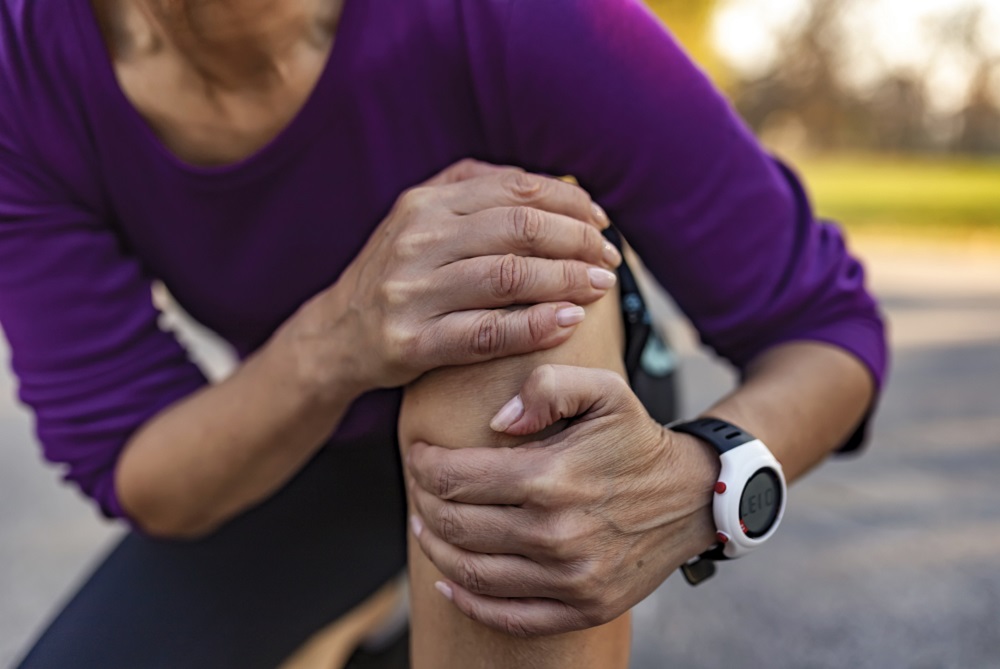
Whether you’re a casual jogger or elite athlete, you’re at risk for an injury to your anterior cruciate ligament (ACL). If you’re a woman, you are at even greater risk for these injuries.
But there are steps you can take to prevent them.
“Among athletes, women are more than twice as likely to have an ACL injury than men,” says Nithin Natwa, M.D., a sports medicine specialist and primary care physician at Henry Ford Health System. “Once you have an ACL injury, you are at greater risk for having further soft tissue injuries in the future. That’s why it is important to prevent these injuries and follow your treatment plan if injured.”
What Is An ACL Injury?
An ACL injury is a strain or tear in the ACL, one of the four major ligaments that support the knee so it can flex and bend. The ACL is a strong band of tissue that helps connect your thigh bone (femur) to your shin bone (tibia). “An ACL injury usually occurs without contact when you turn suddenly while running or land off-balance on one leg. These actions overload the knee joint and cause the ACL to be torn,” says Dr. Natwa.
In the United States, 100,000 people have ACL injuries each year. Anyone can experience an ACL injury, though athletes participating in sports like football, basketball, soccer and gymnastics are at highest risk. And summer is a peak time for outdoor sports injuries.
Seek immediate care if you have any of these signs of an ACL injury:
• An audible “pop” in the knee
• Intense knee pain and rapid-onset swelling (within hours)
• Loss of range of motion
• An unstable feeling or locking of your knee
The most common treatment for ACL injuries is surgery followed by physical therapy. After treatment, you can expect to return to normal activities in 6 to 9 months. However, peak athletic performance can take up to two years.
Why Are Women At Higher Risk For ACL Injuries?
According to Dr. Natwa, the differences in athletic training techniques for males versus females have left women at greater risk for ACL injuries. “There has been more emphasis on overall conditioning and mechanics for boys participating in sports compared to girls,” he says.
As a result, women are at greater risk for ACL tears and sprains due to:
• Differences in neuromuscular control: Without conditioning from an early age, women may not have the same ability to land and perform athletic motions that men do. For example, women are at higher risk for an ACL injury after landing from a jump.
• Strength imbalance for muscles that support the knee: Female athletes tend to have more defined quadriceps muscles but weaker hamstrings than men, putting them at greater risk for injury.
According to Dr. Natwa, there are many theories about women’s risk for ACL injury that lack scientific evidence, including:
• Width of the pelvis: Some people have suggested that the wider width of a woman’s pelvis puts more pressure on the knee joint and increases the risk for injury. However, this difference has not been shown to impact a women’s risk for ACL tears or sprains.
• Knee anatomy: The ACL runs through a section of the femur called the intercondylar notch. Women tend to have a narrower notch than men. Regardless of gender, individuals who possess smaller notch dimensions appear to be at greater risk for injury than individuals with larger notches.
• Hormones: Men and women have different hormone levels. But there is currently no concrete evidence that female hormones place women at higher risk for ACL injures.
Steps To Prevent ACL Injuries – Conditioning Early, Often
“The best way to prevent ACL injuries is to begin and maintain regular conditioning exercises at an early age,” Dr. Natwa says. “The more frequently you engage in proper exercises, the lower your risk for injury.”
Consult with a sports medicine specialist, physical therapist or athletic trainer to develop a training routine to prevent ACL and other injuries. Your training program should include exercises that:
• Strengthen the muscles that support your knee: Add strength training to build up your calves, hamstrings and quadriceps muscles. These muscles help stabilize your knee as you move. By strengthening these muscle groups evenly, you can lower your risk for injury.
• Improve overall neuromuscular control: Focus on adding neuromuscular exercises that train your nerves and muscles to react and communicate. For example, you may work on your balance by standing on one leg or sit upright on an exercise ball for short periods of time. And core exercises can strengthen the muscles that support your abdomen and back and help improve your posture as you move. These moves can strengthen your joints and help you learn appropriate balance and technique.
“Exercise really is the best medicine. It can improve your balance and agility as you participate in a sport or prevent injury as you move through your daily activities,” says Dr. Natwa. “Consider adding these exercises to your wellness program.”
Dr. Nithin Natwa is a sports medicine doctor who sees patients at Henry Ford Macomb Health Center in Chesterfield and Henry Ford Macomb Orthopedics and Wound Care in Clinton Township.
Want to learn more? Henry Ford Health System sports medicine experts are treating the whole athlete, in a whole new way. From nutrition to neurology, and from injury prevention to treatment of sports-related conditions, they can give your athlete a unique game plan. To find a sports medicine physician at Henry Ford, visit henryford.com or call 1-800-436-7936.