

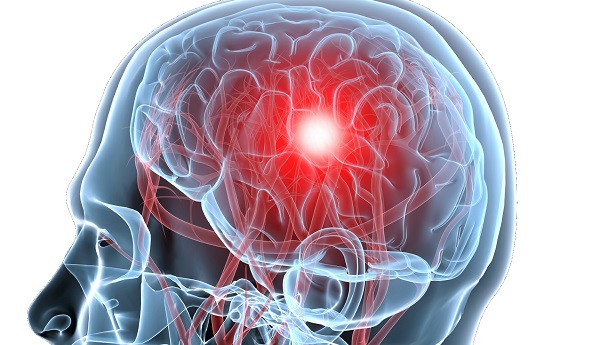
Be Proactive with Concussions
October 22, 2019

Most people have seen the headlines about concussions as a common sports injury, and it's natural that parents may be concerned for their young athlete.
A large misconception in sports is that previous concussions are to be blamed for ongoing headaches, blurred visions and memory loss, among other symptoms.
“It’s really important to think about concussions in concert with overall brain health,” says Jeffrey Kutcher, M.D., a sports neurologist who treats athletes at the Henry Ford Concussion and Sports Neurology Clinic. “Concussions can be concerning, but they shouldn’t be looked at in a vacuum. The best way to prevent brain injury begins before the injury occurs.”
One way to do that is to consult with your child’s doctor or a sports neurologist for an annual evaluation. A sports neurologist focuses on managing sports-related brain and nervous system injuries and conditions in athletes, such as concussions, post-concussion syndrome, peripheral nerve injuries, migraines, epilepsy, and more.
“Having an annual evaluation of your athlete’s brain function when they are healthy and uninjured can help diagnose and treat issues when they arise,” says Dr. Kutcher.
Results from the baseline test can be used as an important tool for comparison by a qualified healthcare professional later if an athlete has a suspected concussion.
Best Practices to Ensure Your Athlete Stays Safe
Dr. Kutcher shares these tips for parents to make sure you’re keeping your child’s brain health and safety – not just their athletic performance – at the forefront:
• Get a brain health baseline. A proper baseline test should include a personal and family neurological history, with a focus on any active issues. It is important to note any neurological conditions that may influence concussion recovery, such as ADHD, depression, anxiety, or migraine headaches.
• Teach your kid to listen to her or his body. With any sport, there is a calculated risk to play. Teaching kids to listen to and be honest about how their body is feeling is the best way to prevent and treat injuries.
• In the event of an injury, look for the signs. Within 24 hours after an injury, an athlete should be evaluated if they are experiencing:
· Headaches
· Fatigue
· Dizziness and nausea
· Changes in sleep habits
· Trouble with memory
· Confusion
· Irritability and anxiety
· Light sensitivity
• Brain injuries don’t just occur with a blow to the head. They can also occur from falls, car accidents, or even through whiplash. If your child is experiencing any symptoms, be sure to consult your physician.
• Brain health is more than just concussions. If your athlete is complaining of chronic headaches, migraines, dizziness, memory or mood issues, there may be an underlying issue.
“There is no magic number of concussions a brain can sustain. Each individual is different,” Dr. Kutcher explains. “The impact severity and recovery time can greatly affect an athlete’s brain. By getting a baseline before the injury, we can establish a goal to work towards in recovery.”
Want to learn more? Henry Ford Health System sports medicine experts are treating the whole athlete, in a whole new way. From nutrition to neurology, and from injury prevention to treatment of sports-related conditions, they can give your athlete a unique game plan.
Visit henryford.com/sports or call (313) 972-4216 for an appointment within 24 business hours.
This Week in High School Sports: 2/10/17
February 10, 2017
The latest edition of "This Week In High School Sports" features a report on the Interstate 8 boys basketball race, discusses Ejections in its Be The Referee segment and finishes with an MHSAA Perspective on transfers in high school sports.
The 5-minute program, powered by MI Student Aid, leads off each week with feature stories from around the state from the MHSAA’s Second Half or network affiliates. "Be The Referee," a 60-second look at the fine art of officiating, comes in the middle of the show; and is followed by a closing MHSAA "Perspective."
Listen to this week's show by Clicking Here.
Past editions
Feb. 3: Powers North Central's boys basketball winning streak, how the local nature of high school sports led to two long-time basketball state records being broken - Listen
Jan. 27: Pixellot technology comes to Otisville-LakeVille, Holt's wrestling community rallies around longtime coach Rocky Shaft - Listen
Jan. 20: Beaverton boys basketball coach Roy Johnston, preserving participation opportunities for girls - Listen
Jan. 13: Alpena teaches life lessons, false promises behind costly "college exposure" events - Listen
Jan. 6: Retirement of Gary Thompkins’ basketball number at Jackson High School, stories told by high school letterwinners' jackets - Listen
Dec. 23: Battle of the Fans VI, gifts we all enjoy including some we may not immediately recognize - Listen
Dec. 16: Williamston boys basketball, recognition for a longtime northern Michgian official - Listen
Dec. 9: New baseball pitch limit, MHSAA rules relation to national championship events - Listen
Dec. 2: Defense reigns in Division 4 Football Final, teaching class in both victory and defeat - Listen
Nov. 25: Novi's repeat volleyball championship, giving thanks for schools' weather-related work - Listen
Nov. 18: Pewamo-Westphalia football star Jared Smith, behind-the-scenes heroes - Listen
Nov. 11: Mount Pleasant Sacred Heart girls cross country, Big Ten move to Friday night football - Listen
Nov. 4: Upper Peninsula 8-player football showdown, how high school sports in Michigan have it pretty good compared with other states - Listen
Oct. 28: Montrose School Broadcast Program athletes, Football Playoff excitement - Listen
Oct. 21: Grosse Pointe Woods University Liggett boys tennis, Football Playoffs selection breakdown - Listen
Oct. 14: Sturgis girls golf, latest from "You've Got to be Kidding Me" file - Listen
Oct. 7: Grand Ledge boys soccer, recent NFHS Hall of Fame selection Ken Beardslee of Vermontville - Listen
Sept. 30: Grand Rapids South Christian boys soccer, Michigan teams supporting many worthy causes - Listen
Sept. 23: Newberry football, downsides of national coverage of high school sports - Listen
Sept. 16: MHSAA study of concussions in high school sports during the 2015-16 school year - Listen
Sept. 9: Benton Harbor football, football rules differences between high school and college/pro levels - Listen
Sept. 2: Fenton boys cross country, debuts of new football stadiums - Listen
Aug. 29: Haslett no-contact football practices, multi-sport participation and sportsmanship - Listen