


Health Tip: Game Day Nutrition
September 24, 2019
 By Nick Parkinson, M.Ed., ATC, AT
Henry Ford Health System
Parents, you know how important it is for your student athlete to be well-rested, well-fueled and well-hydrated. Just like a car needs gas, their bodies needs food.
So, whether they’re doing an intense workout during practice or competing in a strenuous game, it’s crucial for them to be properly hydrated and nourished, both before and after, so they can perform their best and recover properly.
Pre-Training Nutrition
The most important part of pre-training nutrition is making sure your child’s food choices give them the healthy energy boost they need for the type of physical activity they’re engaged in, and not a just quick sugar rush.
Carbohydrates may have a bad reputation, but they’re actually the body’s main source of energy. Before a workout, a healthy snack is a great idea. The trick is to eat far enough in advance to be able to digest before being active.
To ensure proper digestion while fueling up, follow these tips:
If there’s less than two hours until go time, try a quick snack like a banana, apple, or a small bowl of Greek yogurt with granola and fruit.
Have a little time to spare? You could try a brown rice bowl with sautéed vegetables or a cup of oatmeal topped with fruit.
Either way, carbs will fuel the body so your child can perform at his or her peak.
Post-Training Nutrition
After an intense workout or game, your child’s body is depleted of its nutrients. It needs to be recharged, which means eating carbs, fats and proteins. The word “fats” tends to scare people, but they’re actually a crucial component in building muscle and recovering.
After an event where your athlete worked out hard, encourage your child to eat something that includes multiples food groups. Try something simple like avocado or peanut butter toast, hummus with veggies and whole-wheat pita, or even a smoothie.
Hydration No Matter What
Regardless of the intensity of the workout, the most important thing is to keep your kid hydrated before, during and after.
It is recommended to top off water intake approximately two hours before any physical activity. Then, athletes should continue hydrating throughout. And while there are many sports drinks to choose from, the healthiest option is water. If you want to add some fun (and natural) flavors to them, try infusing with fruits and/or veggies.
Want to learn more? Henry Ford Health System sports medicine experts are treating the whole athlete, in a whole new way. From nutrition to neurology, and from injury prevention to treatment of sports-related conditions, they can give your athlete a unique game plan.
Visit henryford.com/sports or call (313) 972-4216 for an appointment within 24 business hours.
Choose the Right Sports Medicine Expert
July 7, 2020
By Christina Eyers, Ed.D., AT, ATC
Henry Ford Health System
If you're an athlete, chances are you'll require specialized care from a health professional during your career.
Confused about the differences between athletic trainers, sports medicine physicians and exercise physiologists, among other experts? You're not alone!
Each of these professionals has different levels of training, expertise and certifications, but the care they provide often overlaps. That's one reason why they often work together.
Sports Professionals Defined
Caring for athletes isn't always clear-cut. In fact, most athletes require a full team of professionals working in concert to stay at the top of their game. Yet confusion remains about which professionals you need to see for training, injury prevention, and recovery and treatment after an injury.
Each type of professional has its own set of experience, training and certifications. Here’s how they measure up:
· Sports medicine doctor: Sports medicine physicians are typically trained in orthopedic surgery, primary care or emergency medicine. These professionals have medical degrees as well as specialized training in sports medicine, including the prevention and treatment of injury. In addition to caring for conditions ranging from concussion to head colds, sports medicine physicians also focus on helping people return to sports safely and effectively after illness or injury.
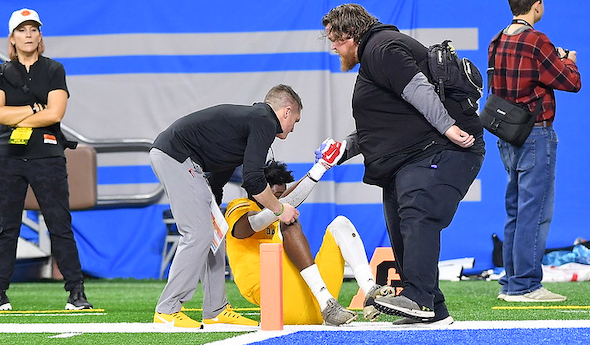
· Athletic trainer: Athletic trainers take care of athletes from prevention through rehabilitation. In collaboration with a physician, these professionals offer insights that help minimize risk and prevent injuries. They evaluate athletes and provide immediate care and treatment, sometimes even on the sidelines. They also provide rehabilitation and reconditioning after an injury or illness.
· Exercise physiologist: Exercise physiologists study the effect of exercise on the muscular, cardiovascular, and sympathetic and parasympathetic nervous systems. They examine functional capacity and strength due to endurance training or strength training. These professionals may also test athletes for VO2max (your oxygen volume while training) and body composition (the ratio of fatty mass to lean mass).
· Physical medicine and rehab physician: These professionals treat a variety of medical conditions that affect the brain, spinal cord, nerves, bones, joints, ligaments, muscles and tendons. They take the whole body into account to pinpoint problems and enhance performance without surgery.
· Physical therapist: Physical therapists diagnose and treat individuals of all ages with conditions that limit their ability to move and perform daily activities.
Other Specialized Professionals Who Care for Athletes
In addition to the health care professionals described above, athletes may meet with a host of experts, including:
· Nurses and medical assistants
· Occupational therapists
· Cardiologists
· Neurologists
· Behavioral health specialists
· Dietitians
· Complementary medical practitioners, such as acupuncturists and chiropractors
None of these individuals are "fitness professionals," a term nearly anyone can use to describe a range of professional activities. Rather, these sports medicine experts are part of a comprehensive team that includes at least one physician. They are each licensed by the state to provide specialized care to athletes.
Personal trainers, on the other hand, focus on helping people find their way around the gym, hold them accountable to achieve their goals and help new exercisers and seasoned fitness enthusiasts stick to a workout regimen.
If you're an athlete, you need a team of health professionals who can provide comprehensive care to reach your highest potential.
Christina Eyers, Ed.D., AT, ATC, is the Director of Athletic Training & Community Outreach with Henry Ford Sports Medicine.
Want to learn more? Henry Ford Health System sports medicine experts are treating the whole athlete, in a whole new way. From nutrition to neurology, and from injury prevention to treatment of sports-related conditions, they can give your athlete a unique game plan.
Visit henryford.com/sports or call (313) 972-4216 for an appointment within 24 business hours.