

NFHS Voice: Give Thanks for Officials
February 19, 2020
By Karissa Niehoff
NFHS Executive Director
While the behavior of parents and other fans at high school games is still a work in progress, there is some good news on the officiating front.
Last fall, we reported on a growing shortage of officials nationwide – even reaching a crisis stage in some areas as games were being cancelled. Through a nationwide recruitment effort, progress is being made in attracting more people to the high school officiating avocation.
Thanks to the NFHS’ #BecomeAnOfficial campaign that was launched in the spring of 2017, more than 4,000 men and women across the country have registered and become certified officials. Many of these individuals are former high school athletes who want to remain involved in sports, earn some extra income and stay in shape, including first responders such as police officers, firefighters and EMTs.
On the flip side, however, is the fear that any gains in new officials coming in the front door are being offset by other officials heading out the back door because of the continued boorish behavior on the part of parents and other fans.
Rickey Neaves, associate director of the Mississippi High School Activities Association, is struggling to cover all basketball games in his state in his role as officials’ coordinator.
“Fans and coaches alike feel freer to downgrade officials, and holler and scream at them, as opposed to the way it was 10 years ago,” Neaves said. “You can see where it is getting worse and worse with parents and coaches blaming officials or staying on an official to the point where they’re just not going to take it, so they just get out.”
Unfortunately, we continue to hear reports like this from across the country. A recent survey conducted by Officially Human: Behind the Stripes that was completed by about 19,000 respondents in 14 states indicated that the problem persists, with fans who do not know the rules being the main culprit.
If efforts by the NFHS at the national level – and others at state and local levels – to attract more people to officiating are to be successful, unsportsmanlike behavior on the part of parents and other fans must cease or we will lose some of these new officials within two years.
While we recognize the task of improving the culture at high school events is challenging and is one more item on the busy plates of school administrators, it is essential if we are to retain officials.
Brenda Hilton, founder of Officially Human: Beyond the Stripes, said, “The time is now for all of us to realize that officials are human and their existence and hard work at sporting events allows all of us to enjoy the games that we love. We must start to humanize officials now before the whistles fall silent.”
Recognition and thanks should also be a part of the game plan. We must regularly share our appreciation for the men and women who officiate high school sports.
Dana Pappas, commissioner of officials for the New Mexico Officials Association, shared the following with officials in her state during a special appreciation week:
“Never think that what you do as an official doesn’t matter because it does. Never let one contest where the fans are exceedingly brutal and the scrutiny is overly intense derail your love for what you do. Never think that you are not making a difference because you most definitely are. You are educators, role models and guardians of the integrity of the sport you officiate. You officiate because you care about kids, you care about your chosen sport and you care about your community.”
Instead of viewing these officiating issues as a crisis, let’s see them as an opportunity to impact lives through education-based athletics.
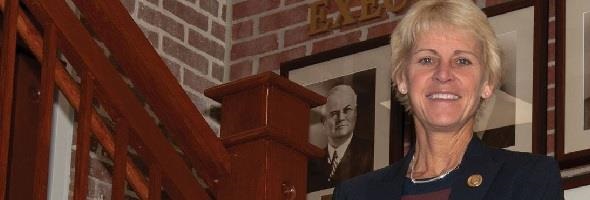
Dr. Karissa L. Niehoff is in her second year as executive director of the National Federation of State High School Associations (NFHS) in Indianapolis, Indiana. She is the first female to head the national leadership organization for high school athletics and performing arts activities and the sixth full-time executive director of the NFHS, which celebrated its 100th year of service during the 2018-19 school year. She previously was executive director of the Connecticut Association of Schools-Connecticut Interscholastic Athletic Conference for seven years.
This Week In High School Sports: 10/20/21
By
Jon Ross
MHSAA Director of Broadcast Properties
October 20, 2021
This edition reviews last weekend's Lower Peninsula Girls Golf and Boys Tennis Finals, awards Game Balls to high achievers in football and volleyball and presents a "you make the call" scenario in soccer.

The 5-minute program each week includes feature stories from around the state from the MHSAA’s Second Half or network affiliates, along with "Be The Referee," a 60-second look at the fine art of officiating.
"This Week in High School Sports" is powered by MI Student Aid, a part of the Office of Postsecondary Financial Planning located within the Michigan Department of Treasury.
Listen to this week's show by Clicking Here.
Previous editions
Oct. 13: Middle school/junior high cross country Regionals, football playoff selection – Listen
Oct. 6: Upper Peninsula girls tennis champions, football broadcast update – Listen
Sept. 29: Girls swimming & diving "Meet of Champions," Schoolcraft's star kicker – Listen
Sept. 22: Spartan Invitational "elite" races, John U. Bacon's "Let Them Lead" – Listen
Sept. 15: Volleyball powers face off, Tiger Teusink's tennis legacy – Listen
Sept. 8: Fall sports rules changes, Adrian Lenawee Christian inspiration – Listen
Sept. 1: Boys soccer seeding process, Beaver Island athletics – Listen
Aug. 25: Return of Fall sports, “enhanced strength-of-schedule” football playoff format – Listen