

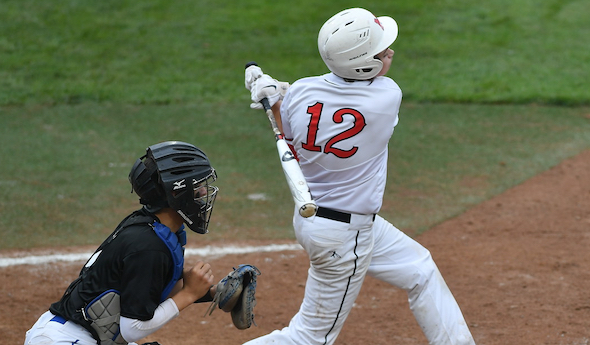
Play it Safe: Basics of Proper Helmet Use
February 4, 2020

Henry Ford Health System
If you or your child plays sports or participates in physically risky activities, wearing a helmet could be lifesaving. While no helmet is concussion-proof, wearing one can help reduce the risk of serious head injuries.
"Helmets are made with materials that help reduce impact to the head, protecting the skull from damage," says Jeffrey Kutcher, M.D., a sports neurologist who treats athletes at the Henry Ford Kutcher Clinic for Concussion and Sports Neurology. "You should be wearing a helmet whether you're playing a contact sport or riding something on a hard surface, such as a bike, scooter, skateboard or rollerblades."
Head Injury Prevention 101: Helmet Buying Basics
All helmets are certified at the same level for multi-use recreational activities. So there's no need to search for a specific seal or rating. Instead, when you're purchasing a helmet — or getting one second-hand — focus on these four factors:
How you’ll use it:
Pay attention to the risks involved with the activity you're doing. If you're biking, skiing or snowboarding, for example, you're wearing a helmet in case you get hit, not because you'll get hit.
There are two types of helmets: single-impact and multiple-impact. Single-impact helmets are made with foam materials that break down when hit as part of their force mitigating strategy. These helmets work well for bicycling, skateboarding, skiing or snowboarding. Multiple-impact helmets, such as those designed for sports like football, hockey and lacrosse, can withstand many hits over an entire season. The materials in these helmets don't break down, but rather compress and regain their original form.
"A helmet may perform better in the lab — for example, the dummy brain will experience 98Gs of force instead of 100Gs — but 2Gs of force probably won't make enough of a difference with a one-time injury," Dr. Kutcher says. "But 2Gs less force per hit for a linebacker who suffers multiple blows on a daily basis for many years? That could make a big difference.”
If football is your sport, the National Football League provides a helmet rating system that assesses helmets based on their ability to mitigate force over time.
How it fits:
Helmets fit differently depending on the make, style and type of sport they’re made for. "The key is making sure the helmet covers the entire skull and doesn't move around when in use," Dr. Kutcher says. The helmet should sit on the head without falling forward or backward. If you're relying only on a chinstrap to keep it in place, you don't have the right fit.
How comfortable it is:
Not all helmet brands fit every head. Helmet designs vary just like running shoes do. When you're shopping for a helmet, make sure it's snug, but not tight or uncomfortable. Comfort is critical, especially for kids. "You don't want a child to develop a negative association with wearing a protective helmet," Dr. Kutcher says.
What condition it’s in:
To get the most protection, your helmet should be in top condition. Do not wear a cracked or broken helmet, or one that has been involved in a crash or similar event (unless it's a multiple-impact design). An impact can crush foam materials. And don't allow the helmet to get too hot or cold — that can cause the materials to break down over time.
Get the Best Helmet Fit for Your Head
Properly wearing a helmet provides the greatest defense against injury — more than any style or brand. To make sure your helmet is secure, follow these rules:
· Measure head circumference: Every helmet brand provides a size chart, along with instructions about how to select the best fit. To get the best measurement, use a cloth tape to measure your head circumference. Place the tape about an inch above the eyebrows, keeping it level from front to back. If the measurement falls between sizes, select the smaller size.
· Pay attention to hairstyles: Make sure to try the helmet on with the hairstyle you'll have during the activity. A long-haired bike rider who gets a short haircut may require a helmet adjustment.
· Watch your vision: The helmet should not block your vision. You should be able to see straight ahead and side to side.
To Wear a Helmet or Not To Wear a Helmet: When to Play It Safe
There are several sports that don't require wearing a helmet. But if you or your child is involved in rugby or soccer, or another sport where helmets are optional, that doesn’t mean you're in the clear.
"It's important to base any decision about whether or not to wear a helmet in conjunction with your sports neurologist," notes Dr. Kutcher. "Your past medical history and current health status may still warrant the use of a helmet."
Unsure whether you're at risk of sustaining a head injury? Get a brain health baseline evaluation. Proper consideration of your brain health includes a physical examination, along with a personal and family medical and neurological history. It also offers you an opportunity to learn how to best protect your head.
Related Topic: 7 Tips for Recovering Mentally After a Sports Injury
Dr. Jeffrey Kutcher is a sports neurologist at the Henry Ford Concussion and Sports Neurology Clinic and the global director of the Kutcher Clinic.
Want to learn more? Henry Ford Health System sports medicine experts are treating the whole athlete, in a whole new way. From nutrition to neurology, and from injury prevention to treatment of sports-related conditions, they can give your athlete a unique game plan.
Visit henryford.com/sports or call (313) 972-4216 for an appointment within 24 business hours.
This Week In High School Sports: 11/15/19
November 12, 2019
This week’s show features Reading lineman Nick Affholter as the Rangers prepare for this weekend's game against Adrian Lenawee Christian, awards Game Balls to Allen Park running back Nico Tiberia and the Jackson Northwest volleyball team, discusses sideline safety for coaches and officials and explains the impact a coach can have as the leader and best example of good sportsmanship for an athletic program.
The 5-minute program, powered by MI Student Aid, leads off each week with feature stories from around the state from the MHSAA’s Second Half or network affiliates. "Be The Referee," a 60-second look at the fine art of officiating, comes in the middle of the show and is followed by a closing MHSAA "Perspective."
Listen to this week's show by Clicking Here.
Past editions
Nov. 8: Lower Peninsula Cross Country and Boys Soccer Finals highlights - Listen
Nov. 1: Muskegon Orchard View football, bolstered MHSAA broadcast schedule - Listen
Oct. 25: Grand Rapids NorthPointe Christian girls golf, MHSAA Football Playoff selection - Listen
Oct. 18: Mendon volleyball's title drive, recognition for longtime announcer Erik O. Furseth - Listen
Oct. 11: Negaunee cross country's Emily Paupore, MHSAA mental health awareness efforts - Listen
Oct. 4: South Lyon soccer's Josh Mason, improving youth football - Listen
Sept: 27: Utica Eisenhower golfer Ariel Chang, adult fan behavior - Listen
Sept: 20: Pinckney football inspiration, decisions made at the local level - Listen
Sept. 13: Muskegon's offensive line, soccer substitution rule change - Listen
Sept. 6: Jenison girls golf's inspiration, new football practice contact restrictions - Listen
Aug. 30: St. Johns quarterback-now-coach Andy Schmitt, benefits of a multi-sport experience - Listen