

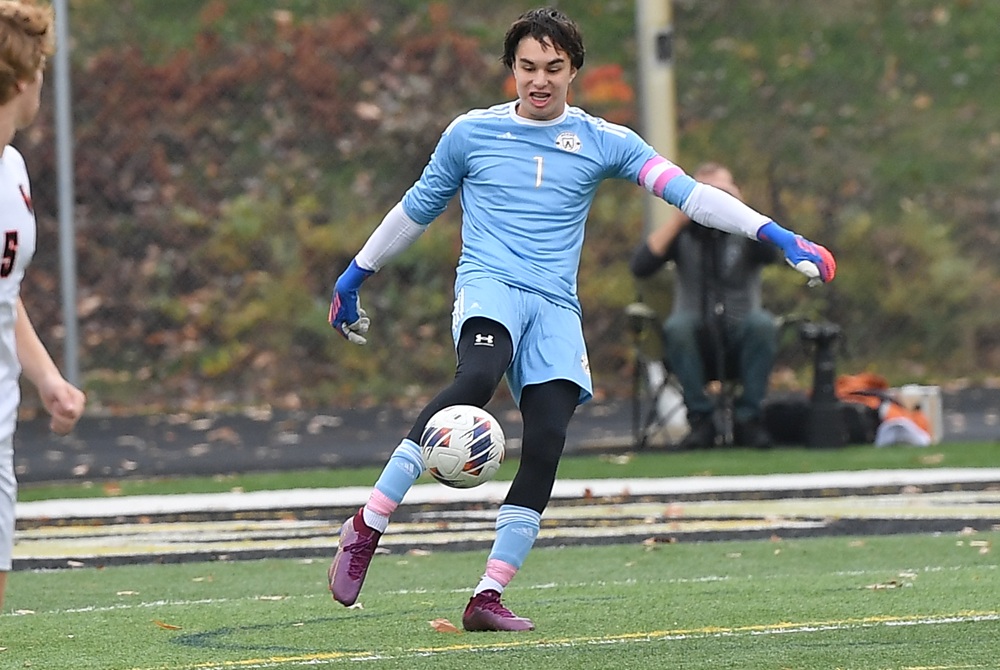
Be the Referee: Soccer Changes
By
Paige Winne
MHSAA Director of Brand Management
September 22, 2026
Be The Referee is a series of short messages designed to help educate people on the rules of different sports, to help them better understand the art of officiating, and to recruit officials.
Below is this week's segment – Soccer Changes - Listen
New this year in high school soccer, goalkeepers will have more time available to them before having to release the ball.
Now – once a keeper establishes possession of the ball – they will have eight seconds before having to play the ball. Previously, keepers had six seconds before having to release it.
The penalty for failing to release the ball in time is also changing.
A goalkeeper who is whistled for hanging on to the ball for longer than eight seconds will now see the opponent awarded a corner kick. The old rule awarded an indirect free kick.
So remember – starting this year – keepers get up to eight seconds before having to release the ball, and failure to do so will result in a corner kick for the opposing team.
Previous 2026-27 editions
Sept: 15: Dead Ball Penalty - Listen
Sept. 8: Libero Ejected - Listen
Sept. 1: Soccer Foul After Shot on Goal - Listen
Aug. 25: Fumble Out of Bounds - Listen
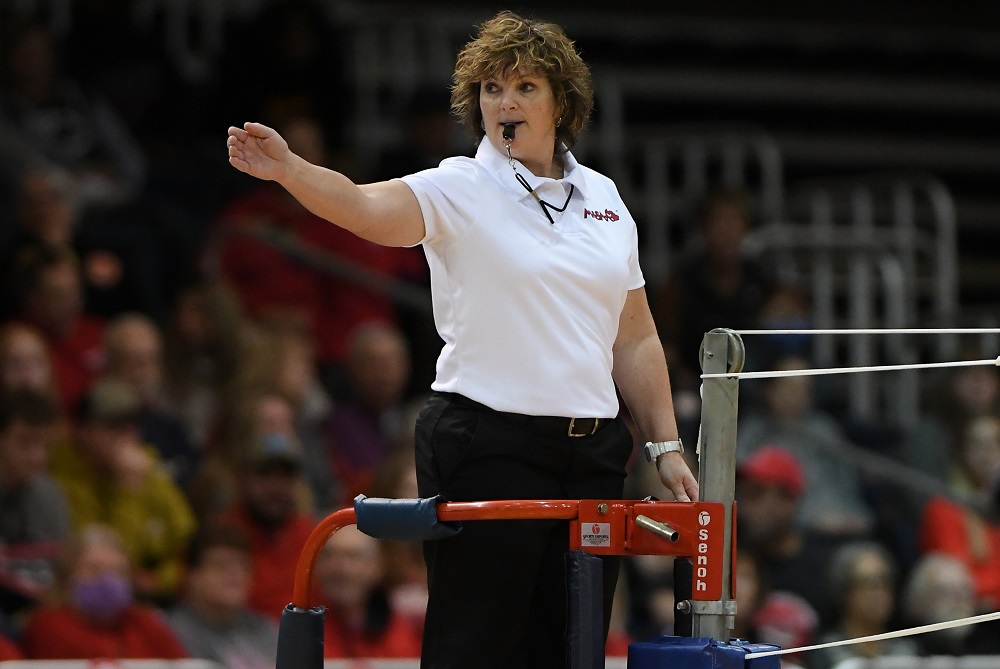
Be the Referee: Switching Sides
By
Sam Davis
MHSAA Director of Officials
September 6, 2022
Be The Referee is a series of short messages designed to help educate people on the rules of different sports, to help them better understand the art of officiating, and to recruit officials.
Below is this week's segment – Switching Sides - Listen
In volleyball, a rules modification that came about during COVID has been instated as a permanent change - with overwhelming support from coaches and officials.
Previously, teams would switch sides after each set, sometimes creating a traffic jam as players and coaches move benches from side to side. Unless there is a clear competitive advantage, there is no switching now. Coaches like having a dedicated home bench and the improved pace of the match.
Things that would necessitate teams switching would be less serving room on one end of the court, a window on one side with the sun shining in, or an overhead obstruction on one end.
It’s up to the official to determine if an advantage exists and if teams will switch at the end of each set – or stay on the same side for the entirety of the match.
Previous Editions:
Aug. 30: Play Clock - Listen
Aug. 23: Intentional Grounding Change - Listen